BPF Online Blog

FREE UK carriage on orders over £250 nett      No minimum order value      Trade discounts       Order FREE samples online       Last cut off for overnight: 3pm

A Complete Guide to Workplace Hygiene Screens

Workplace hygiene screens provide a practical way to create physical separation between people in offices, reception areas, retail environments, service...
Read More

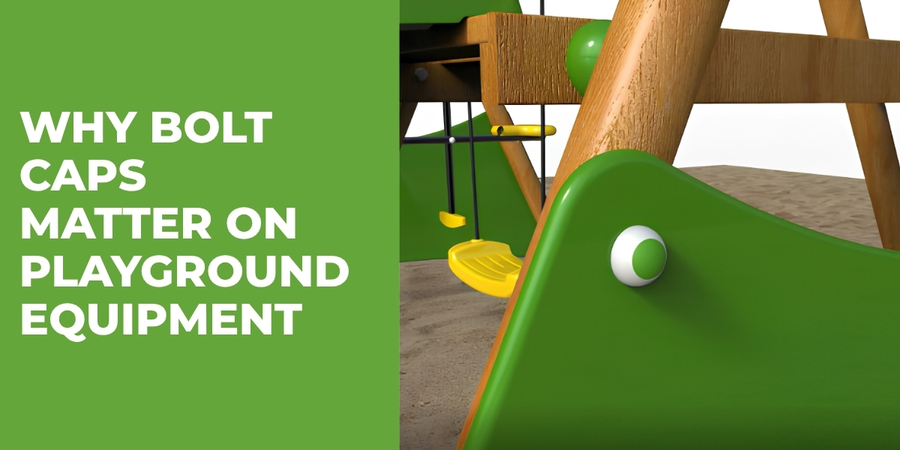
Why Bolt Caps Matter on Playground Equipment

When manufacturers and installers build playground equipment, they need to consider every component, right down to the smallest fixing. Bolts,...
Read More
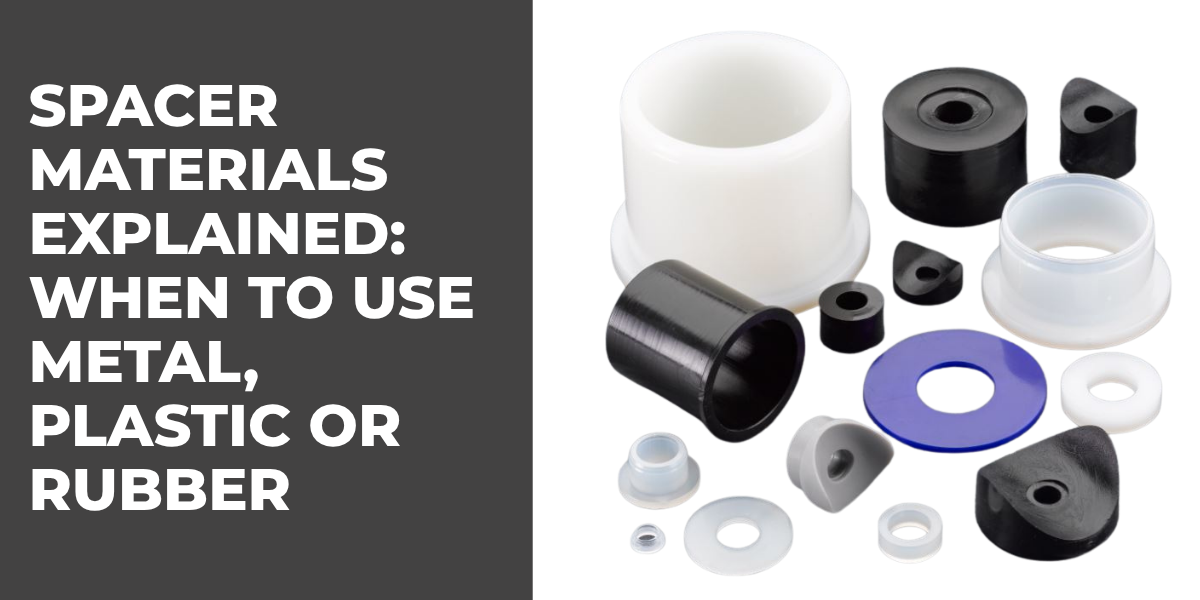
Spacer Materials Explained: When to Use Metal, Plastic or Rubber Spacers

Spacers may look like simple components, but the material you choose can greatly affect how an assembly performs. A spacer...
Read More
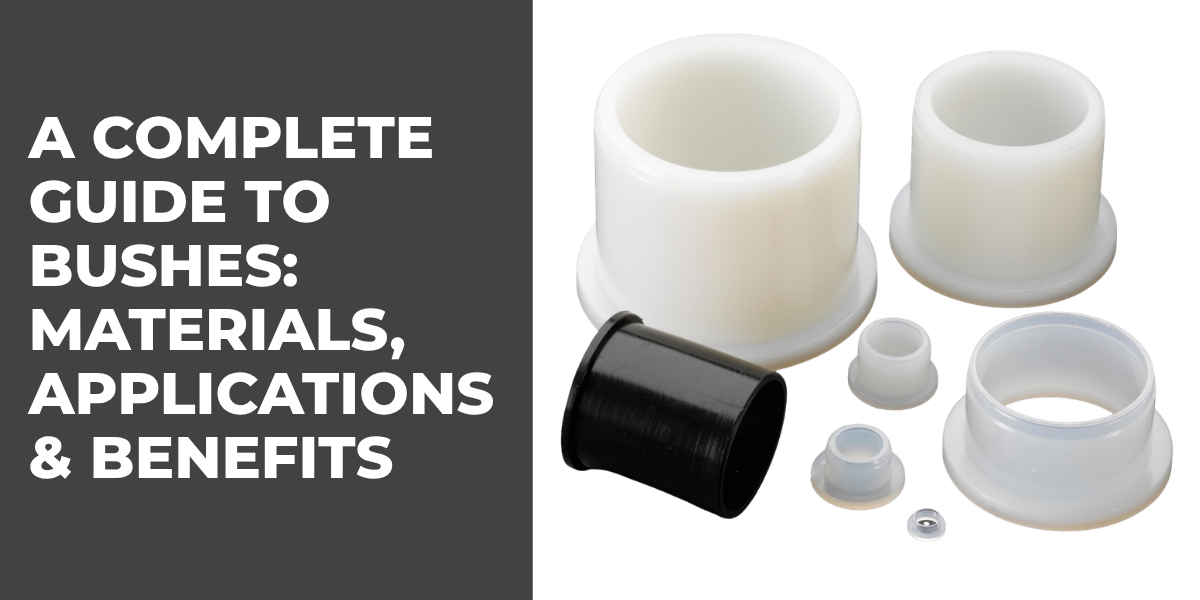
A Complete Guide to Bushes: Materials, Applications & Benefits

Bushes play an important role in mechanical assemblies, helping manufacturers manage movement, reduce friction, protect components and maintain accurate spacing....
Read More
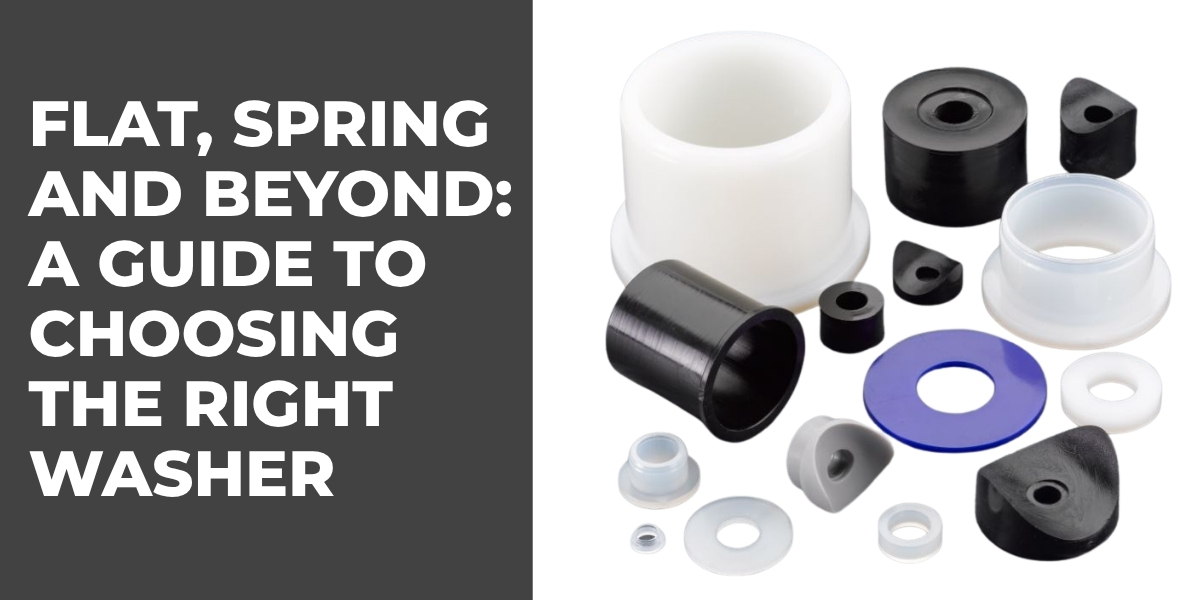
Flat, Spring and Beyond: A Guide to Choosing the Right Washer

Washers are small but essential components used in countless mechanical and industrial assemblies. While a standard flat washer may look...
Read More
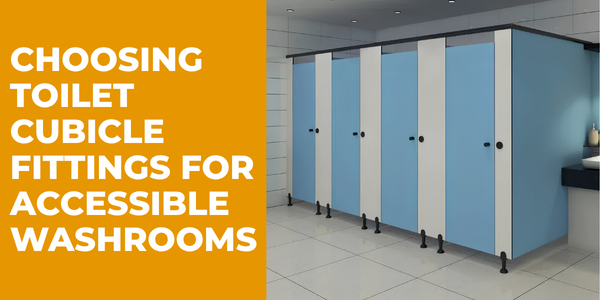
The Importance of Accessibility-Compliant Cubicle Hardware

Choosing Toilet Cubicle Fittings for Accessible Commercial Washrooms Accessibility is an increasingly important consideration when designing commercial washrooms. For architects,...
Read More
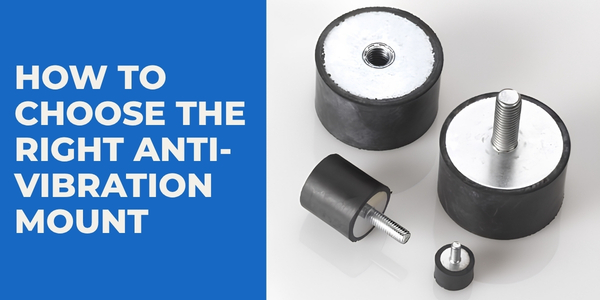
How to Choose the Right Anti-Vibration Mount

Choosing the right anti-vibration mount isn't simply a case of finding a mount that fits. The correct solution needs to...
Read More
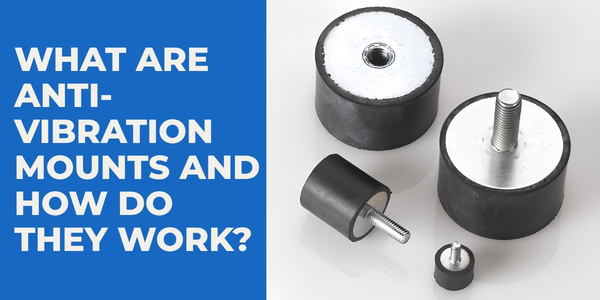
What Are Anti-Vibration Mounts and How Do They Work?

Vibration is an unavoidable part of many mechanical and industrial applications. Motors, pumps, compressors, generators and other machinery naturally move...
Read More
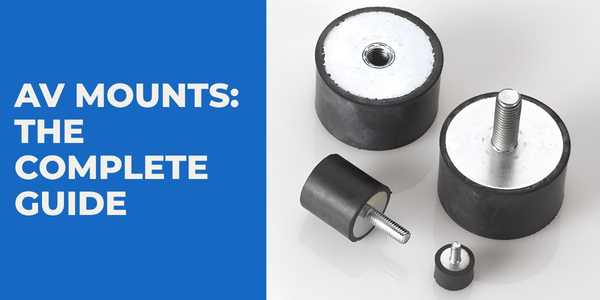
AV Mounts: The Complete Guide

Vibration can be an unavoidable part of operating machinery, equipment and mechanical systems. While some movement is perfectly normal, excessive...
Read More
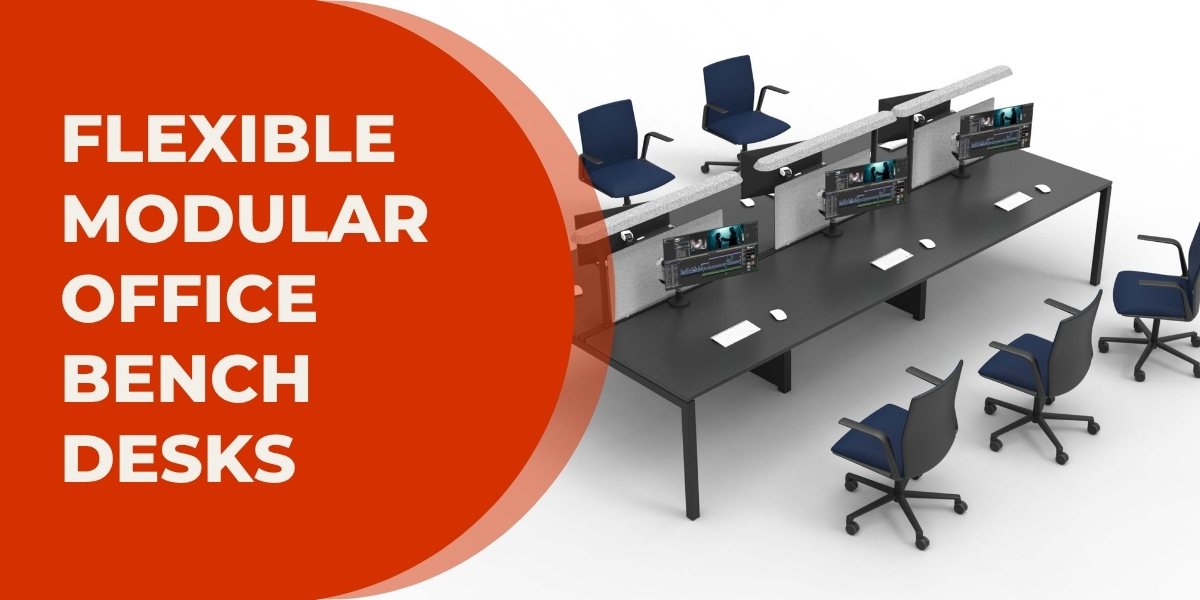
X3 Bench Desk: Flexible Modular Office Desks for Every Workspace

A bench desk is one of the most efficient ways to maximise office space while creating a collaborative working environment....
Read More

How to measure and fit a handrail for office safety

There are three parts to finding and fitting a handrail to make your office stairway safe.

You’ll need:

  • the brackets to fix the handrail to the wall
  • the handrail itself
  • AND the threaded tube inserts to stop clothing getting caught on the handrail.

All commercial buildings are required to have handrails in stairwells beside access steps, and the handrails should be specific heights and lengths to comply with legislation.

If you’re trying to find a handrail for use within a commercial building, you’ll want a robust, cost-effective handrail that’s quick to fit and easy to keep clean.

Regulations governing handrail placement for office safety

The main regulations that stipulate handrail requirements for office safety are Building Regulations 2010, Document M and The Building Regulations 2010, Document K.

Building Regulations 2010, Document M states that access to buildings other than dwellings should include a handrail which fulfils the following requirements wherever there are steps.

Section 1.34 says people with a physical disability need the help of a handrail that can be gripped easily, is comfortable to touch and, in an ideal world, provides good forearm support.

According to section 1.35, handrails should be set at a height convenient for all users of the building and should safely extend beyond the top and bottom of a flight of steps or a ramp to give stability and warning of the presence of a change in level. In schools, a second handrail should be considered for children or ‘people of short stature’.

The Building Regulations 2010, Document K provides guidance for non-domestic properties in the protection from falling, collision and impact.

Section 1.36B states that continuous handrails should be provided along the flights and landings of a ramped or stepped flight and that the handrail should contrast visually with the background against which it is seen (d).

Our handrail and balustrade brackets are perfect to attach handrails to any stairwell or entryway of a commercial building. They project appropriately for users of the handrail to get a good grip and come in a silver or black finish so you can choose which colour would best stand out. They can be fitted to a wall with just three screws and raw plugs, making them quick and easy to fit, adjust and replace.

Positioning your handrail to ensure it’s legally compliant

So, what does the government have to say about how you should you position these handrails to ensure they meet regulatory requirements?

  1. Your handrail should be positioned between 900mm and 1100mm at the bottom of the staircase.
  2. There should be at least a 300mm length of handrail before the nosing of the first step.
  3. The ascending handrail should be positioned 900mm from the middle of the going on each step.
  4. There should be a further 300mm handrail length before the handrail terminates once the landing is reached.
  5. The handrail should be positioned at a height of 1000mm at the top of the stairs on the landing or platform.
  6. If the handrail height can be matched to the required guarding, you can use the handrail to form the actual guarding on the stairwell.

Other practical points to consider when designing or installing a handrail to make your office safer include ensuring that handrails do not project onto an access route and ensuring that the design of the end of the handrail is carefully considered to avoid it catching loose clothing. Some stairwells tend to have a downward section to avoid clothing getting caught.

Our handrail and balustrade brackets are perfect to make ramps more accessible and compliant with Building Regulations 2010, section 2.11 as well as being suitable for regulatory compliant guarding at the top of stairs, ramps or platforms. Please refer to the Building Regulations 2010 for more details on the legal requirements for the design and installation of guarding.

Once you’ve chosen your office stairway handrail brackets, you need to choose tubing to make the actual handrail. We’ve produced a handy Tube and Wire Fittings buying guide to help you measure the handrail and get the correct dimensions for a perfect, regulatory-compliant handrail to make your office stairway safe for all those who use it.

If you have any questions about your handrail requirements, chat with a BPF Online product advisor through our website.