Bushes play an important role in mechanical assemblies, helping manufacturers manage movement, reduce friction, protect components and maintain accurate spacing. You can find bushes across a wide range of applications, from furniture and electrical equipment to machinery, automotive components and industrial assemblies. Also known as bushings, sleeve bushes or plain bearings depending on their design and application, bushes come in many shapes, sizes and materials. Choosing the right type can improve the performance, reliability and service life of an assembly.
In this guide, we explain what bushes do, explore the most common types and materials, and look at how to choose the right bush for your application.
What Is a Bush?
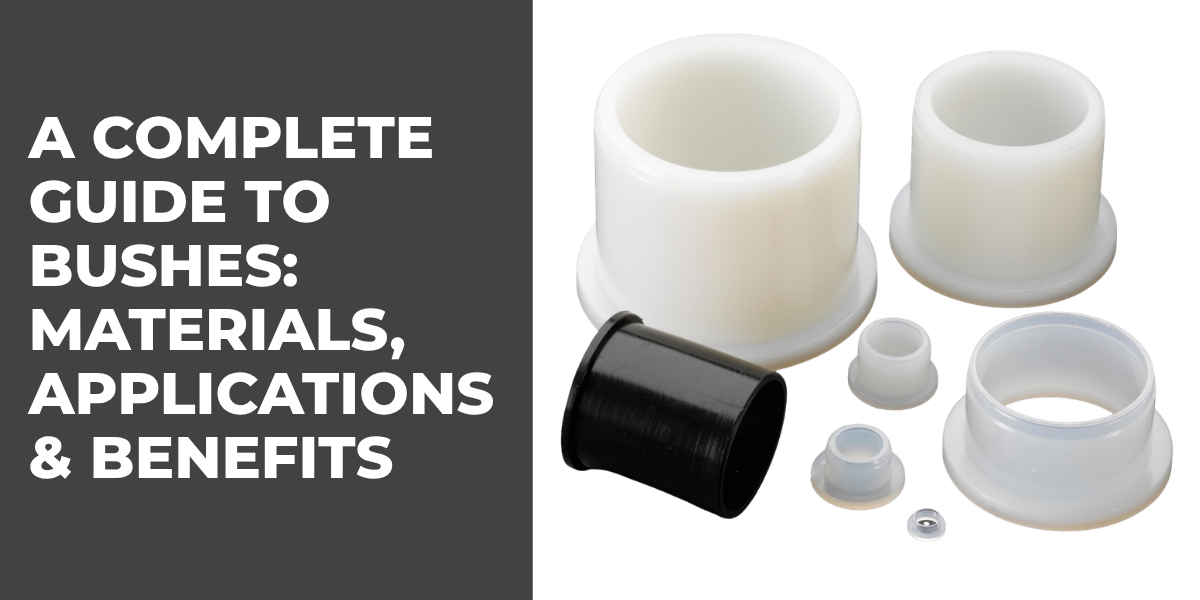
A bush is a component that typically fits between two parts to create a controlled interface between them. Many bushes have a cylindrical shape with a central hole, allowing a shaft, bolt or other component to pass through. Depending on the design, a bush can provide several functions. It can create a fixed amount of space between components, reduce friction between moving parts, protect surrounding materials or electrically isolate one component from another. Manufacturers use bushes in both fixed and moving assemblies. Some simply provide spacing or alignment, while others act as plain bearings, allowing components to rotate or move while reducing friction and wear.
What Does a Bush Do?
The exact function of a bush depends on its design and the application, but common uses include:
- Reducing friction between moving components
- Controlling wear between shafts and housings
- Maintaining a precise gap between components
- Aligning shafts, bolts and other components
- Protecting surrounding materials from damage
- Providing electrical insulation
- Reducing vibration and noise
- Supporting rotational or sliding movement
- Preventing direct metal-to-metal contact
By selecting the correct bush for an assembly, you can improve component movement and reduce unnecessary wear on more expensive parts.
Manufacturers produce bushes in a wide range of designs to suit different mechanical and industrial requirements.
Plain Bushes
Plain bushes provide a simple bearing or spacing solution. Their cylindrical design allows a shaft, pin or fastener to pass through the centre while the bush separates it from the surrounding component. You can use them to reduce friction, protect components and control movement. Depending on the material and application, they can work particularly well in low-maintenance mechanical assemblies.
Flanged Bushes
Flanged bushes feature an extended flange at one end of the bush. The flange provides a larger contact area and prevents the bush from passing completely through the mounting hole. This makes flanged bushes useful when you need to control the position of the bush within an assembly. You can use them for spacing, alignment, bearing applications and component protection.
Sleeve Bushes
Sleeve bushes, sometimes simply called sleeve bearings, have a cylindrical design that fits around a shaft, pin or fastener. They create a layer between the moving or contacting components, helping to reduce friction and wear. You can find sleeve bushes in machinery, mechanisms, hinges and other applications where one component moves inside or around another.
Spacer Bushes
Spacer bushes primarily maintain a specific distance between two components. They can help prevent parts from moving too close together and maintain the correct geometry within an assembly. Manufacturers often use spacer bushes in furniture, framework, machinery and general engineering applications where accurate spacing matters.
Reducing Bushes
Reducing bushes allow you to accommodate a difference between the size of a mounting hole and the component passing through it. For example, a reducing bush can allow a smaller shaft, bolt or fastener to fit securely into a larger opening. This makes reducing bushes useful for adapting existing components without replacing the surrounding part.
Insulating Bushes
Insulating bushes provide electrical isolation between components. Manufacturers commonly produce them from plastics such as nylon because these materials do not conduct electricity. You can use insulating bushes to prevent a bolt, screw, shaft or other conductive component from making direct electrical contact with a panel or housing. They also provide a useful layer of protection against surface damage and direct contact between different materials.
Bush Materials
The material you choose can significantly affect how a bush performs. Different materials offer different levels of strength, wear resistance, friction, electrical insulation and environmental resistance.
Nylon Bushes
Nylon is a popular material because it combines strength, low weight, good wear resistance and electrical insulation. These bushes work well across many general engineering, furniture, electrical and industrial applications. They can also reduce metal-to-metal contact and provide a protective barrier between components.
Plastic Bushes
Plastic bushes offer a lightweight and versatile solution for spacing, insulation, alignment and general mechanical applications. Depending on the type of plastic, manufacturers can provide bushes with different levels of wear resistance, temperature resistance, chemical resistance and mechanical strength. Plastic bushes can also protect finished surfaces from scratching or marking, making them particularly useful where you want to avoid direct contact between metal components.
Rubber Bushes
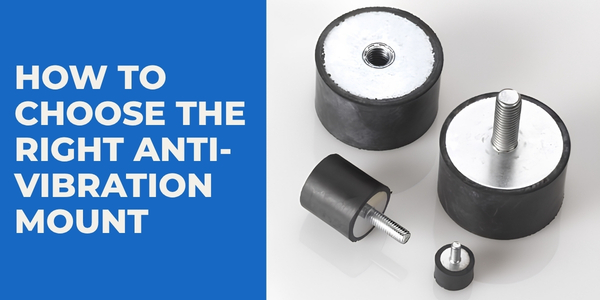
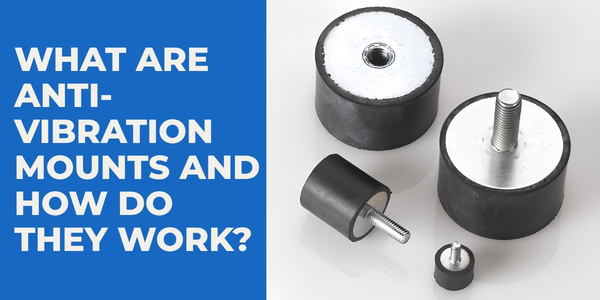
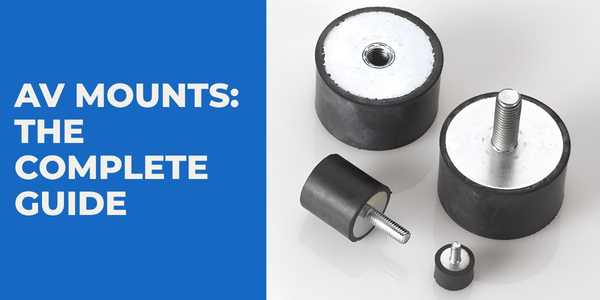
Rubber bushes provide additional flexibility compared with rigid plastic or metal ones. They can absorb vibration, reduce noise and isolate components from shocks and movement. This makes rubber bushes and rubber bushings particularly useful in applications where vibration isolation or cushioning plays an important role.
Metal Bushes
Metal bushes provide high strength and can withstand demanding mechanical loads. Manufacturers can produce them from materials such as steel, stainless steel, bronze or brass, depending on the requirements of the application. These components can work well in high-load mechanical assemblies, bearing applications and environments where a rigid and durable solution is required.
Where Do You Use Bushes?
Bushes have applications across almost every area of manufacturing and engineering.
Furniture
Furniture manufacturers use plastic and nylon bushes for spacing, alignment, pivoting and component protection. They can help create smooth movement while preventing damage between components.
Engineering and Manufacturing
Engineers use bushes throughout machinery and manufactured assemblies to control movement, reduce wear and maintain accurate positioning. They can also simplify assembly by providing a consistent interface between components.
Electrical and Electronic Equipment
Plastic and nylon insulating bushes help manufacturers isolate conductive components from panels, housings and other electrical parts. They can also protect cables, wires and fasteners from sharp edges and prevent unwanted contact.
Automotive Applications
Automotive manufacturers use these components in a wide range of mechanical systems. Depending on their design, they can reduce vibration, support movement, provide spacing or reduce wear between components. Rubber and elastomeric bushes are particularly useful where manufacturers need to isolate vibration and noise.
Machinery and Industrial Equipment
Industrial machinery often uses bushes to support moving components, maintain alignment and reduce wear. Selecting a suitable material becomes particularly important in these environments because factors such as load, temperature, speed, chemicals and continuous movement can all affect bush performance.
What Is the Difference Between a Bush and a Bearing?
People often use the terms bush and bearing interchangeably, but they can describe different types of components. A bush can act as a type of plain bearing, particularly when it supports a rotating or sliding shaft without using rolling elements. Traditional ball and roller bearings use rolling elements to reduce friction, whereas a plain bush creates a sliding interface between the contacting components. The best choice depends on the application. A bush can provide a simple, compact and cost-effective solution where the application does not require a rolling-element bearing.
How to Choose the Right Bush
Before selecting a bush, consider how you need it to perform and the environment in which you will use it.
Key factors include:
- Internal diameter: Make sure the bush accommodates the shaft, bolt or fastener correctly.
- Outside diameter: Check that the bush fits securely into the mounting hole or surrounding component.
- Length: Select a length that provides the required spacing or bearing surface.
- Material: Choose a material that can withstand the application’s mechanical and environmental conditions.
- Load: Consider the weight or force that the bush needs to support.
- Movement: Determine whether the application involves rotation, sliding, vibration or no movement.
- Temperature: Check that the bush material can withstand the operating temperature.
- Chemical exposure: Consider resistance to oils, solvents, cleaning products or other chemicals where relevant.
- Electrical requirements: Use an insulating material such as nylon or plastic when electrical isolation matters.
- Wear and friction: Select a suitable material and design if the bush will experience continuous movement.
Getting these factors right can help you avoid premature wear, poor alignment and unnecessary maintenance.
Bushes vs Spacers: What’s the Difference?
Bushes and spacers can look very similar, and manufacturers sometimes use the terms interchangeably. However, they usually perform different primary functions. A spacer generally maintains a fixed distance between two components. It keeps parts separated and helps maintain the correct dimensions within an assembly. A bush can also provide spacing, but it often performs additional functions such as reducing friction, supporting movement, protecting components or providing electrical insulation. Some components can therefore act as both a spacer and a bush, depending on how you use them.
Why Do Bushes Matter?
A relatively small bush can protect larger and more expensive components from unnecessary wear and damage.
The right bush can help you:
- Reduce friction
- Extend component life
- Improve alignment
- Control movement
- Reduce vibration and noise
- Prevent surface damage
- Provide electrical insulation
- Simplify assembly
- Reduce maintenance requirements
Choosing the correct bush also allows you to design an assembly around the specific requirements of the application rather than relying on direct contact between components.
Find the Right Bush for Your Application
Bushes may look like simple components, but they perform a wide range of important functions across engineering, manufacturing, furniture, electrical and industrial applications. Whether you need a nylon bush for electrical insulation, a plastic bush for spacing and alignment, a flanged bush for positioning, a spacer bush for maintaining a fixed gap or a rubber bush for vibration isolation, selecting the right design and material can make a significant difference to the finished assembly.
At BPF, we supply a range of bushes, bushings, spacers and associated components in different sizes and materials to suit a variety of applications. If you know the dimensions and function you require, you can select a bush to provide the right combination of fit, durability and performance or contact our team for advice on selecting a suitable solution for your application.


 FREE UK carriage on orders over £250 nett
 No minimum order value
 Trade discounts
 Order FREE samples online
 Last cut off for overnight: 3pm