Vibration can be an unavoidable part of operating machinery, equipment and mechanical systems. While some movement is perfectly normal, excessive vibration can create noise, affect stability, accelerate component wear and transfer unwanted movement into surrounding structures. AV mounts provide a practical way to isolate and reduce these unwanted vibrations. But with different sizes, thread configurations, rubber compounds and load capacities available, choosing the right mount for an application isn’t always straightforward.
In this complete guide, we’ll explain what anti-vibration mounts are, how they work, where they’re used and the key factors to consider when selecting one.
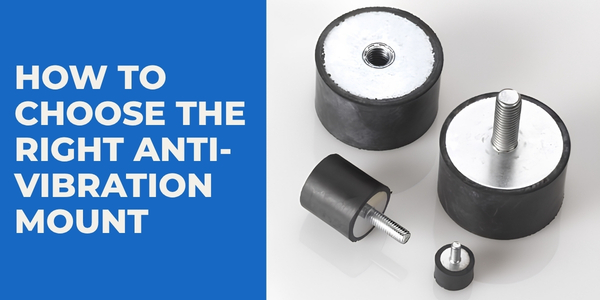
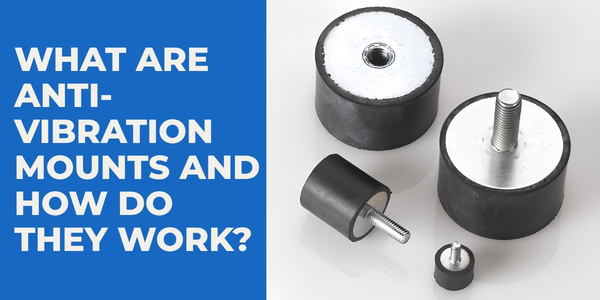
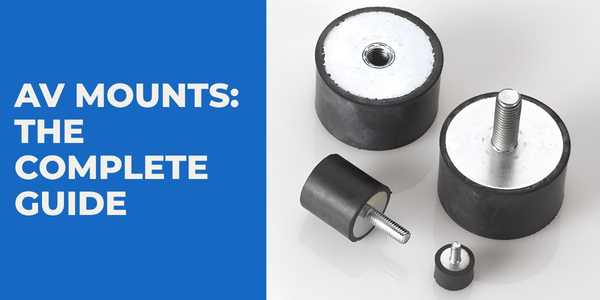
Anti-vibration mounts, also known as AV mounts, vibration isolation mounts or anti-vibration machine mounts, are components designed to reduce the transmission of vibration between equipment and its supporting structure. They typically combine a rubber or elastomeric element with metal threaded components. The rubber provides flexibility and damping, while the metal components provide the strength and connection required to secure the equipment.
By creating a flexible barrier between machinery and its supporting surface, AV mounts can help reduce the amount of vibration transferred into floors, frames, workbenches and other structures. They are available in a range of configurations to suit different applications, including male-threaded, female-threaded, and male-and-female combination anti-vibration mounts.
When machinery operates, it generates mechanical energy that creates vibration. Without isolation, the machine can transfer this energy directly into its frame, floor or supporting structure. An AV mount creates a flexible, resilient barrier between the machine and its supporting surface. As the equipment moves, the rubber element flexes to absorb and dissipate some of the vibrational energy. This reduces the amount of vibration transferred to the surrounding structure. Think of an anti-vibration mount as a buffer between the machine and the surface beneath it. The mount must support the equipment securely while providing enough flexibility to isolate unwanted vibration. The correct balance between load capacity and flexibility is therefore essential when selecting an AV mount.
Why Is Vibration Isolation Important?
Uncontrolled vibration can cause more than just annoying noise.
Depending on the application, excessive vibration can:
- Increase noise levels
- Cause machinery to move or become unstable
- Loosen fixings and connections
- Accelerate wear on mechanical components
- Reduce equipment service life
- Transfer vibration into floors, frames and structures
- Affect the operation of sensitive equipment
- Increase maintenance requirements
By isolating vibration at the mounting point, AV mounts can help protect both the equipment and the structure supporting it.
What Are Anti-Vibration Mounts Used For?
AV mounts have applications across manufacturing, engineering, construction and equipment assembly.
Industrial Machinery
Manufacturing machinery can generate considerable vibration during operation. AV mounts can help isolate equipment from its supporting frame or floor while maintaining stability.
Motors & Engines
Moving and rotating components naturally generate vibration. AV mounts can help reduce the transmission of this movement into surrounding equipment.
Pumps & Compressors
Pumps and compressors can generate continuous vibration during operation. Suitable mounts can help isolate this vibration from supporting structures and equipment.
Generators
Generators produce vibration as their internal components operate. Anti-vibration mounts can help reduce the transmission of this movement while providing a secure mounting solution.
HVAC & Ventilation Equipment
Fans, ventilation systems and air conditioning equipment can all generate unwanted vibration. Mounting these systems on suitable isolation mounts can help reduce the transfer of vibration through building structures.
Equipment Frames & Enclosures
AV mounts can also secure equipment to frames, cabinets, panels and other structures while providing vibration isolation between the two surfaces.
Types of Anti-Vibration Mounts
Different applications require different mounting configurations. Understanding the main types can help you identify the right option for your equipment.
Male Threaded Anti-Vibration Mounts
Male threaded AV mounts feature one or more threaded studs that project from the rubber body. The threaded stud allows the mount to connect directly to a suitable threaded hole, nut or fixing point.
Female Threaded Anti-Vibration Mounts
Female threaded mounts feature an internal thread within the metal component. This allows a suitable bolt or threaded fixing to connect the equipment to the mount.
Male & Female Combination Thread Mounts
Combination thread anti-vibration mounts feature a male thread on one side and a female thread on the other. This configuration can provide additional flexibility when connecting machinery to frames or other supporting structures.
What Materials Are Used in AV Mounts?
The material used for the flexible element plays an important role in the performance of an anti-vibration mount.
Rubber is commonly used because it provides a combination of flexibility, resilience and vibration damping.
Different rubber compounds can offer different levels of resistance to factors such as:
- Temperature
- Moisture
- Oils and chemicals
- Weathering
- General environmental exposure
The best material depends on the environment in which the mount will operate. For example, a mount used inside a clean, dry workshop may have different requirements from one exposed to oils, chemicals, outdoor conditions or extreme temperatures.
Understanding Rubber Hardness
One of the most important characteristics to consider when selecting an anti-vibration mount is rubber hardness. Manufacturers commonly specify rubber hardness using a Shore rating. The hardness affects how easily the rubber deforms under load.
A softer rubber compound generally allows greater movement and can provide different vibration isolation characteristics, while a harder compound offers greater resistance to compression and movement. However, softer doesn’t automatically mean better. The mount needs to support the equipment while providing the appropriate level of isolation. Selecting a mount that is too soft or too hard for the application can affect its performance.
How Much Weight Can an AV Mount Support?
Load capacity is another critical consideration. You need to establish the total weight of the equipment and how that weight will be distributed across the mounts. For example, if a 200 kg machine sits on four mounts, the theoretical static load is 50 kg per mount. However, the load may not distribute perfectly evenly, particularly if the equipment’s centre of gravity isn’t central. For this reason, you should consider the actual mounting arrangement and allow an appropriate safety margin rather than simply dividing the total weight by the number of mounts.
Choosing the Correct Thread Configuration
Before selecting an anti-vibration mount, check the connection required by the equipment and supporting structure.
Consider:
- Male or female thread
- Metric thread size
- Thread length
- Available fixing points
- Required mounting height
- Available installation space
Using the wrong thread configuration can make installation difficult or prevent the mount from being securely fitted.
What Size Anti-Vibration Mount Do I Need?
Anti-vibration mounts come in a range of dimensions to accommodate different equipment and load requirements.
Important dimensions can include:
- Mount diameter
- Overall height
- Thread diameter
- Thread length
- Rubber element dimensions
Don’t select a mount based solely on its thread size. The overall dimensions and available installation space also need to work with the equipment.
How Many Anti-Vibration Mounts Do You Need?
The number of mounts required depends on the size, weight and design of the equipment, as well as its mounting points. Using multiple mounts distributes the equipment’s weight and can provide greater stability. However, the load isn’t always distributed equally between every mounting point. The position of the mounts relative to the equipment’s centre of gravity is therefore important. For larger or more complex machinery, manufacturers’ recommendations should always be considered when determining the appropriate mounting arrangement.
AV Mounts vs Rubber Feet
Although they can look similar, anti-vibration mounts and rubber feet serve different purposes. Rubber feet primarily provide support, protection and grip between equipment and a surface. They can also provide some degree of vibration reduction. AV mounts, on the other hand, are specifically designed to provide vibration isolation and often incorporate threaded connections for securely mounting equipment.
The right choice depends on whether the application primarily requires support and protection or dedicated vibration isolation.
Anti-Vibration Mounts vs Rubber Buffers
Rubber buffers and anti-vibration mounts can both use resilient rubber components, but they aren’t necessarily interchangeable. Rubber buffers typically provide cushioning, impact absorption or controlled stopping, while AV mounts are designed to isolate equipment from continuous or recurring vibration. Understanding the difference can help you select a component that performs the intended function rather than simply choosing a rubber component that fits.
Common Mistakes When Selecting Anti-Vibration Mounts
Choosing an AV mount based solely on its physical size can lead to poor performance.
Some common mistakes include:
Choosing the Mount Based Only on Load
A mount may have sufficient load capacity but still have the wrong characteristics for the vibration being generated.
Ignoring the Thread Configuration
The mount needs to connect securely to both the equipment and supporting structure.
Choosing the Softest Mount Available
More flexibility isn’t always better. The mount still needs to support the equipment and maintain stability.
Forgetting About the Environment
Temperature, moisture, oils, chemicals and outdoor exposure can all affect the suitability and lifespan of a rubber mount.
Not Considering the Mounting Arrangement
The number and position of mounts can influence how the equipment’s weight and vibration are distributed.
How to Choose the Right Anti-Vibration Mount
Before choosing an AV mount, consider the following:
1. Equipment weight
Determine the total weight and approximate load on each mounting point.
2. Vibration characteristics
Consider the type and level of vibration generated by the equipment.
3. Thread configuration
Determine whether you need male, female or combination threads.
4. Dimensions
Check the diameter, height and thread length against the available installation space.
5. Rubber hardness and material
Choose a material and hardness appropriate for the load and operating environment.
6. Environmental conditions
Consider exposure to temperature, moisture, chemicals, oils and other environmental factors.
7. Mounting arrangement
Consider the number and position of mounting points and how the equipment’s weight will be distributed.
For a more detailed look at the selection process, read our guide to How to Choose the Right Anti-Vibration Mount.
Find the Right AV Mount
From industrial machinery and motors to pumps, compressors, generators and equipment frames, anti-vibration mounts can help control unwanted movement, reduce vibration transmission and protect supporting structures. The key is choosing a mount that matches the requirements of your application. Load capacity, thread configuration, dimensions, rubber hardness, material and operating environment can all influence the performance of an anti-vibration mount.
At Banbury Plastic Fittings, we offer a range of anti-vibration mounts in different sizes and thread configurations to suit a variety of applications. Not sure which anti-vibration mount you need? Contact our team for advice on selecting a suitable solution for your application.


 FREE UK carriage on orders over £250 nett
 No minimum order value
 Trade discounts
 Order FREE samples online
 Last cut off for overnight: 3pm