Workplace hygiene screens provide a practical way to create physical separation between people in offices, reception areas, retail environments, service counters and other shared workplaces. From compact desk-mounted acrylic screens to large free-standing partitions, businesses can choose a solution that suits the layout, level of separation and day-to-day requirements of their workspace.
Acrylic hygiene screens, sneeze guards, desk dividers and workplace partitions can all serve slightly different purposes. Understanding the differences between them makes it easier to choose the right screen for your application.
What Is a Workplace Hygiene Screen?
A workplace hygiene screen is a physical barrier designed to separate people or different areas of a workspace. Most commercial hygiene screens use clear acrylic or glass, allowing businesses to maintain visibility and light transmission while introducing a physical division.
You’ll find hygiene screens in many environments, including:
- Offices and open-plan workspaces
- Reception desks
- Retail counters and tills
- Pharmacies
- Customer service areas
- Post offices
- Cashier points
- Salons
- Schools and other shared environments
- Catering and food service areas
Depending on the application, a hygiene screen can sit on a desk or counter, attach to a desktop, stand independently or form part of a larger room partition.
Why Use Hygiene Screens in the Workplace?
A well-positioned screen can create useful separation without completely closing off a workspace. Clear acrylic and glass allow employees and customers to see each other and communicate while the physical barrier helps reduce direct contact and the movement of airborne droplets between people. For businesses, hygiene screens can also provide practical benefits beyond hygiene. They can help define individual workstations, create clearer customer-facing areas, improve privacy and make better use of open-plan spaces. The right screen depends on what you are trying to achieve. A reception desk may need a counter top screen with a pass-through opening, while an open-plan office may benefit from desk dividers or a full-height partition.
What Types of Workplace Hygiene Screens Are Available?
There is no single type of workplace hygiene screen that suits every environment. The most suitable option depends on the location, available space, screen size and whether you need a temporary or more permanent installation.
Desk-Mounted Hygiene Screens
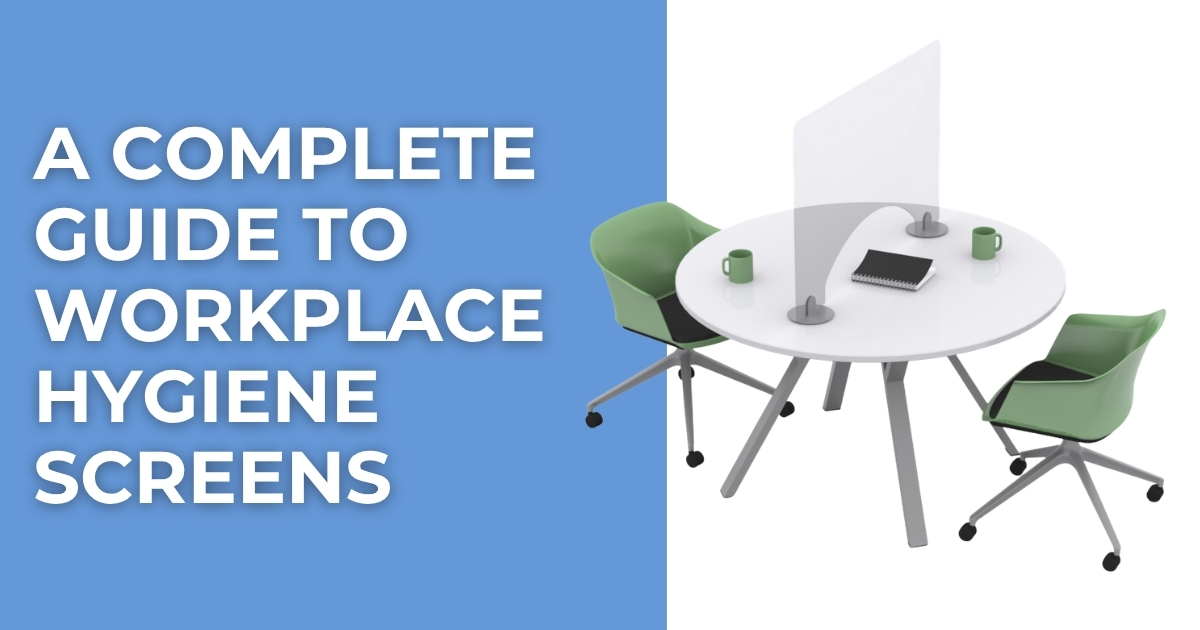
Desk-mounted acrylic screens attach directly to the edge or surface of a desk. They provide separation between neighbouring workstations while taking up relatively little floor space.
Desk screens are particularly useful in:
- Open-plan offices
- Shared workstations
- Reception desks
- Call centres
- Hot-desking environments
- Bench-style workstations
Different mounting brackets are available for different desktop and panel thicknesses. Edge-mount brackets can provide a non-invasive installation without permanently altering the desk, while other mounting systems can suit specific workstation layouts.
Free-Standing Desk Screens
Free-standing desk screens use weighted feet or bases rather than fixing directly to the desktop. This makes them useful when a business wants a screen that can be positioned or repositioned without drilling into the desk. Screen feet are available for different panel thicknesses and can support suitable acrylic or glass panels. When selecting free-standing screen feet, check the maximum panel thickness and recommended screen dimensions before installation.
Counter Top Sneeze Guards
Counter top sneeze guards are designed for customer-facing environments where employees and customers interact across a counter or service point. Free-standing counter screens can be positioned directly on a counter, making them straightforward to install. Some designs also feature pass-through hatches or slots so that paperwork, products and other items can be exchanged without removing the main barrier.
These acrylic screens are commonly used in:
- Shops
- Pharmacies
- Reception areas
- Post offices
- Cashier points
- Customer service counters
- Retail tills
Free-Standing Acrylic Partitions
Larger acrylic partition screens can divide an entire workspace rather than simply separating two people at a desk. Floor-standing partitions can help create defined working areas within larger rooms while retaining visibility and allowing light to pass through. They can work particularly well in open-plan offices, retail spaces, salons and other commercial environments. Some partitions use stabilising feet for a more permanent setup, while mobile versions use castor wheels so businesses can move the screens when the layout needs to change.
Mobile Hygiene Screens
Mobile acrylic partitions provide greater flexibility than fixed floor-standing screens. Castor-mounted screens can be moved around a workspace as requirements change.
For example, a business might use mobile partitions to:
- Divide a large room into temporary work areas
- Create separate customer-facing zones
- Change an office layout
- Create temporary meeting areas
- Separate workstations during busy periods
Braked castors can help keep a mobile partition in position when required.
Acrylic or Glass: Which Is Better for a Hygiene Screen?
Glass and acrylic are both commonly used for workplace screens, but they offer different characteristics. Acrylic is lightweight, versatile and available in a range of thicknesses and finishes. Clear acrylic provides excellent visibility, while opal or frosted options can provide greater visual privacy while still allowing light through. Glass can provide a premium appearance and is suitable for applications where its specific properties are preferred. However, the screen, mounting system and fixing method must all be suitable for the intended application. For free-standing glass screens, always check that the glass has been appropriately tempered where the mounting system applies compression to the panel.
Clear, Frosted or Opal Acrylic?
The best acrylic finish depends on how much visibility and privacy you need.
Clear Acrylic
Clear acrylic provides maximum visibility between people and working areas. It is particularly useful for reception desks, customer service counters and offices where communication remains important.
Frosted or Opal Acrylic
Frosted and opal acrylic provides greater visual separation while still allowing light to pass through. This makes it useful where businesses want more privacy without creating a completely enclosed or dark space. For office partitions, this can help create individual areas while maintaining an open and bright feel.
What Thickness Should an Acrylic Hygiene Screen Be?
Acrylic screens are available in different thicknesses depending on their intended use and mounting method. Thinner acrylic panels can work well for desk and counter screens when supported correctly. Larger panels may require thicker acrylic to provide the necessary rigidity. For example, a 5mm acrylic panel is commonly used for desk-mounted and counter top hygiene screens, while larger partition panels can use thicker acrylic for additional rigidity. The mounting system also matters. Always check the screen thickness range supported by the brackets, feet or fixing system you intend to use.
How Do You Choose the Right Screen Size?
Screen size should reflect the area you want to separate rather than simply choosing the largest available option. For desk screens, consider the position of monitors and other equipment. For counter screens, think about how customers and employees will interact across the counter and whether a pass-through opening is required. Larger screens can provide greater coverage, but they may also require additional support. Always check the manufacturer’s recommended maximum dimensions for the mounting system.
Start by measuring:
- The width of the desk, counter or opening
- The available depth for feet or mounting brackets
- The required screen height
- The thickness of the desk or panel
- Any equipment that needs to sit behind the screen
What Are Pass-Through Counter Screens?
A pass-through counter screen includes an opening near the bottom of the acrylic panel. This allows documents, paperwork, products or other items to move between employees and customers. They are particularly useful where a counter screen needs to provide separation without interfering with normal transactions.
Common applications include:
- Retail tills
- Pharmacy counters
- Reception desks
- Customer service points
- Cashier areas
- Post offices
How Are Desk Screens Mounted?
There are several ways to mount an acrylic desk screen.
Edge-Mount Brackets
Edge-mount brackets clamp onto the back or edge of a desk and hold the screen in position. They can provide a non-invasive installation without drilling through the desktop.
Surface-Mount Brackets
Surface-mount systems attach to the top of the desk or counter and provide a fixed mounting point for the screen.
Free-Standing Feet
Free-standing screen feet allow the panel to sit directly on the desktop without permanent fixing. They are particularly useful when screens need to be repositioned.
Intermediate Brackets
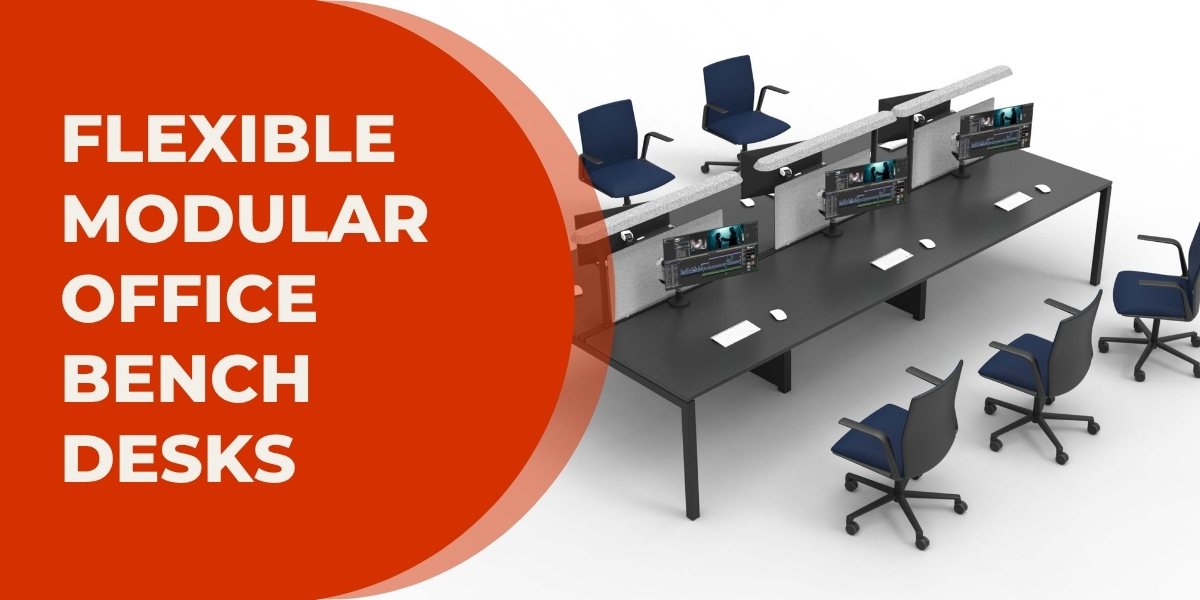
For adjoining bench desks, intermediate brackets can mount a screen between two desk tops. This can provide a neat solution for shared workstation layouts.
When selecting brackets, always check the compatible screen thickness and desktop thickness.
Can Workplace Hygiene Screens Improve Privacy?
Yes. Although clear screens are primarily designed to provide physical separation, the right screen can also contribute to workplace privacy. Frosted or opal acrylic is particularly useful when employees need some visual separation without blocking natural light. Desk screens can also help define individual workstations and create a clearer distinction between neighbouring areas. For greater privacy, businesses can combine desk screens with side panels or larger floor-standing partitions.
How Do You Clean Acrylic Hygiene Screens?
Regular cleaning helps keep acrylic screens clear and presentable. Use a soft, clean cloth and a suitable acrylic-safe cleaning product. Avoid abrasive materials that could scratch the surface.
A good cleaning routine should consider:
- The frequency of use
- The number of people interacting with the screen
- Whether the screen is positioned in a customer-facing area
- The cleaning products being used
- The manufacturer’s cleaning recommendations
Avoid aggressive cleaning methods or unsuitable solvents unless the acrylic manufacturer confirms that they are compatible with the material.
Where Are Workplace Hygiene Screens Used?
The versatility of acrylic screens means they can be used across many different commercial environments.
Offices
Desk screens and partitions can help separate workstations, create defined areas and introduce additional privacy within open-plan offices.
Reception Areas
Counter top hygiene screens can provide separation between reception staff and visitors while maintaining visibility and communication.
Retail
Counter screens can be used around tills, service desks and customer-facing counters.
Pharmacies
Clear counter screens can provide a practical physical division between staff and customers while allowing transactions to continue.
Salons
Floor-standing partitions and acrylic screens can help divide areas without completely blocking visibility or natural light.
Schools and Shared Workspaces
Desk screens and larger partitions can help schools, businesses and organisations adapt shared spaces to changing requirements.
Hygiene Screens vs Office Partitions
Although the terms are sometimes used interchangeably, there is a useful distinction. A hygiene screen is generally focused on creating physical separation between people, particularly at desks, counters or customer-facing points.
An office partition is usually intended to divide a larger space into separate working areas. There can be considerable overlap between the two. A large acrylic partition can provide both space division and physical separation, while a desk screen can provide both hygiene and privacy benefits. The most suitable solution depends on the environment and what you want the screen to achieve.
How to Choose the Right Workplace Hygiene Screen
Before ordering a screen, consider the following:
Where will it be used?
Desk, counter, reception area, retail environment or open-plan workspace?
How much separation do you need?
A small desk screen may be sufficient for neighbouring workstations, while larger areas may require a full-height partition.
Do you need a fixed or mobile solution?
Choose desk-mounted or fixed floor-standing screens for a more permanent installation, or free-standing and castor-mounted options where flexibility is important.
Do you need privacy?
Clear acrylic provides visibility, while frosted or opal acrylic provides greater visual separation.
Will you need to pass items through the screen?
If so, consider a counter screen with a pass-through hatch or slot.
What thickness is your panel?
Make sure your screen feet or mounting brackets are compatible with the acrylic or glass thickness.
What are the dimensions?
Measure the available space carefully and check the maximum recommended screen dimensions for your chosen mounting system.
Workplace Hygiene Screens from BPF
At BPF, we supply a range of acrylic hygiene screens, counter top sneeze guards, desk screens, screen brackets, free-standing screen feet and larger workplace partitions for commercial environments. Our range includes desk-mounted acrylic screens, free-standing counter screens with optional pass-through openings, mobile acrylic partitions and mounting solutions for different screen thicknesses and desktop configurations.
If you cannot find the size or configuration you need, custom options may be available for certain products, subject to minimum order quantities and lead times. Or if you need help identifying the desk screen, contact the BPF team with your fixing dimensions and application requirements.


 FREE UK carriage on orders over £250 nett
 No minimum order value
 Trade discounts
 Order FREE samples online
 Last cut off for overnight: 3pm