BPF Online Blog

FREE UK carriage on orders over £250 nett      No minimum order value      Trade discounts       Order FREE samples online       Last cut off for overnight: 3pm

A Complete Guide to Workplace Hygiene Screens

Workplace hygiene screens provide a practical way to create physical separation between people in offices, reception areas, retail environments, service...
Read More

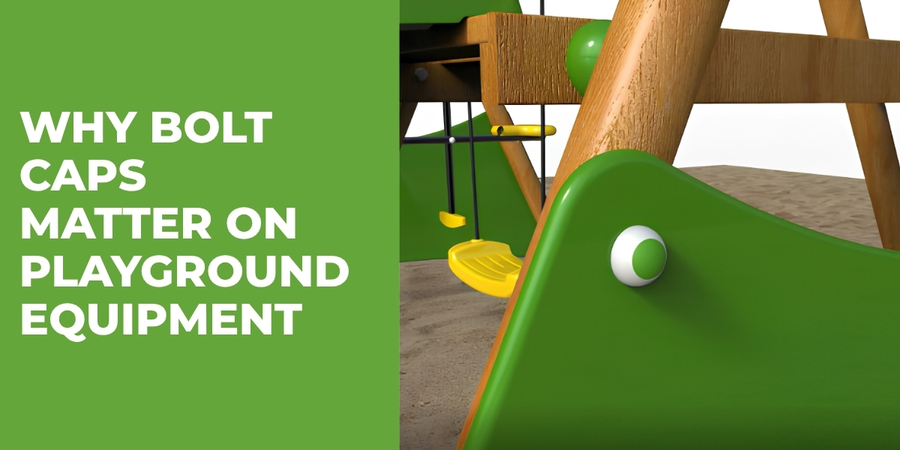
Why Bolt Caps Matter on Playground Equipment

When manufacturers and installers build playground equipment, they need to consider every component, right down to the smallest fixing. Bolts,...
Read More
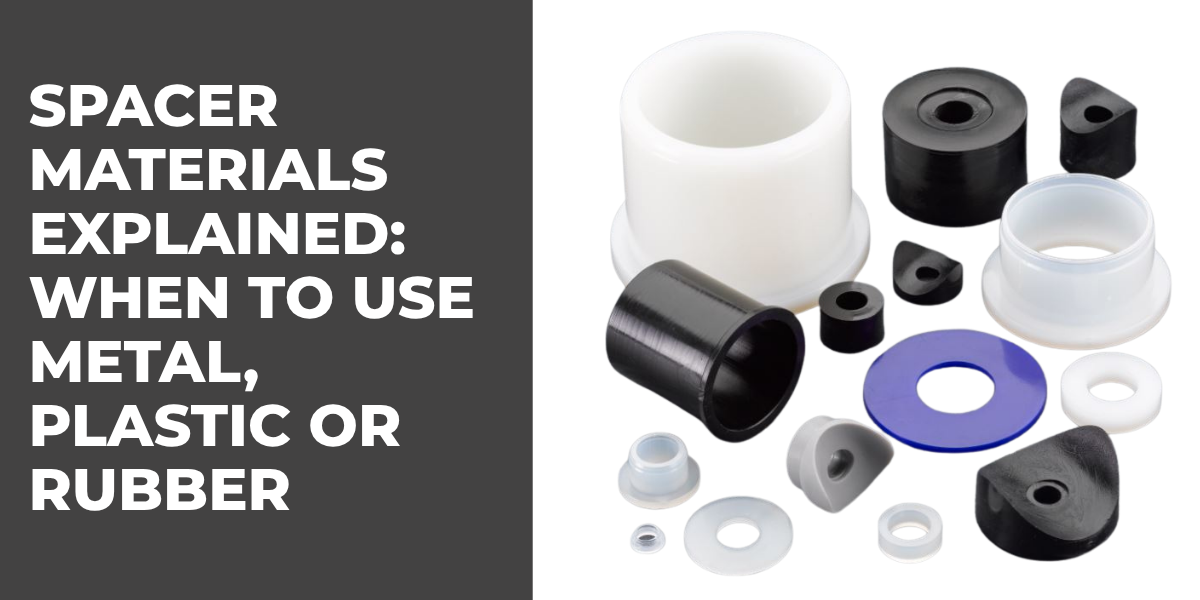
Spacer Materials Explained: When to Use Metal, Plastic or Rubber Spacers

Spacers may look like simple components, but the material you choose can greatly affect how an assembly performs. A spacer...
Read More
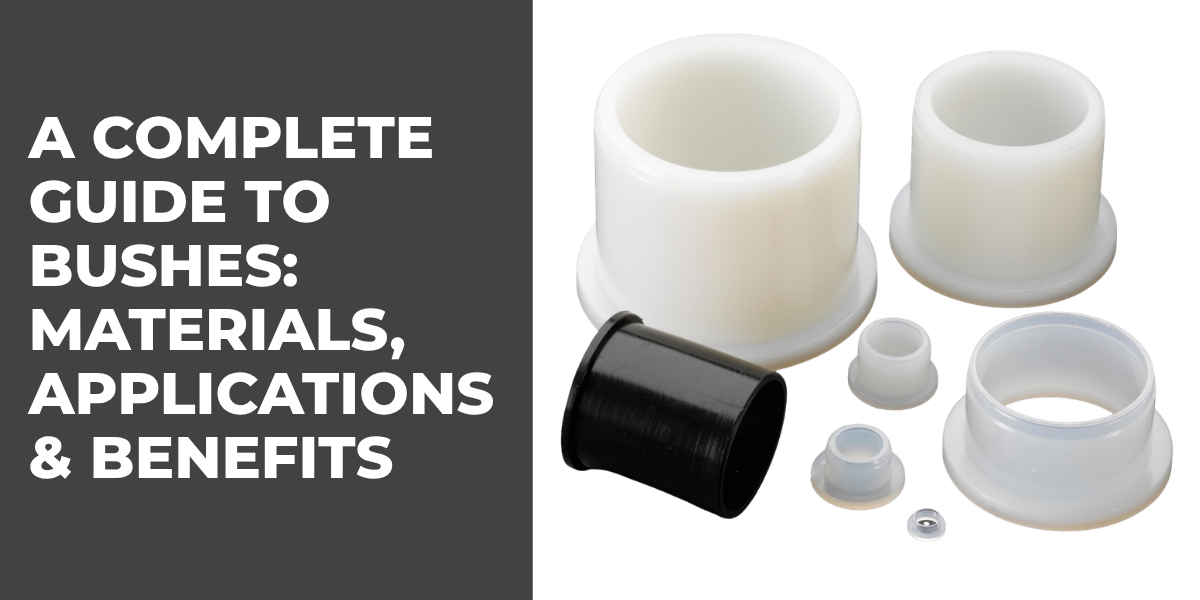
A Complete Guide to Bushes: Materials, Applications & Benefits

Bushes play an important role in mechanical assemblies, helping manufacturers manage movement, reduce friction, protect components and maintain accurate spacing....
Read More
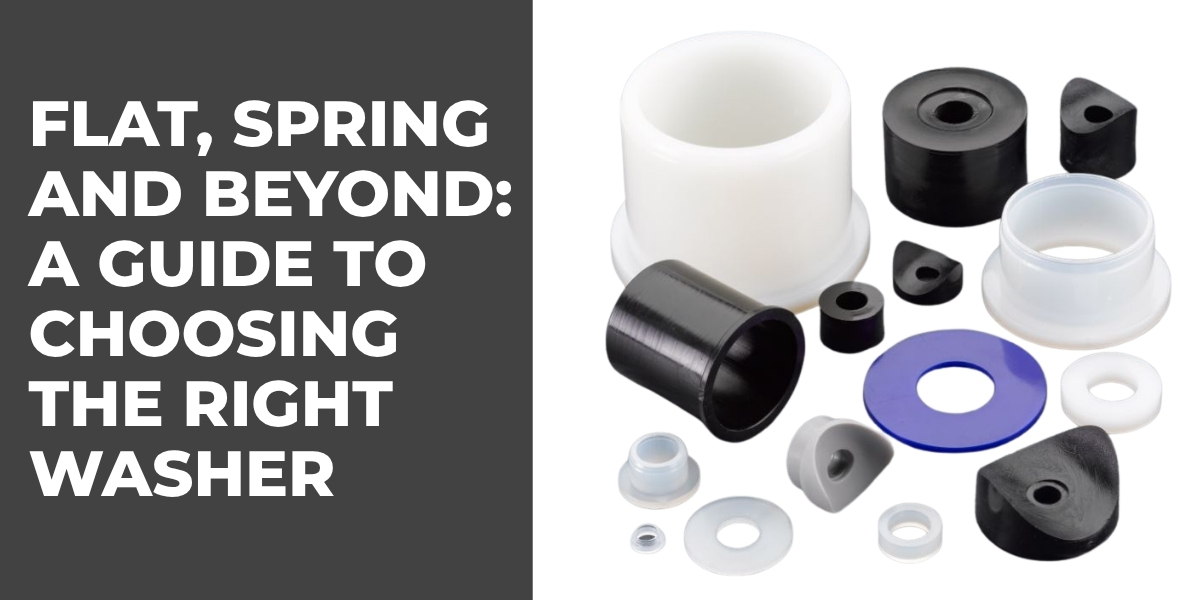
Flat, Spring and Beyond: A Guide to Choosing the Right Washer

Washers are small but essential components used in countless mechanical and industrial assemblies. While a standard flat washer may look...
Read More
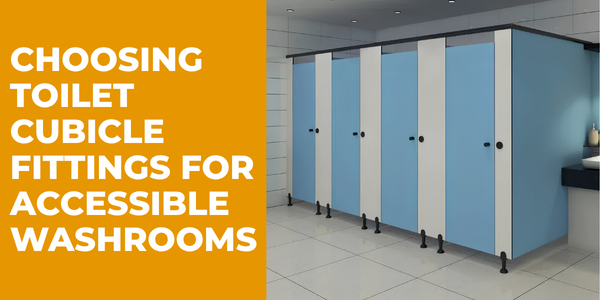
The Importance of Accessibility-Compliant Cubicle Hardware

Choosing Toilet Cubicle Fittings for Accessible Commercial Washrooms Accessibility is an increasingly important consideration when designing commercial washrooms. For architects,...
Read More
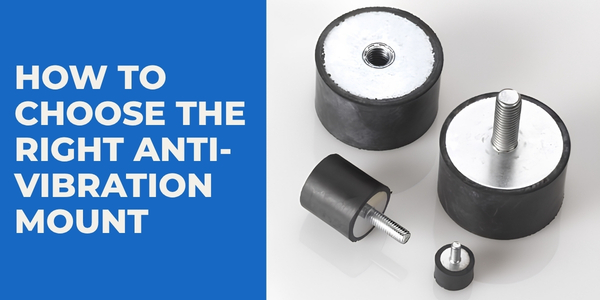
How to Choose the Right Anti-Vibration Mount

Choosing the right anti-vibration mount isn't simply a case of finding a mount that fits. The correct solution needs to...
Read More
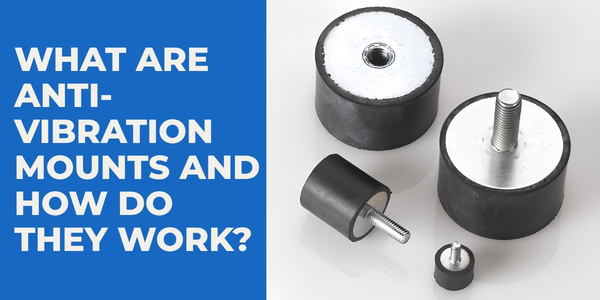
What Are Anti-Vibration Mounts and How Do They Work?

Vibration is an unavoidable part of many mechanical and industrial applications. Motors, pumps, compressors, generators and other machinery naturally move...
Read More
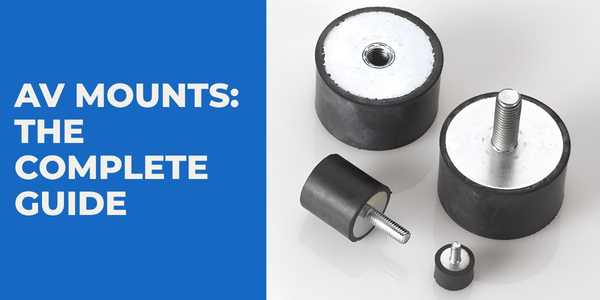
AV Mounts: The Complete Guide

Vibration can be an unavoidable part of operating machinery, equipment and mechanical systems. While some movement is perfectly normal, excessive...
Read More
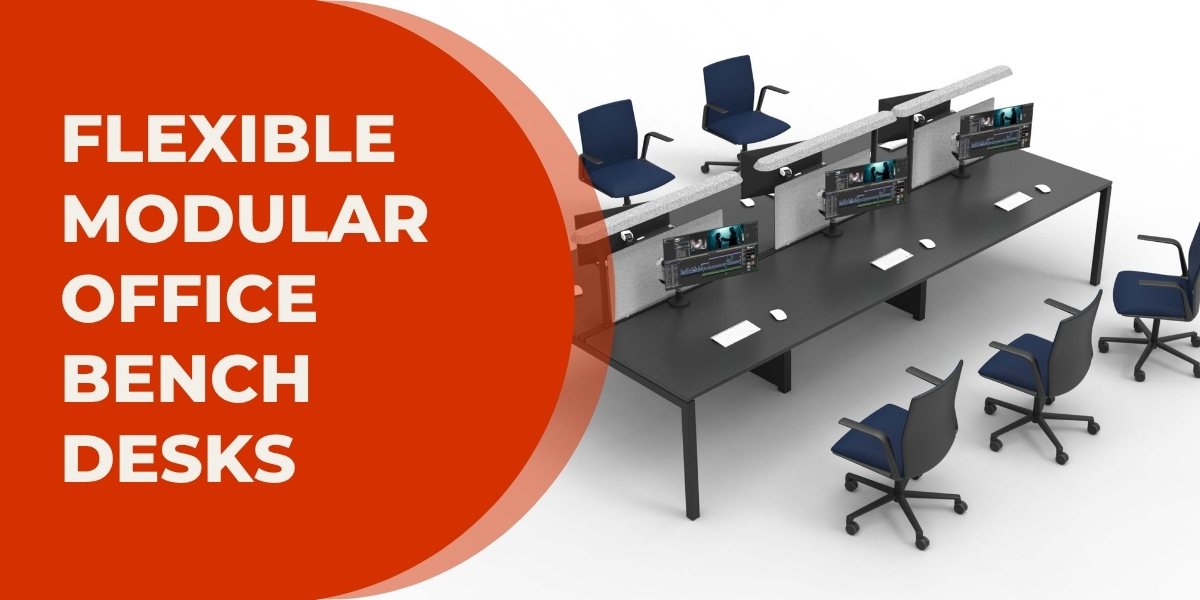
X3 Bench Desk: Flexible Modular Office Desks for Every Workspace

A bench desk is one of the most efficient ways to maximise office space while creating a collaborative working environment....
Read More

What is a hole saw and when to use one

A hole saw is a drill bit that transforms your drill into a saw capable of cutting perfectly round holes. The larger the hole you need, the larger the hole saw you will require, but all hole saws offer a much wider diameter hole than can be achieved with a standard drill bit.

Sometimes, a hole saw is referred to as a hole cutter. Usually, hole saws are fixed onto a drill arbor with a central guide drill bit, which makes it possible to ensure your hole is centred on a particular point.

Why we love a hole saw

Hole saws can create a neat, clean hole at exactly the right diameter with minimal fuss. So, if you want to cut a hole in the back of a unit to pass a cable through – you’ll find a hole saw the perfect diameter.

Fancy installing a pop-up socket in your kitchen island, or a desk grommet in your bank of desks. Again, a hole saw is exactly what you need.

Installing downlights? A hole saw will give you the perfect circle at the perfect size for a good fit. Drainage pipes, ventilation holes and door furniture also all need hole saws if they are to be fitted well and look good.

Choosing a hole saw

Different hole saws possess different qualities and, like most things when it comes to DIY, you need to choose the right hole saw for the job.

For most DIY projects, a carbon steel hole saw would be sufficient, however, for a more durable saw, choosing a bi-metal construction will give you a more robust saw which will be able to cut for longer periods and prevail through tougher materials.

Many of these bi-metal hole saws offer high-speed reinforced teeth that provide greater variability to cut through materials at the speed you need, according to the material you are cutting. Bi-metal hole saws are best suited to non-laminated plastic, plasterboard, plywood and non-ferrous metals such as aluminium, zinc and copper.

Our bi-metal hole saws have a variable tooth pitch which helps the saw to clear dust more efficiently and, at the same time, deliver a superior cutting performance over and above hole saws with a standard tooth pitch.

Most hole saws sit on a standard drill arbor, which has a pilot drill bit in the centre to help you align the hole saw centrally and drill in the correct position.

Other, more specialist hole saws include Tungsten carbide tipped hole saws- these deliver a fast-cutting action and are extremely durable; welded shank soffit cutters – these have a base plate which is welded to a non-detachable arbor and tend to have a large diameter as they are used for cutting ventilation holes in soffit boards; and diamond-edged hole saws which are infused with diamonds and are typically used to cut harder materials such as ceramic tiles.

One more point about hole saws

When choosing a hole saw, ensure you select the correct size. At BPF Online, we stock a wide range of hole saws that range from 38mm to 210mm. You can see our full range of hole saws here, including our Makita hole saws.

For more information on our hole saws, or which ones you’ll need to fit our pop-up sockets, or desk grommets, call us on 0844 7766800 or chat with our friendly advisors online.