BPF Online Blog

FREE UK carriage on orders over £250 nett      No minimum order value      Trade discounts       Order FREE samples online       Last cut off for overnight: 3pm

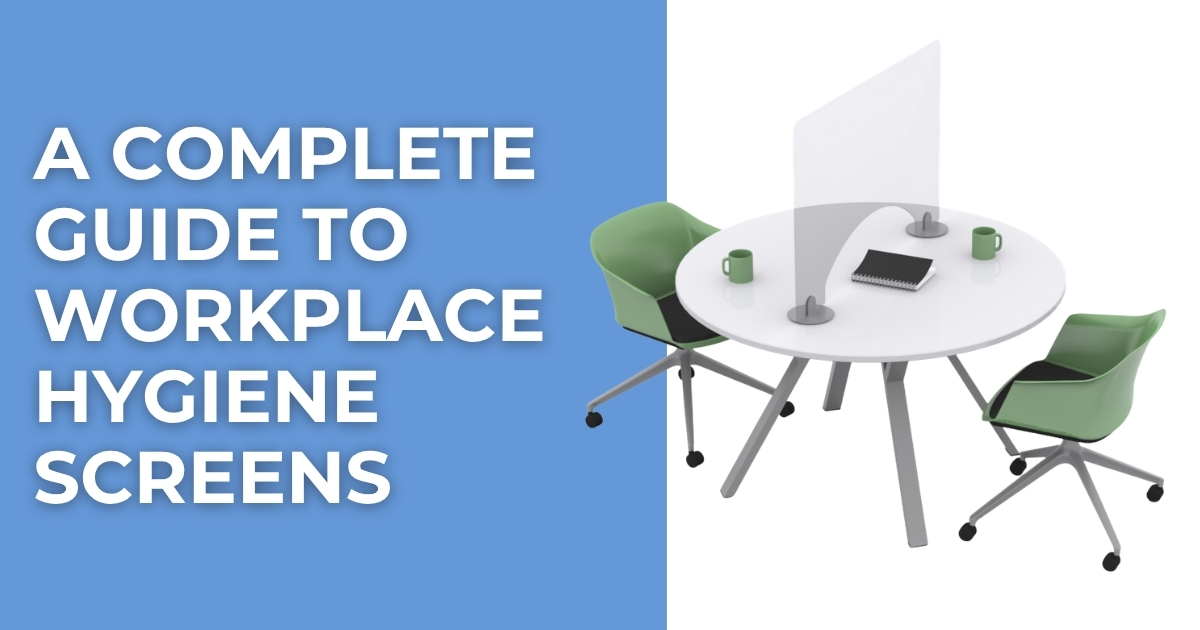
A Complete Guide to Workplace Hygiene Screens

Workplace hygiene screens provide a practical way to create physical separation between people in offices, reception areas, retail environments, service...
Read More

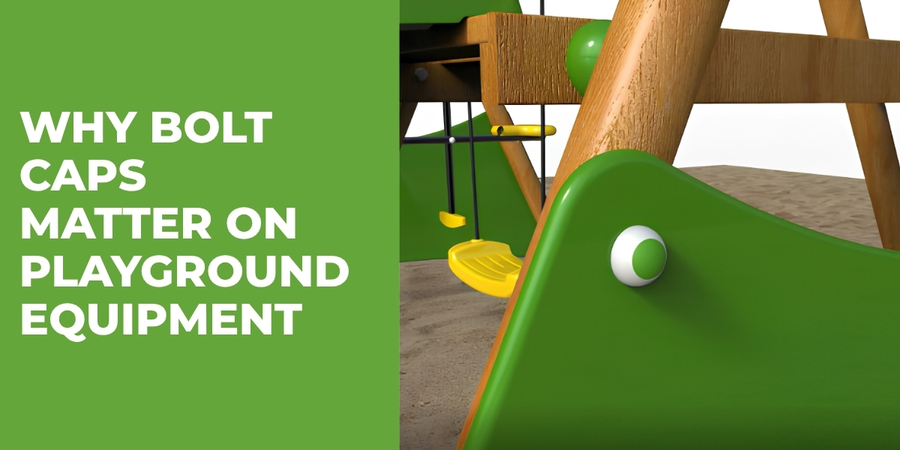
Why Bolt Caps Matter on Playground Equipment

When manufacturers and installers build playground equipment, they need to consider every component, right down to the smallest fixing. Bolts,...
Read More
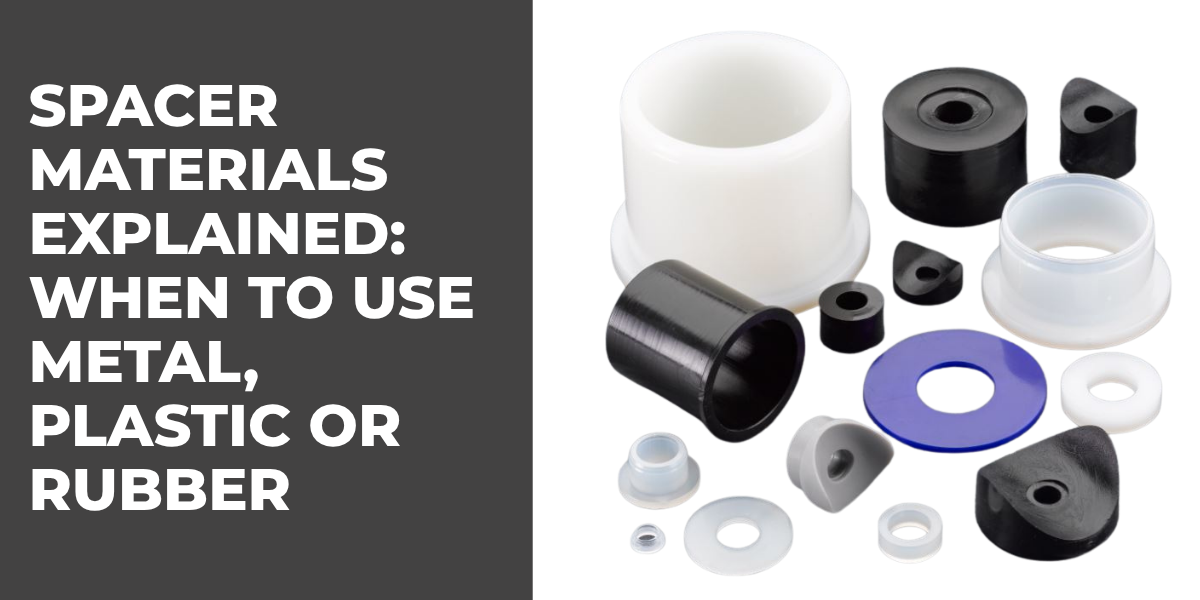
Spacer Materials Explained: When to Use Metal, Plastic or Rubber Spacers

Spacers may look like simple components, but the material you choose can greatly affect how an assembly performs. A spacer...
Read More
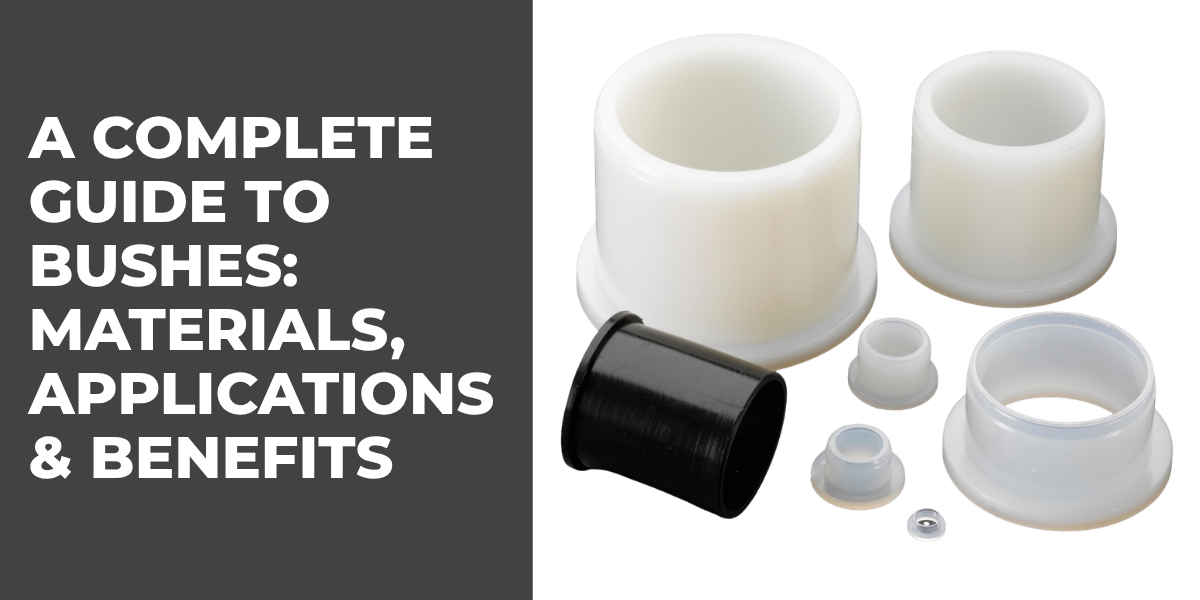
A Complete Guide to Bushes: Materials, Applications & Benefits

Bushes play an important role in mechanical assemblies, helping manufacturers manage movement, reduce friction, protect components and maintain accurate spacing....
Read More
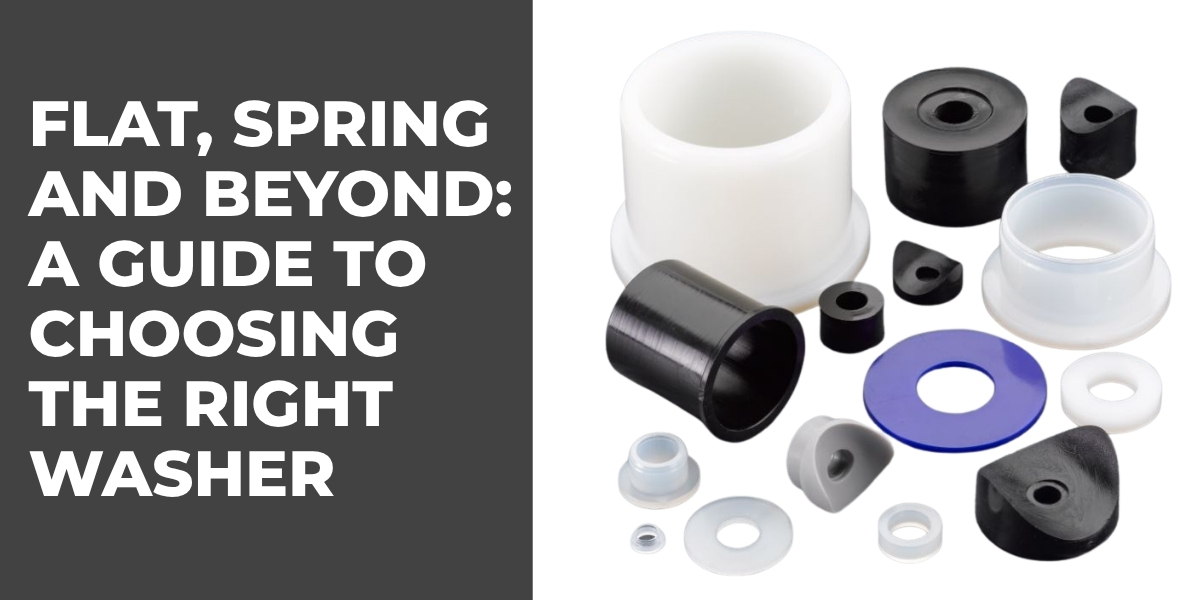
Flat, Spring and Beyond: A Guide to Choosing the Right Washer

Washers are small but essential components used in countless mechanical and industrial assemblies. While a standard flat washer may look...
Read More
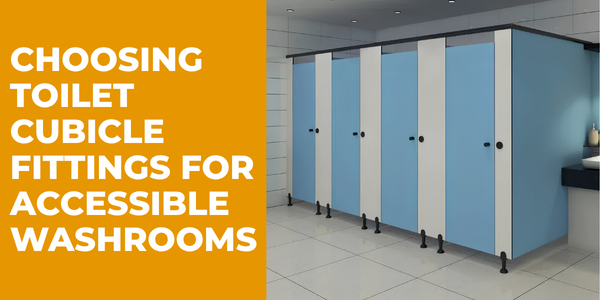
The Importance of Accessibility-Compliant Cubicle Hardware

Choosing Toilet Cubicle Fittings for Accessible Commercial Washrooms Accessibility is an increasingly important consideration when designing commercial washrooms. For architects,...
Read More
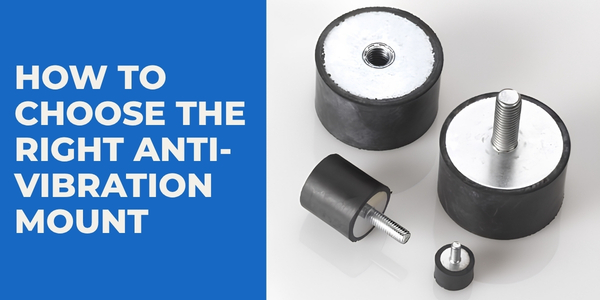
How to Choose the Right Anti-Vibration Mount

Choosing the right anti-vibration mount isn't simply a case of finding a mount that fits. The correct solution needs to...
Read More
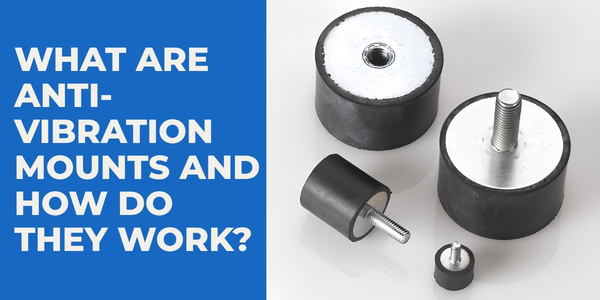
What Are Anti-Vibration Mounts and How Do They Work?

Vibration is an unavoidable part of many mechanical and industrial applications. Motors, pumps, compressors, generators and other machinery naturally move...
Read More
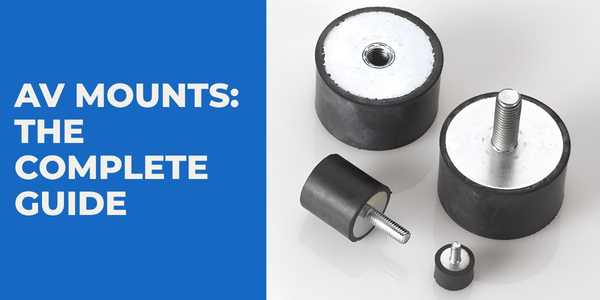
AV Mounts: The Complete Guide

Vibration can be an unavoidable part of operating machinery, equipment and mechanical systems. While some movement is perfectly normal, excessive...
Read More
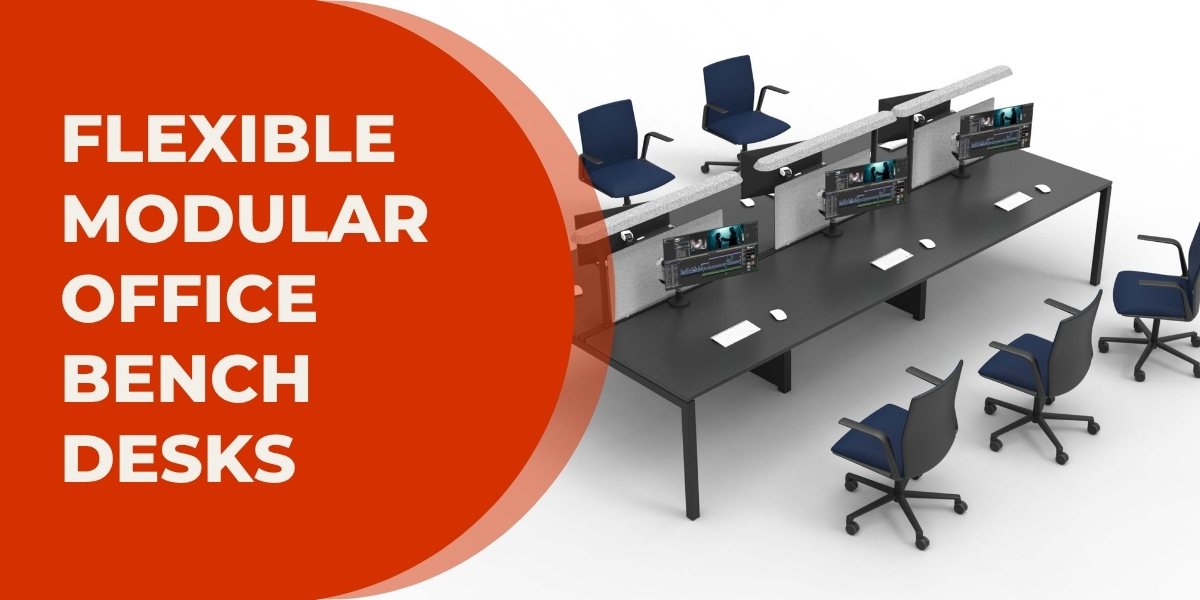
X3 Bench Desk: Flexible Modular Office Desks for Every Workspace

A bench desk is one of the most efficient ways to maximise office space while creating a collaborative working environment....
Read More

4 Uses for Adjustable Feet You Need to Know

Adjustable feet are a simple but incredibly versatile component used across furniture, equipment, machinery and commercial installations. They allow you to adjust height, compensate for uneven surfaces and create a more stable base without replacing or modifying the entire structure. From office desks and cabinets to machinery, display stands and industrial equipment, the right threaded adjustable feet can solve a surprising number of practical problems.

At BPF Online, we stock a wide range of adjustable feet, including different thread sizes, materials, base designs and adjustment options. But what exactly can you use them for?

1. Raise the Height of Furniture or Equipment

One of the most common uses for adjustable feet is to increase the height of furniture or equipment. Standard furniture dimensions do not always suit every application. You might need to raise an office desk to accommodate a taller user, bring a cabinet into line with neighbouring furniture or create additional clearance beneath a piece of equipment.

Threaded adjustable feet make these small height adjustments straightforward. By turning the threaded foot, you can increase or decrease the amount of thread engaged with the furniture leg or mounting point. This gives you control over the overall height without having to replace the furniture itself.

This makes height-adjustable feet particularly useful for:

  • Office desks and workstations
  • Cabinets and cupboards
  • Tables and benches
  • Display stands
  • Equipment frames
  • Machinery and industrial equipment


2. Level Furniture and Equipment on Uneven Floors

Floors are not always perfectly level, even in modern buildings. A small difference in floor height can cause furniture or equipment to rock, wobble or sit unevenly. Levelling feet provide a simple solution. You can adjust each foot independently to compensate for differences in floor height. This allows you to create a more stable and level base without modifying the floor or the furniture itself. This is particularly important for equipment that needs to remain stable during operation. For applications where the furniture or equipment may not sit completely perpendicular to the floor, tilting or articulated feet can provide additional flexibility by allowing the base to accommodate the surface beneath it.

3. Reduce Noise and Vibration

Some equipment produces vibration when it operates. Machinery, pumps, compressors and other mechanical equipment can transfer these vibrations through their frame and into the floor. This can create unwanted noise and, in some applications, contribute to wear or interfere with nearby equipment. Choosing the right anti-vibration feet can help reduce the transmission of vibration between the equipment and the supporting surface. Rubber-based feet are particularly useful where you need additional noise damping, vibration isolation or floor protection. The resilient material provides a degree of separation between the equipment and the surface underneath it.

At BPF Online, we also supply vibration-reducing feet and anti-slip feet for applications where additional grip, stability or vibration reduction is required.

4. Make Regular Height Adjustments

Some furniture and equipment need to change height regularly. This can be particularly useful in hot desking environments, exhibition stands, portable displays, workstations and temporary installations, where different users or locations may require different heights. In these applications, you want an adjustable foot that you can change quickly and easily rather than one that requires tools or extensive dismantling.

Threaded feet with a slotted head can allow you to make adjustments from above using a suitable screwdriver. Polyamide-based feet can also provide a lightweight and durable solution for a wide range of furniture and equipment applications. This makes them particularly useful where you expect to adjust the height repeatedly throughout the life of the product.

Choosing the Right Adjustable Feet

Not all adjustable feet are the same. The best option depends on how you intend to use them and the conditions they need to withstand. Before choosing your threaded adjustable feet, consider:

Thread Size

Check the thread size and type required by your furniture or equipment. Common thread sizes include M6, M8, M10 and M12, although other options are available.

Load Capacity

Consider the total weight the feet need to support, including the furniture, equipment and anything placed on it.

Base Material

Polyamide, rubber and other materials offer different properties. Rubber can provide additional grip and vibration damping, while hard-wearing plastic feet can provide a durable solution for many furniture applications.

Base Design

The shape and size of the foot can affect stability and floor contact. Larger bases can distribute loads over a wider area, while articulated or tilting bases can help accommodate uneven surfaces.

Adjustment Method

If you need to adjust the feet regularly, look for a design that makes height adjustment quick and accessible.

Adjustable Feet for Furniture, Equipment and More

Adjustable feet may be small components, but they can make a big difference to the stability, height and usability of furniture and equipment. Whether you need to raise a desk, level a cabinet, stabilise machinery, reduce vibration or make regular height adjustments, choosing the right adjustable foot can provide a simple and cost-effective solution.

At BPF Online, we stock a wide range of standard adjustable feet, alongside anti-slip, anti-vibration and specialist options for different applications. If you are unsure which adjustable feet, threaded feet or levelling feet you need, speak to our customer service team via website chat.