BPF Online Blog

FREE UK carriage on orders over £250 nett      No minimum order value      Trade discounts       Order FREE samples online       Last cut off for overnight: 3pm

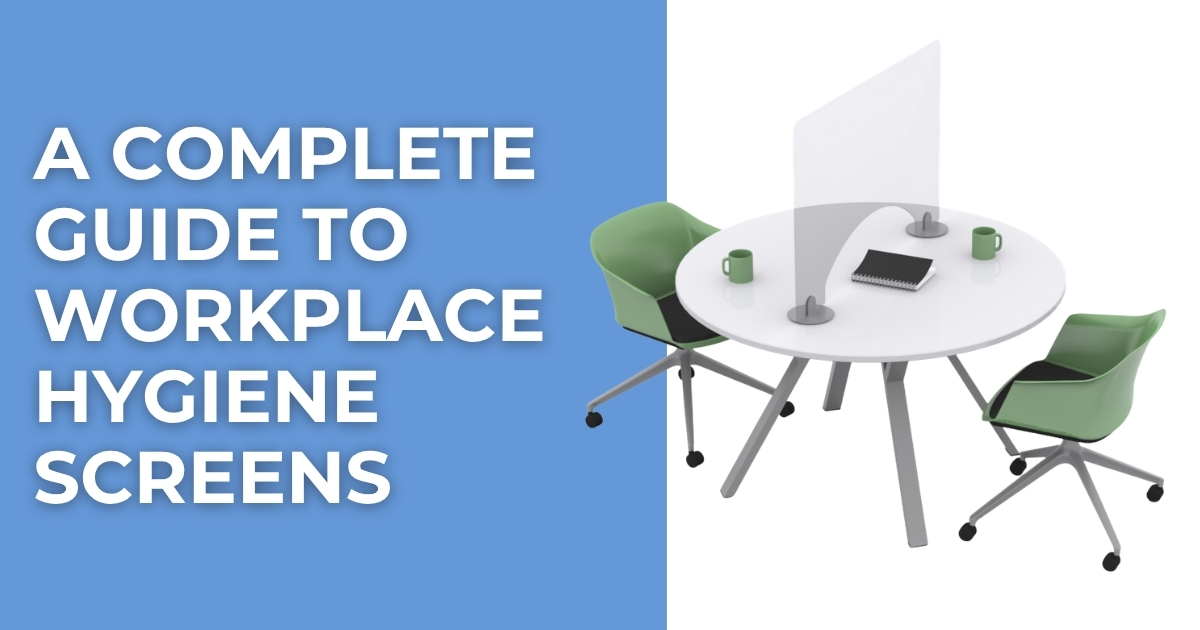
A Complete Guide to Workplace Hygiene Screens

Workplace hygiene screens provide a practical way to create physical separation between people in offices, reception areas, retail environments, service...
Read More

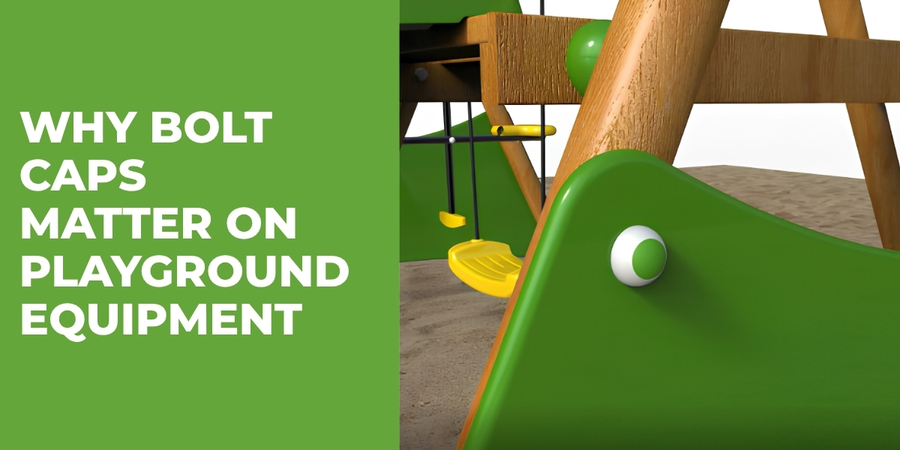
Why Bolt Caps Matter on Playground Equipment

When manufacturers and installers build playground equipment, they need to consider every component, right down to the smallest fixing. Bolts,...
Read More
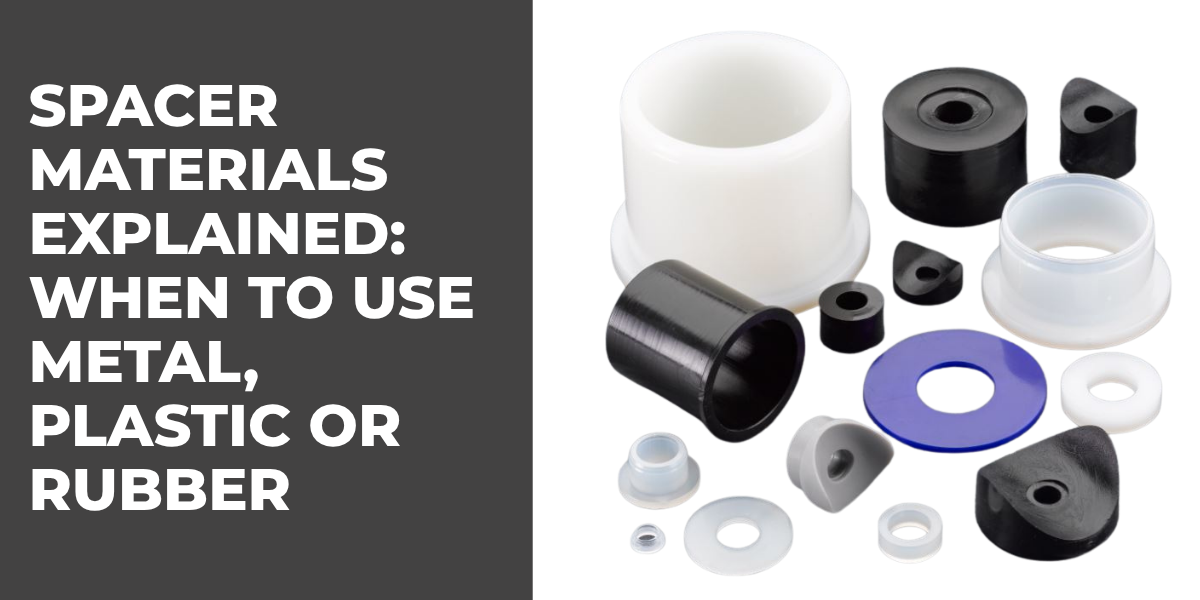
Spacer Materials Explained: When to Use Metal, Plastic or Rubber Spacers

Spacers may look like simple components, but the material you choose can greatly affect how an assembly performs. A spacer...
Read More
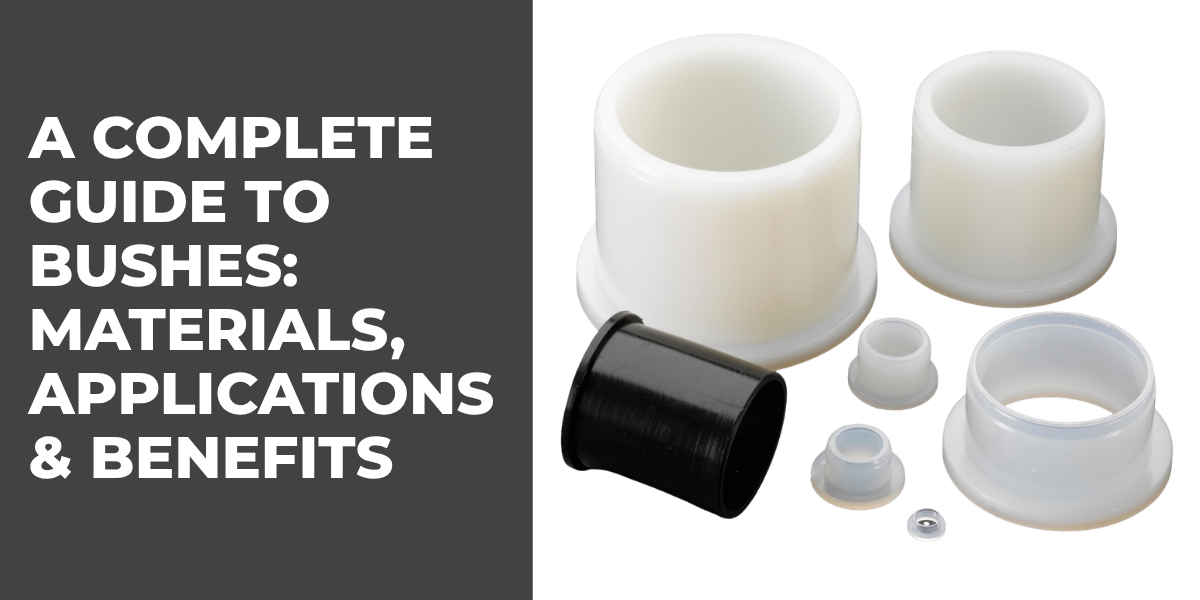
A Complete Guide to Bushes: Materials, Applications & Benefits

Bushes play an important role in mechanical assemblies, helping manufacturers manage movement, reduce friction, protect components and maintain accurate spacing....
Read More
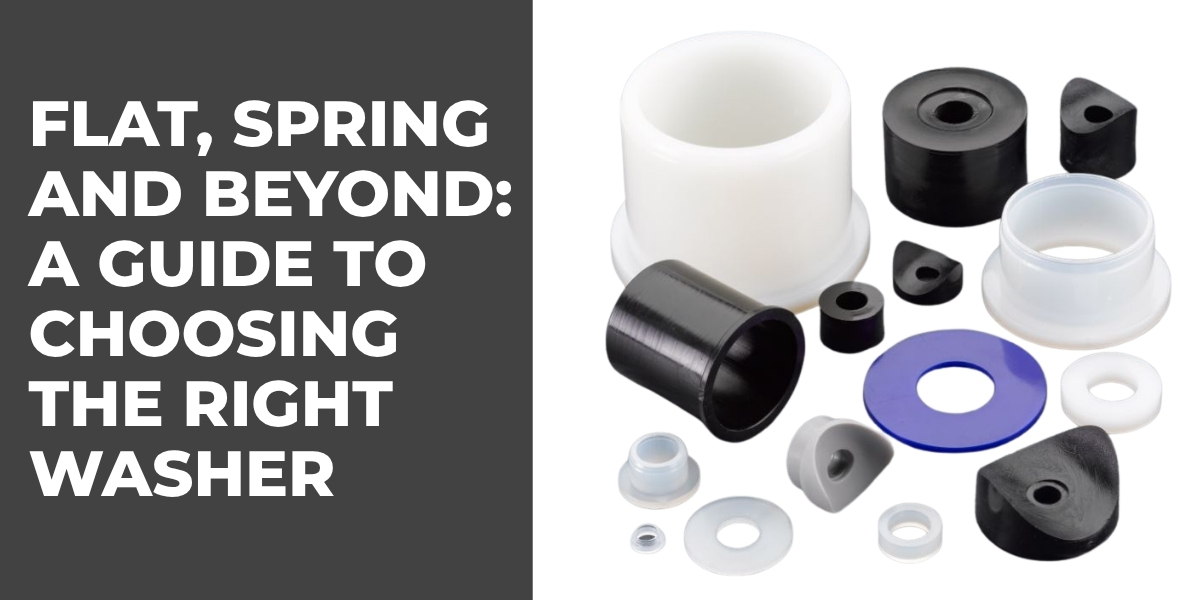
Flat, Spring and Beyond: A Guide to Choosing the Right Washer

Washers are small but essential components used in countless mechanical and industrial assemblies. While a standard flat washer may look...
Read More
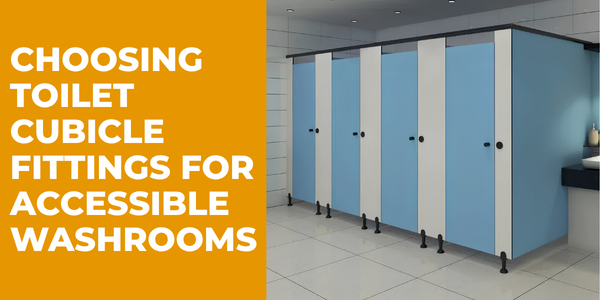
The Importance of Accessibility-Compliant Cubicle Hardware

Choosing Toilet Cubicle Fittings for Accessible Commercial Washrooms Accessibility is an increasingly important consideration when designing commercial washrooms. For architects,...
Read More
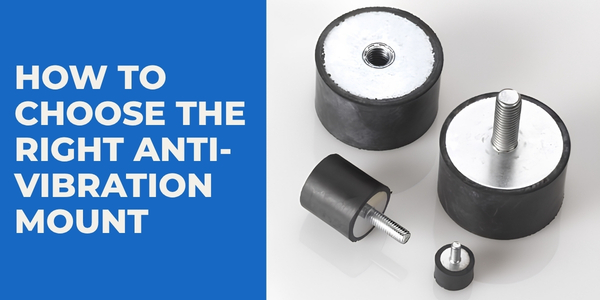
How to Choose the Right Anti-Vibration Mount

Choosing the right anti-vibration mount isn't simply a case of finding a mount that fits. The correct solution needs to...
Read More
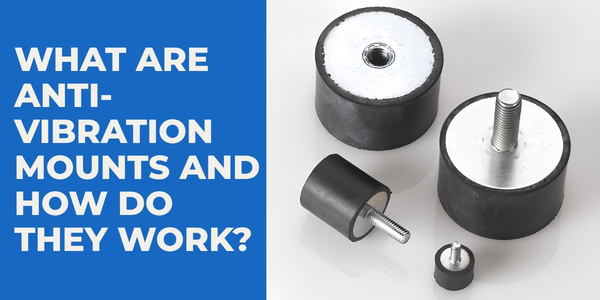
What Are Anti-Vibration Mounts and How Do They Work?

Vibration is an unavoidable part of many mechanical and industrial applications. Motors, pumps, compressors, generators and other machinery naturally move...
Read More
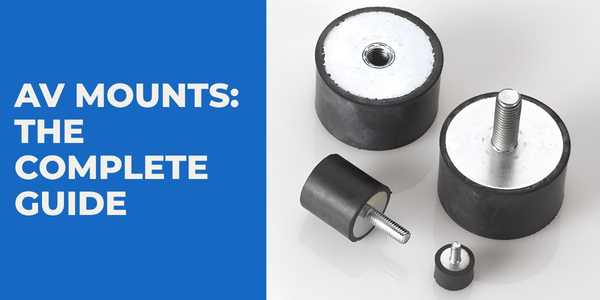
AV Mounts: The Complete Guide

Vibration can be an unavoidable part of operating machinery, equipment and mechanical systems. While some movement is perfectly normal, excessive...
Read More
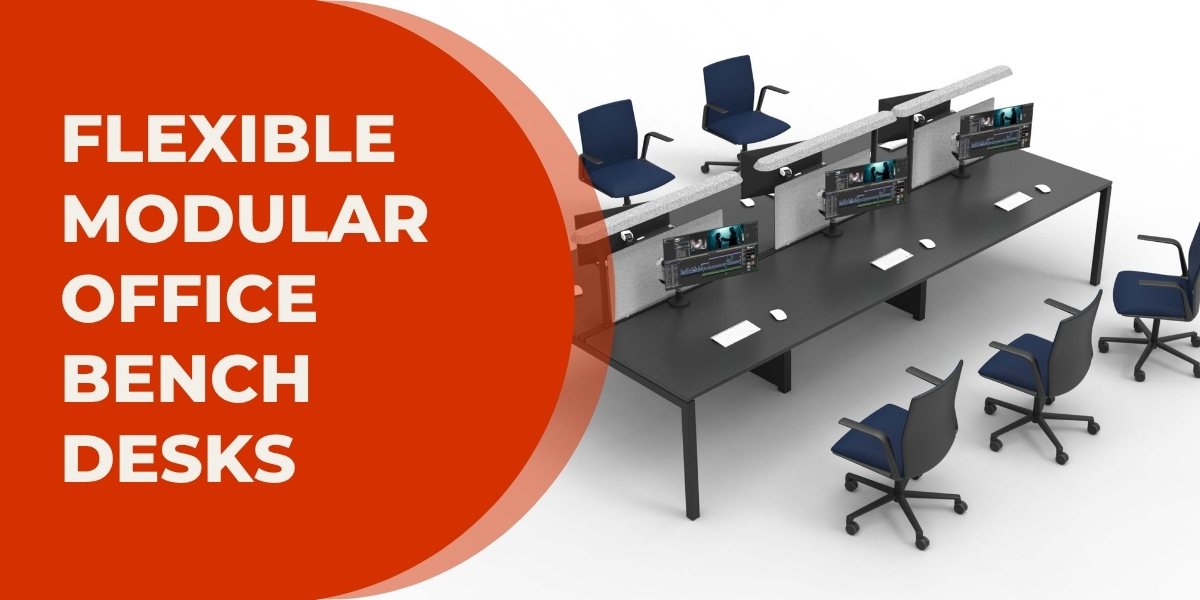
X3 Bench Desk: Flexible Modular Office Desks for Every Workspace

A bench desk is one of the most efficient ways to maximise office space while creating a collaborative working environment....
Read More

The Science of Workspaces: Understanding the Psychology of Office Design

The office isn’t simply a place to work.

It’s a place where people go to be creative, to be a part of something bigger – to find their sense of community. This is why, when designing an office space, it’s important to look beyond the workspace.

Across their life span, the average American spends more than 90,000 hours at work. That’s a long time – and it’s also a big incentive to get the design of the workplace right.

Despite this, a 2015 Human Spaces report stated that around 58% of employees don’t have any greenery within eyesight while at work. More astonishing than that, around 47% of office workers around the world don’t have access to natural light while at work. However, we’re starting to understand the dramatic impact that nature can have on us as humans, especially in light of the increasing urbanisation of our lives.

The good news is, introducing natural features into the workplace doesn’t have to be complicated or costly. It does, however, require some consideration.

It shouldn’t stop at cognitive ergonomics

Often, when designing offices, the features needed for employees to do the job are the focus of all considerations – a desk space big enough to write, type and review their work, appropriate lighting, and comfortable seating or an effective sit/stand desk.

However, thinking more carefully about the psychology behind office design takes employee potential from deliverable to inspired.

Bright, well -lit spaces can elevate mood and energy levels

Blue light – the same blue light that is now known for messing with our sleep, occurs naturally in sunlight as well as artificial light. Blue light reduces the natural sleep hormone melatonin. Which is bad at night, but great when you want your employees to be productive during the day.

Warm-toned office lighting can work adversely to blue-toned lighting and make employees relaxed and even drowsy in the workplace.

According to the Illuminating Engineering Society (IES), intense direct light from overhead creates a tense ambience in the office, whereas lower overhead lighting combined with warm-toned lighting at the room perimeter creates a more relaxed space.

Optimising the natural light in an office and supplementing it with blue light is the best way to energise employees in the workplace. Try and avoid blocking natural light from windows and where room partitions are used. Acrylic screens or acrylic room dividers are are good way to reduce sound travel and divert footfall, without locking natural light.

Office layout can influence the social dynamics

Another key consideration when designing an office is the social dynamic. If your employees work closely together as  a team then a bank or several banks of desks may be the best way to ensure collaboration throughout the day. However, if you choose to sit employees together, you may also want to provide a private space where employees can make personal phone calls away from other team members.

Keeping the office tidy and clutter-free is another way you can encourage a fluid dynamic and create a calm and clean environment. Giving employees space where they can put away their belongings or papers in under-desk drawers or on shelving units is an effective way to maintain a healthy and calm vibe in the workplace.

Décor has a part to play in the wellbeing of your team

And then there’s the décor. Here, there a lots of quick gains to be made by bringing in natural an earthy tones.

Having a significant natural influence in the office can help reduce stress levels and are said to improve mindfulness.

Plants can improve air quality increasing the levels of oxygen and decreasing the levels of harmful chemicals in the air. By placing natural elements such as plants in pots around the office can also reduce stress and enhance creativity.

Air quality isn’t the only way nature can help us at work.

In a 2007 study[i], university researchers in Cardiff compared the productivity of two groups of office workers exposed to different levels of nature contact. They found that those whose offices had a view of natural greenery saw a 15% rise in productivity over a three-month period, compared to those with no green vistas.

You don’t need to build a UFO structure and fill the cut-out centre with trees like the Apple HQ, but natural stone, water features and the use of natural woods like those used in these shelves can all play a part in bringing nature into the workplace.

So, to optimize your workforce and enhance the well-being of your staff, maybe it’s time we get back to nature and start thinking about the choices behind our office designs.

If you’d like any information about our products, you can contact our customer services team for help and support on our online chat.

[i] Velarde, M. D., Fry, G., & Tveit, M. (2007). Health effects of viewing landscapes – Landscape types in environmental psychology. Urban Forestry & Urban Greening, 6, 199-212