BPF Online Blog

FREE UK carriage on orders over £250 nett      No minimum order value      Trade discounts       Order FREE samples online       Last cut off for overnight: 3pm

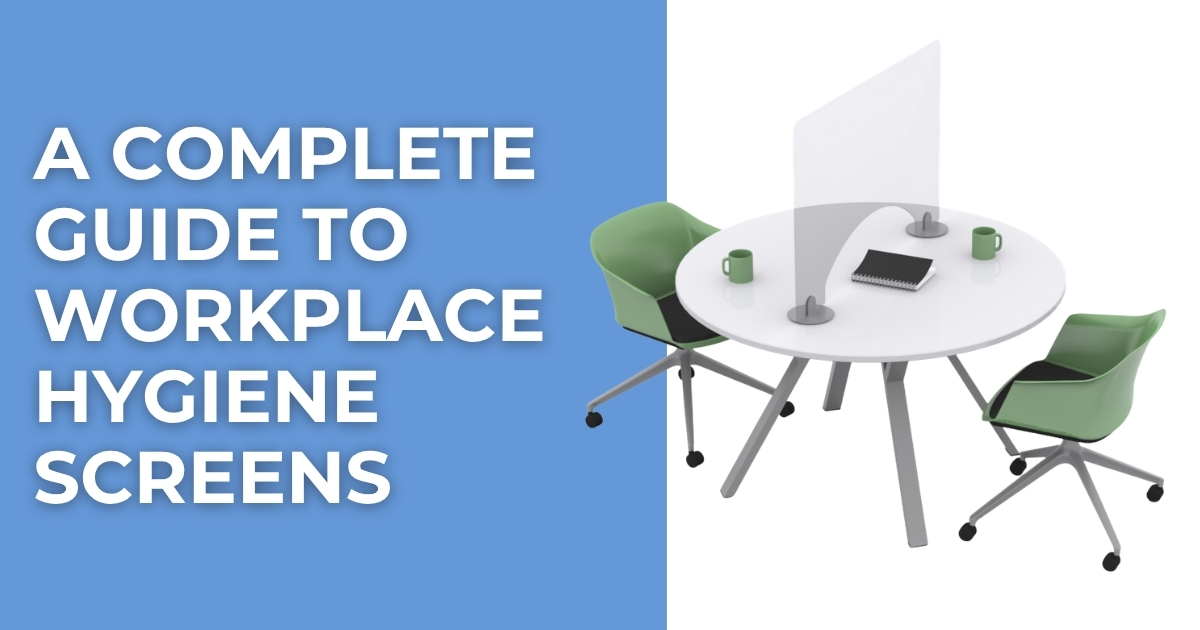
A Complete Guide to Workplace Hygiene Screens

Workplace hygiene screens provide a practical way to create physical separation between people in offices, reception areas, retail environments, service...
Read More

Why Bolt Caps Matter on Playground Equipment

When manufacturers and installers build playground equipment, they need to consider every component, right down to the smallest fixing. Bolts,...
Read More

Spacer Materials Explained: When to Use Metal, Plastic or Rubber Spacers

Spacers may look like simple components, but the material you choose can greatly affect how an assembly performs. A spacer...
Read More

A Complete Guide to Bushes: Materials, Applications & Benefits

Bushes play an important role in mechanical assemblies, helping manufacturers manage movement, reduce friction, protect components and maintain accurate spacing....
Read More

Flat, Spring and Beyond: A Guide to Choosing the Right Washer

Washers are small but essential components used in countless mechanical and industrial assemblies. While a standard flat washer may look...
Read More
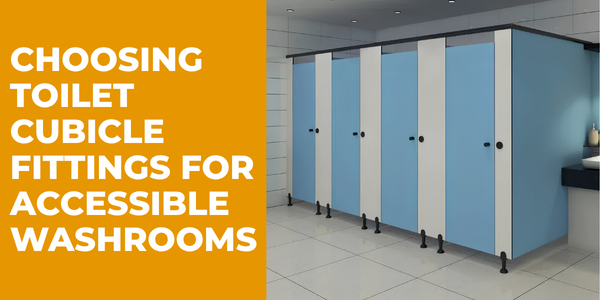
The Importance of Accessibility-Compliant Cubicle Hardware

Choosing Toilet Cubicle Fittings for Accessible Commercial Washrooms Accessibility is an increasingly important consideration when designing commercial washrooms. For architects,...
Read More

How to Choose the Right Anti-Vibration Mount

Choosing the right anti-vibration mount isn't simply a case of finding a mount that fits. The correct solution needs to...
Read More

What Are Anti-Vibration Mounts and How Do They Work?

Vibration is an unavoidable part of many mechanical and industrial applications. Motors, pumps, compressors, generators and other machinery naturally move...
Read More

AV Mounts: The Complete Guide

Vibration can be an unavoidable part of operating machinery, equipment and mechanical systems. While some movement is perfectly normal, excessive...
Read More
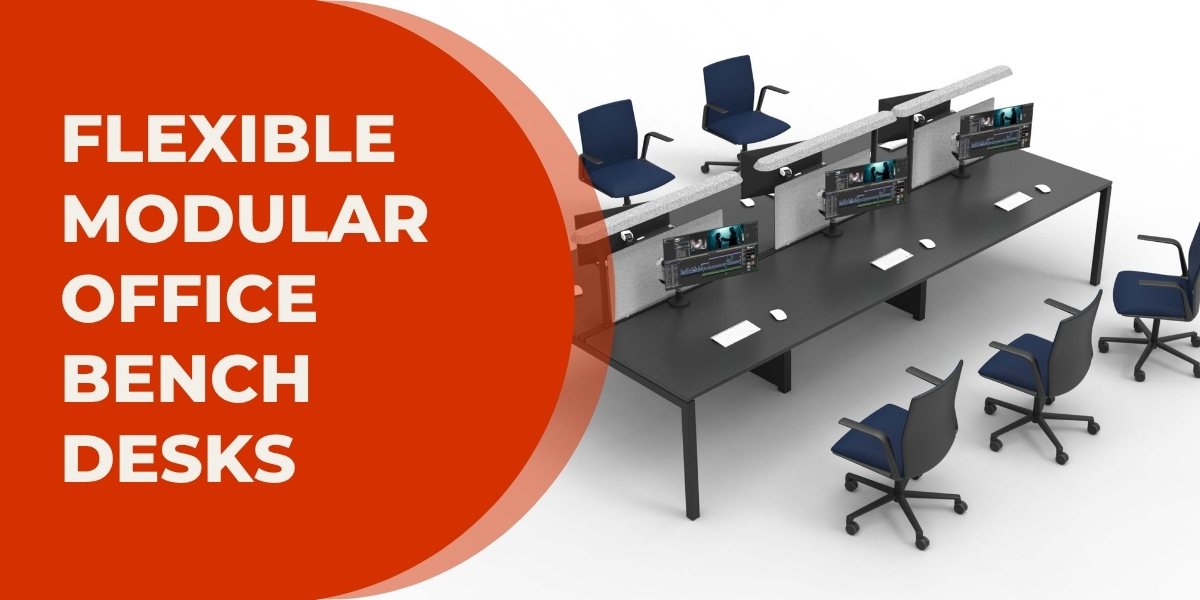
X3 Bench Desk: Flexible Modular Office Desks for Every Workspace

A bench desk is one of the most efficient ways to maximise office space while creating a collaborative working environment....
Read More
Electrical Safety in the Workplace: What Every Office Needs to Know in 2026

Electrical Safety in the Workplace: What Every Office Needs to Know in 2026

Electrical Safety in the Workplace: What Every Office Needs to Know

Electricity is fundamental to modern business. From powering laptops and monitors to running printers, coffee machines and lighting, it keeps offices productive and connected. But while electricity is essential, it is also one of the most dangerous hazards in any workplace if it isn’t managed properly.

Across the UK, electrical faults continue to be a major cause of fires in homes and workplaces. According to fire safety statistics, thousands of accidental fires every year are linked to electrical appliances, wiring and misuse of electrical equipment.

Offices may not use high-powered appliances like tumble dryers or large kitchen equipment, but that doesn’t mean the risk disappears. In fact, the growing number of devices in modern offices – laptops, chargers, docking stations, screens, and desk equipment – means electrical safety is more important than ever.

In most offices, the main electrical hazards come from:

  • Faulty or damaged equipment
  • Unsafe or poorly maintained electrical installations
  • Misuse of electrical devices or overloaded sockets
  • Damaged cables or trailing wires

Understanding these risks is the first step toward keeping your workplace safe.

Legislation on electricity in the workplace

Electrical safety in the workplace is primarily governed by the Electricity at Work Regulations 1989. These regulations require employers to manage electrical systems and equipment to prevent danger. Employers hold the primary responsibility, but employees must also use electrical equipment safely and report any problems.

Three key principles from the regulations are especially relevant for offices:

  1. Maintain electrical systems properly
    Employers must regularly maintain electrical equipment and systems to keep them safe.
  2. Use equipment within safe limits
    Employees should never overload electrical equipment or use it beyond its intended capacity.
  3. Keep equipment in safe condition
    Employers and staff should inspect and maintain portable electrical equipment regularly to ensure it remains safe to use.

What counts as portable electrical equipment?

Portable electrical equipment includes any device with a plug and cable that people can unplug and move, rather than equipment permanently wired into the building.

In an office environment, this can include:

  • Laptops and monitors
  • Desk lamps
  • Phone chargers and docking stations
  • Telephones
  • Kettles and hot water dispensers
  • Coffee machines
  • Toasters and small kitchen appliances


What is PAT testing?

Portable Appliance Testing (PAT testing) is one of the most common ways organisations check that electrical equipment is safe to use. PAT testing is not a legal requirement, however businesses often use PAT test certificates to demonstrate their compliance with electrical safety obligations.

During a PAT test, a trained technician will typically:

  1. Carry out a visual inspection of the appliance, cable and plug to check for damage.
  2. Perform electrical safety tests using specialised equipment to verify that the appliance is functioning safely.

Appliances that contain an earth conductor — such as kettles, toasters and many office devices — may undergo additional testing to ensure the electrical protection systems work correctly.

After testing, you should receive:

  • A report outlining the test results
  • An inventory of the appliances tested
  • Details of their location and condition

Each appliance usually carries a label showing:

  • A pass or fail result
  • The date of the inspection
  • The date of the next recommended inspection

Simple steps to keep office electrics safe

Many electrical incidents are caused by something simple: damaged cables. Loose wires under desks, cables stretched across floors, or power leads trapped behind furniture can quickly become damaged and unsafe. Using proper cable management solutions can dramatically reduce these risks.

For example:

  • Cable trunking protects wires along walls and floors
  • Cable snakes guide cables safely from desks to the floor
  • Cable spines organise multiple cables neatly under desks

These solutions not only improve safety but also create a cleaner and more professional workspace.

Need help organising your office cables?

At BPF, we offer a wide range of cable management solutions designed to keep workplaces tidy, safe and compliant.

You can explore our range of cable trunking, cable snakes and cable spines on our website, or if you’re unsure what solution would work best for your workspace, the BPF team is always happy to help. Simply get in touch via our online chat and we’ll guide you through the options.