BPF Online Blog

FREE UK carriage on orders over £250 nett      No minimum order value      Trade discounts       Order FREE samples online       Last cut off for overnight: 3pm

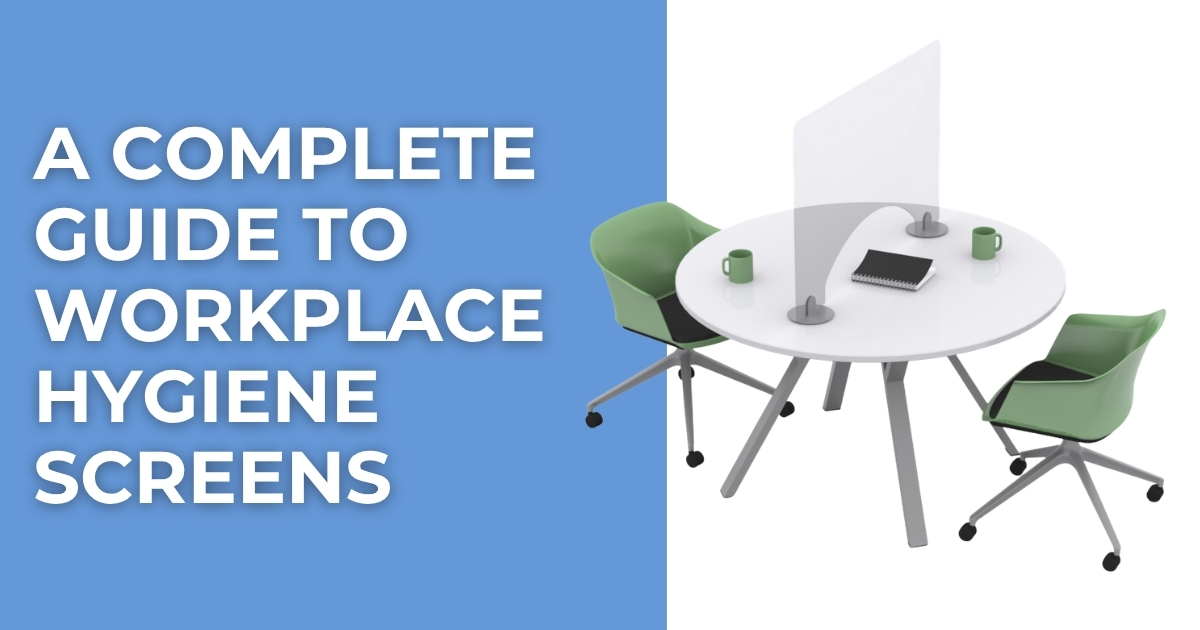
A Complete Guide to Workplace Hygiene Screens

Workplace hygiene screens provide a practical way to create physical separation between people in offices, reception areas, retail environments, service...
Read More

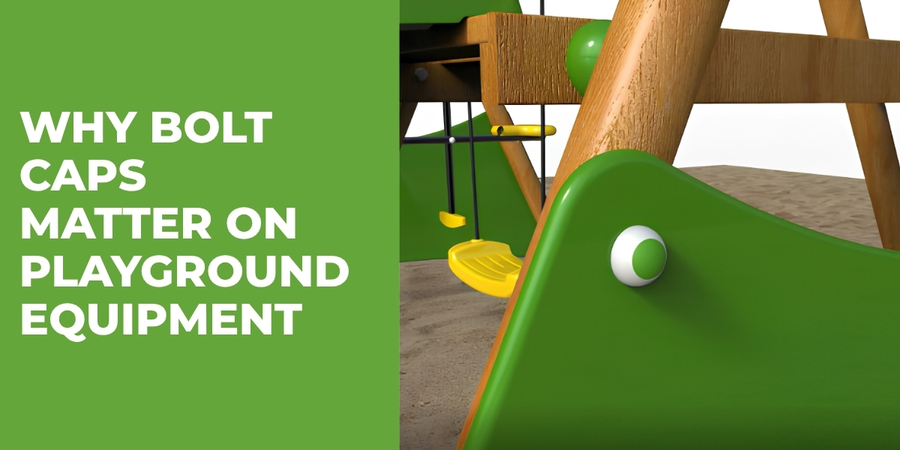
Why Bolt Caps Matter on Playground Equipment

When manufacturers and installers build playground equipment, they need to consider every component, right down to the smallest fixing. Bolts,...
Read More
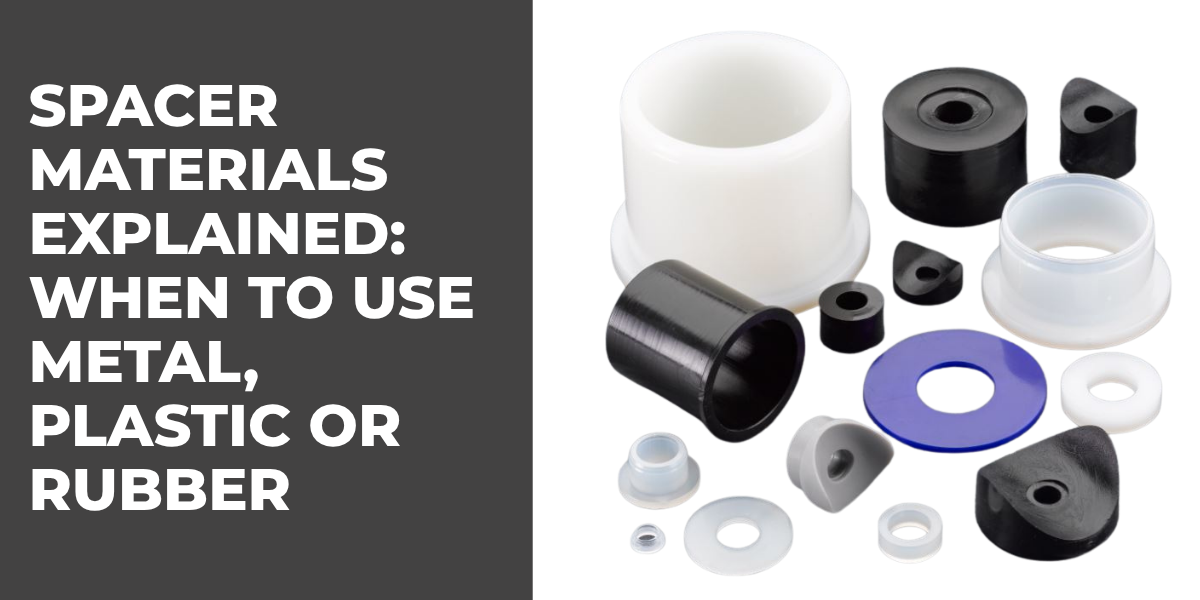
Spacer Materials Explained: When to Use Metal, Plastic or Rubber Spacers

Spacers may look like simple components, but the material you choose can greatly affect how an assembly performs. A spacer...
Read More
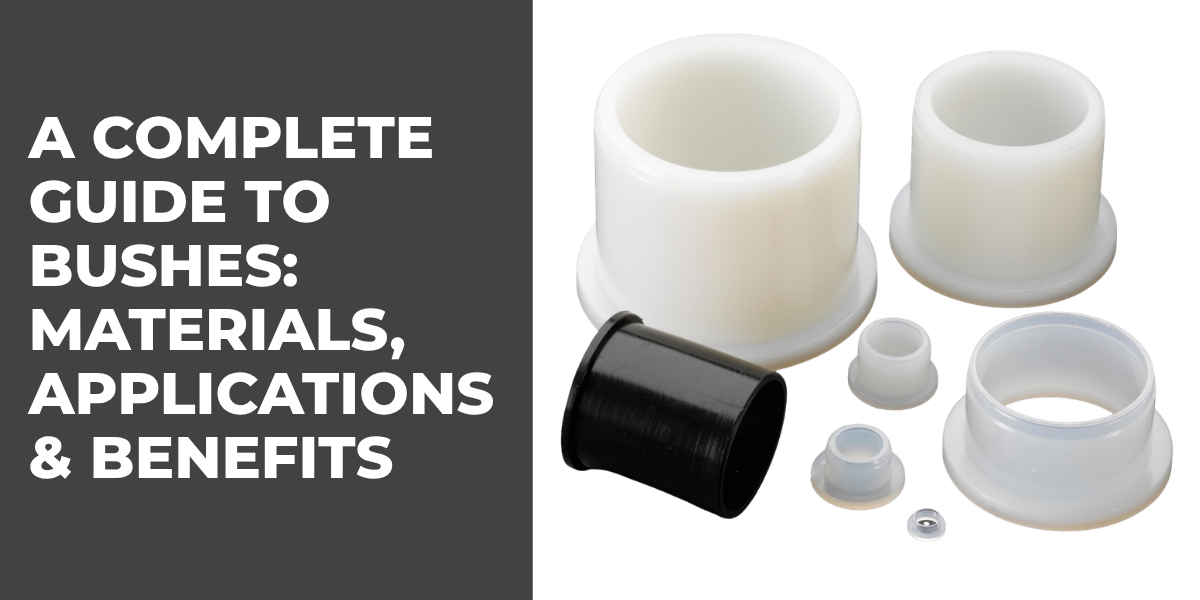
A Complete Guide to Bushes: Materials, Applications & Benefits

Bushes play an important role in mechanical assemblies, helping manufacturers manage movement, reduce friction, protect components and maintain accurate spacing....
Read More
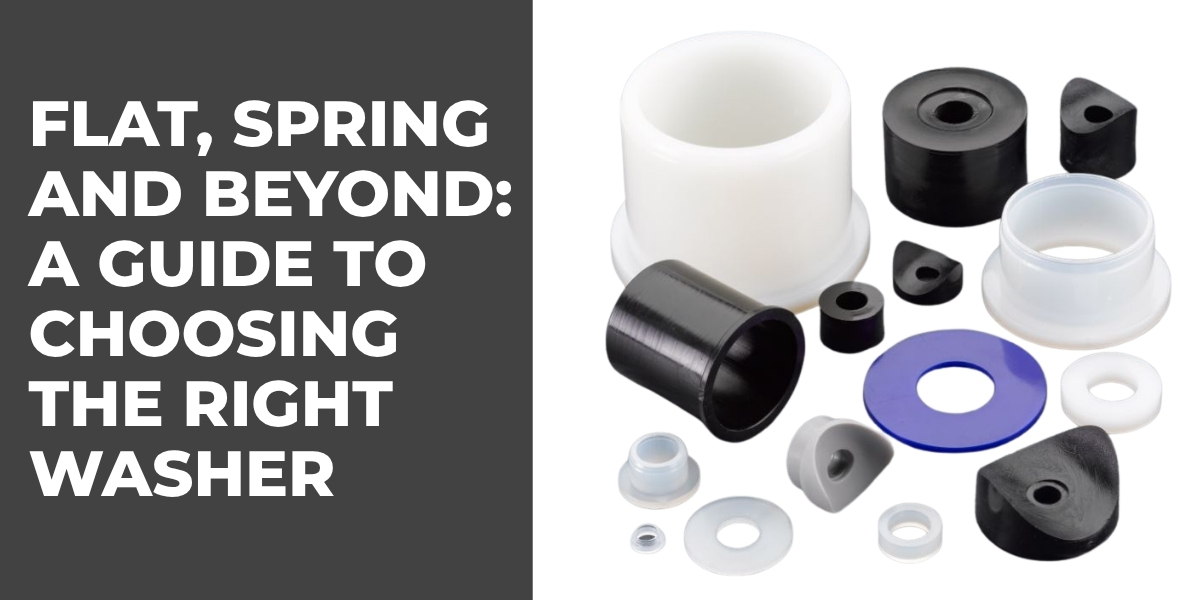
Flat, Spring and Beyond: A Guide to Choosing the Right Washer

Washers are small but essential components used in countless mechanical and industrial assemblies. While a standard flat washer may look...
Read More
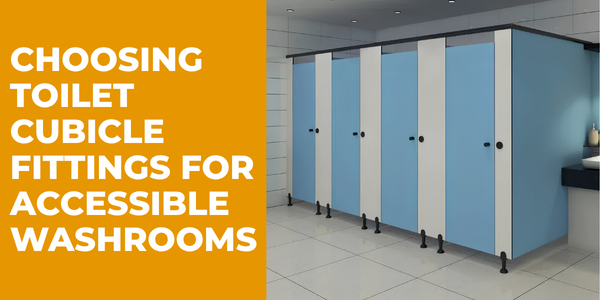
The Importance of Accessibility-Compliant Cubicle Hardware

Choosing Toilet Cubicle Fittings for Accessible Commercial Washrooms Accessibility is an increasingly important consideration when designing commercial washrooms. For architects,...
Read More
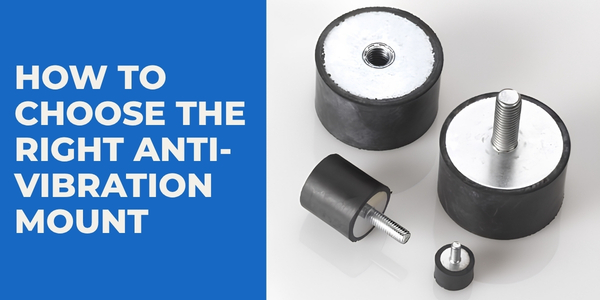
How to Choose the Right Anti-Vibration Mount

Choosing the right anti-vibration mount isn't simply a case of finding a mount that fits. The correct solution needs to...
Read More
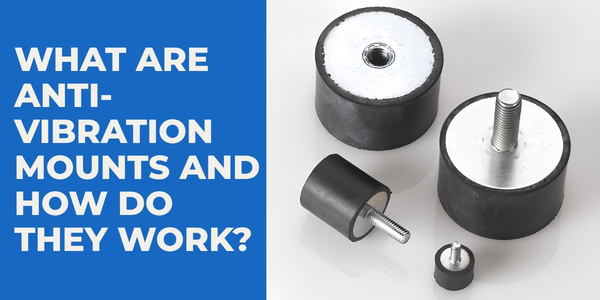
What Are Anti-Vibration Mounts and How Do They Work?

Vibration is an unavoidable part of many mechanical and industrial applications. Motors, pumps, compressors, generators and other machinery naturally move...
Read More
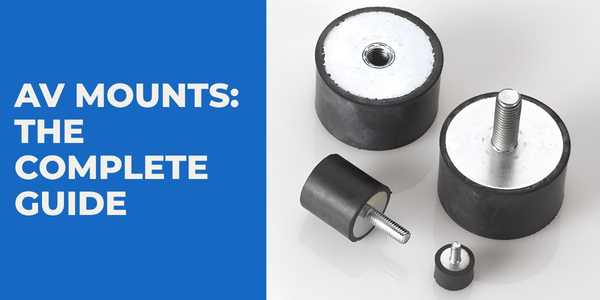
AV Mounts: The Complete Guide

Vibration can be an unavoidable part of operating machinery, equipment and mechanical systems. While some movement is perfectly normal, excessive...
Read More
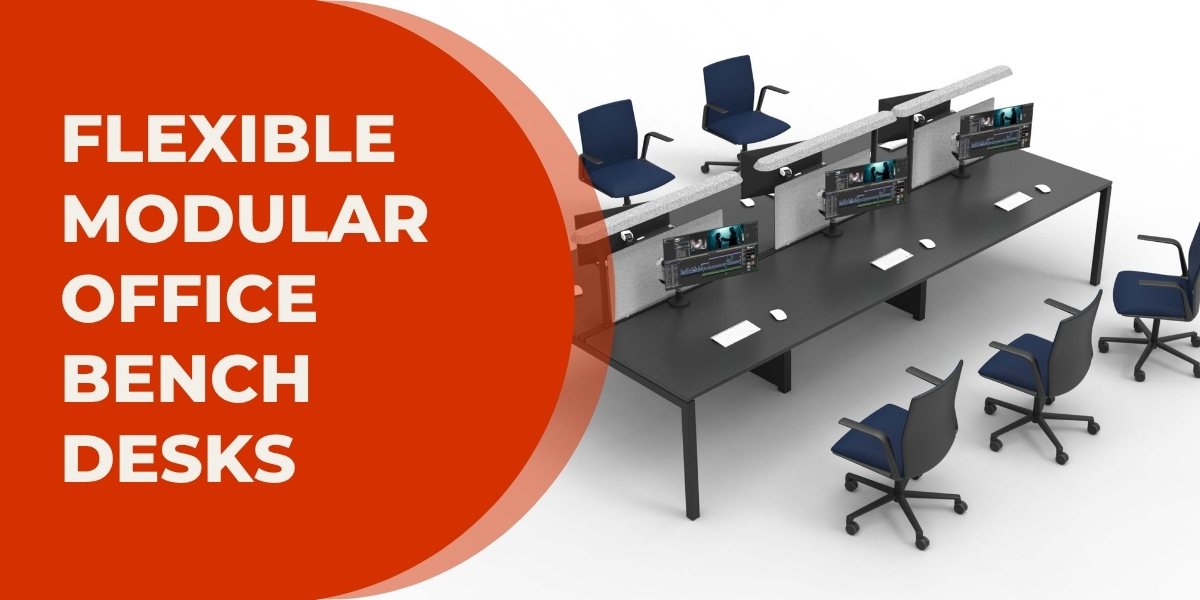
X3 Bench Desk: Flexible Modular Office Desks for Every Workspace

A bench desk is one of the most efficient ways to maximise office space while creating a collaborative working environment....
Read More

How to Lift Items Safely in the Office

Lifting heavy office furniture and equipment can quickly lead to serious back injuries if you use the wrong technique. Whether you’re moving desks during an office relocation or rearranging equipment in a small business workspace, safe manual handling should always come first.

In many small to medium-sized businesses, employees often help with office moves and furniture relocation. While fitting castors to desks, chairs, and storage units can reduce strain, even lighter items can cause muscle injuries if lifted incorrectly.

Follow these safe lifting techniques to protect your back, improve workplace safety, and reduce the risk of injury.

1. Wear the Right Clothing and Footwear

Dress comfortably so you can move and bend freely. Wear shoes with good grip and support to prevent slips, trips, and falls while carrying heavy items.

2. Plan the Lift Before You Start

Before lifting, check your route for obstacles, loose cables, or trip hazards. Decide where you’ll place the item if you need to rest during the move. Planning ahead helps prevent sudden movements and accidents.

3. Keep the Load Close to Your Body

Hold the item as close to your waist as possible. Position the heaviest side nearest to your body to reduce pressure on your spine and improve balance during the lift.

4. Position Your Feet for Stability

Stand with your feet hip-width apart and place one foot slightly in front of the other. This wider stance gives you better balance and control when lifting heavy furniture or office equipment.

5. Maintain a Firm Grip

Secure your grip before lifting. Dropping, jerking, or readjusting a heavy load mid-lift can strain muscles and increase the risk of back injury.

6. Lift with Your Legs, Not Your Back

Bend your hips and knees while keeping your back as straight as possible. Push through your legs as you lift instead of stooping or bending deeply at the waist. Once you begin lifting, avoid twisting or over-flexing your back.

7. Avoid Twisting While Carrying

Keep your shoulders level and move your feet instead of twisting your torso. Turning while carrying a heavy object puts unnecessary stress on your back and spine.

8. Know Your Limits

Never attempt to lift more weight than you can safely manage. If an item feels too heavy or awkward, ask for help or use lifting equipment such as trolleys, dollies, or heavy duty castors.

Reduce Workplace Injuries with Safer Manual Handling

Using proper lifting techniques can help prevent workplace injuries, improve employee safety, and reduce strain during office moves. Simple changes such as using castors, planning lifts carefully, and practising correct posture can make a significant difference.

If you have questions about our products, including heavy duty castors for office furniture and equipment, our friendly team is always happy to help.