A small office does not have to feel cramped, uninspiring or lacking in personality. With the right furniture, layout and design choices, you can turn even a compact workspace into a professional, comfortable and visually impressive environment. The key is to work with the space rather than against it. Space-saving office furniture, clever storage and a considered layout can help you make every square metre count without sacrificing style or functionality. Whether you are designing a small business office, a compact meeting room or a home workspace, these simple ideas can help you make a big impact in a limited space.
1. Create a Centrepiece
Every office needs a focal point. In a large workspace, you might have room for several statement pieces, but a smaller office benefits from choosing one feature and making it count. An executive desk can provide an impressive centrepiece while still giving you a practical workstation. Alternatively, you could make a feature of a particular wall, a statement piece of furniture or a carefully designed seating area. The important thing is to avoid filling the room with competing features. Choose one element that reflects the character of your business and build the rest of the room around it.
2. Use Colour to Define the Space
Small rooms do not automatically need white walls and pale furniture. While lighter colours can help create a bright and open feeling, darker or more dramatic shades can add character and create defined areas within a compact office. For example, you could use a darker colour on one wall to create a visual backdrop for a desk, seating area or bookcase. You can then balance the darker shade with suitable lighting and lighter furniture. The trick is to use colour deliberately. Rather than treating every wall and piece of furniture separately, think about how the different elements work together to create a cohesive small office design.
3. Make Storage Part of the Design
Storage becomes particularly important when you have limited office space. Too little storage leaves equipment, paperwork and personal belongings sitting on desks and floors, quickly making a small room feel even smaller. The solution is not necessarily to add more cupboards. Instead, look for compact office storage solutions that make efficient use of the space you already have. Storage shelving systems can provide valuable storage while also becoming a visual feature within the room. You can also use modular furniture systems to create a storage configuration that fits the available space rather than trying to force standard furniture into an awkward layout. Modular furniture can be particularly useful when the needs of your business are likely to change. You can adapt the configuration as your storage and workspace requirements evolve.
4. Use Different Furniture Heights
Furniture does not all need to sit at the same height. Introducing different levels can create visual interest and make a compact office feel less uniform. It can also allow you to create separate working, meeting and social areas without physically dividing the room. For example, poseur tables can introduce a higher working or meeting surface without taking up the footprint of a conventional table. Different furniture heights can also help draw the eye around the room, making better use of its vertical space.
5. Remember That Less Can Be More
When space is limited, resist the temptation to fill every available area. A small office can quickly feel overcrowded when you add too many desks, chairs, storage units and decorative features. Instead, choose fewer items and make sure each one serves a purpose. A larger statement plant, for example, can have more visual impact than several small plants scattered around the room. Similarly, one well-designed shelving system may work better than several small storage units. This minimalist office design approach can help create a cleaner, more intentional workspace while giving employees enough room to move comfortably.
6. Keep Clutter Under Control
Nothing makes a small office feel smaller than clutter. Loose paperwork, unused equipment, tangled cables and overflowing desk accessories can quickly take over a compact workspace. Keeping surfaces clear can make the room feel more spacious and make it easier for employees to concentrate. Look for ways to build storage into the workstation itself. Under-desk storage drawers can provide convenient storage without taking up additional floor space. They can help keep everyday items close to hand while freeing up the desktop.
Cable management can also make a noticeable difference. Routing cables neatly beneath desks rather than allowing them to trail across floors or surfaces helps create a cleaner and more professional working environment.
7. Make Use of Vertical Space
When you cannot expand outwards, look upwards. Walls provide valuable space for office shelving, storage and display solutions without taking up additional floor area. Wall-mounted storage can help keep documents, equipment and office essentials organised while leaving more floor space available for desks and seating.
Vertical storage can also help draw attention upwards, creating the impression of a taller room. However, avoid covering every available wall. Leaving some open space helps prevent the office from feeling visually crowded.
8. Choose Furniture That Works Hard
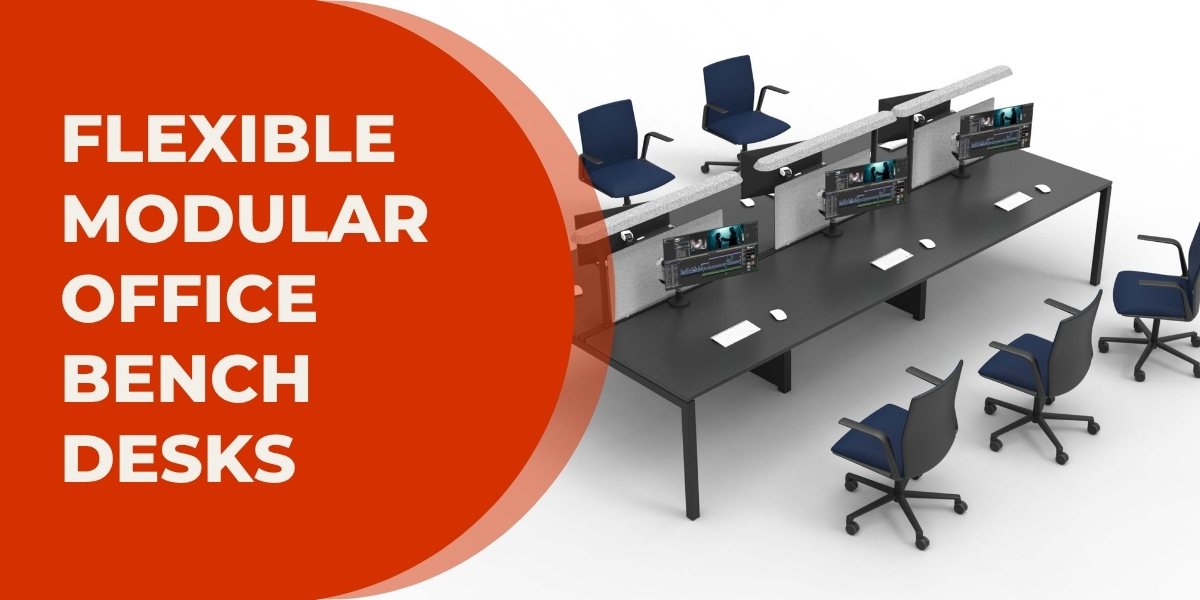
Every piece of furniture needs to earn its place in a compact office. Look for products that combine functionality with a small footprint. Modular furniture, integrated storage and flexible tables can all help you get more from limited floor space. You might also consider furniture that can serve multiple purposes. A high table could provide an informal meeting area, while modular shelving could provide both storage and room division. This approach allows you to create a flexible workspace without needing a large floor plan.
Make Your Small Office Work for You
Creating an impressive office is not about having the biggest room. It is about making thoughtful choices with the space you have. By combining space-saving office furniture, practical storage, carefully selected colours and a clutter-free layout, you can create a workplace that feels professional, comfortable and distinctive — even when floor space is limited.
At BPF Online, we supply a range of office furniture, modular storage, shelving, desks and space-saving office accessories to help businesses make better use of their available space. For more information about any of the products featured in this article, chat with our friendly advisors online.


 FREE UK carriage on orders over £250 nett
 No minimum order value
 Trade discounts
 Order FREE samples online
 Last cut off for overnight: 3pm