BPF Online Blog

FREE UK carriage on orders over £250 nett      No minimum order value      Trade discounts       Order FREE samples online       Last cut off for overnight: 3pm

A Complete Guide to Workplace Hygiene Screens

Workplace hygiene screens provide a practical way to create physical separation between people in offices, reception areas, retail environments, service...
Read More

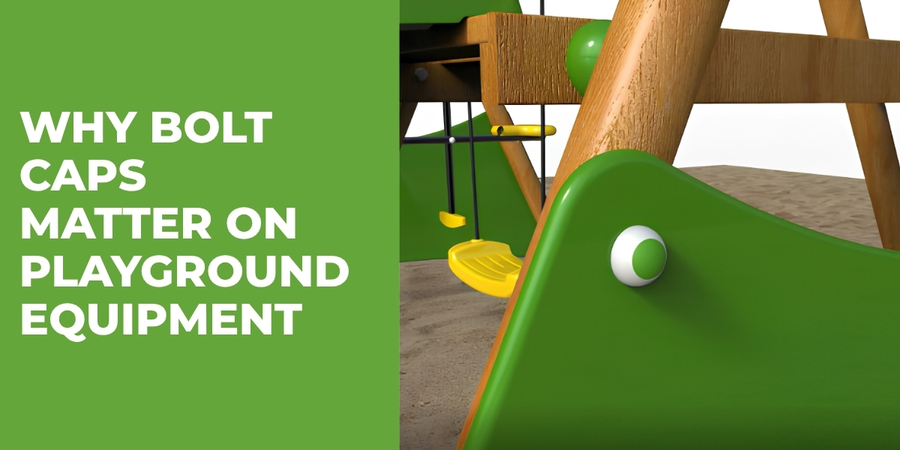
Why Bolt Caps Matter on Playground Equipment

When manufacturers and installers build playground equipment, they need to consider every component, right down to the smallest fixing. Bolts,...
Read More
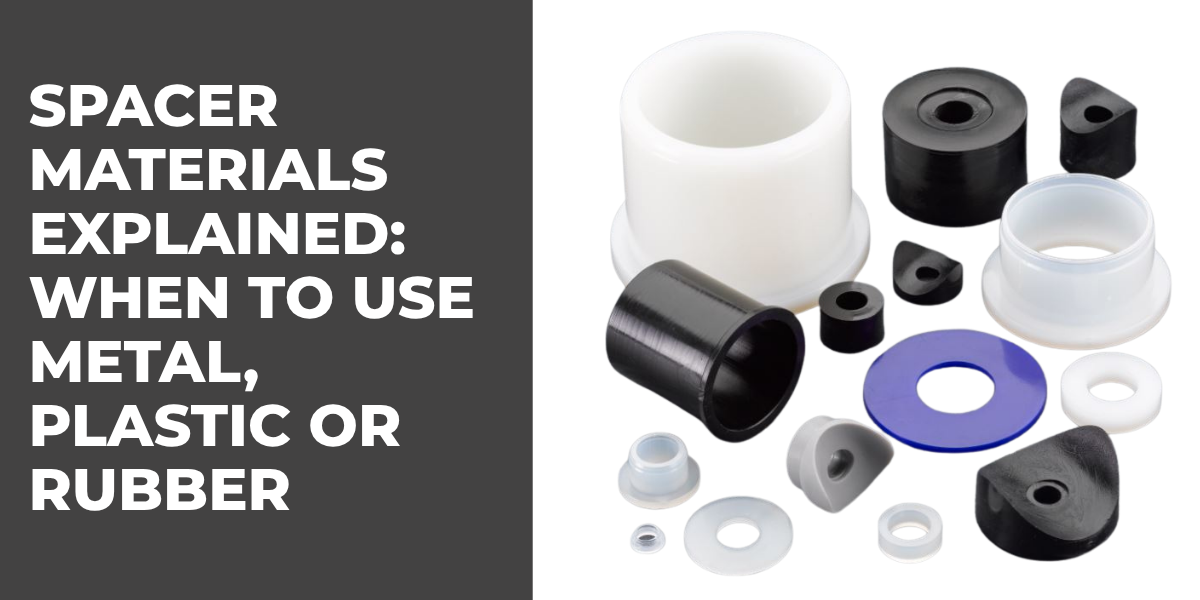
Spacer Materials Explained: When to Use Metal, Plastic or Rubber Spacers

Spacers may look like simple components, but the material you choose can greatly affect how an assembly performs. A spacer...
Read More
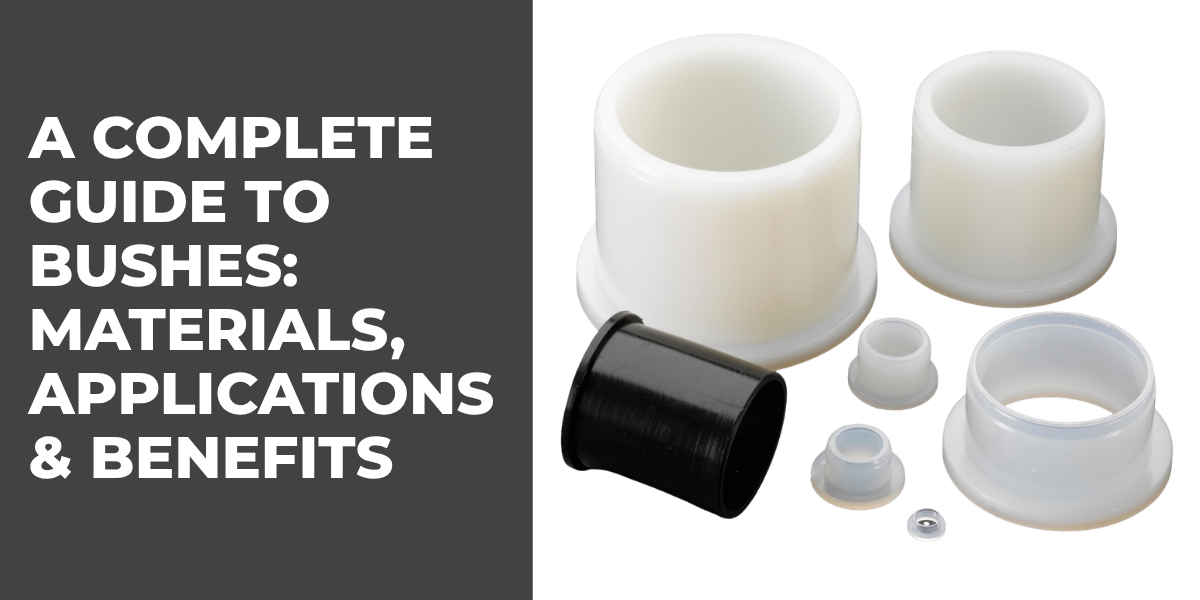
A Complete Guide to Bushes: Materials, Applications & Benefits

Bushes play an important role in mechanical assemblies, helping manufacturers manage movement, reduce friction, protect components and maintain accurate spacing....
Read More
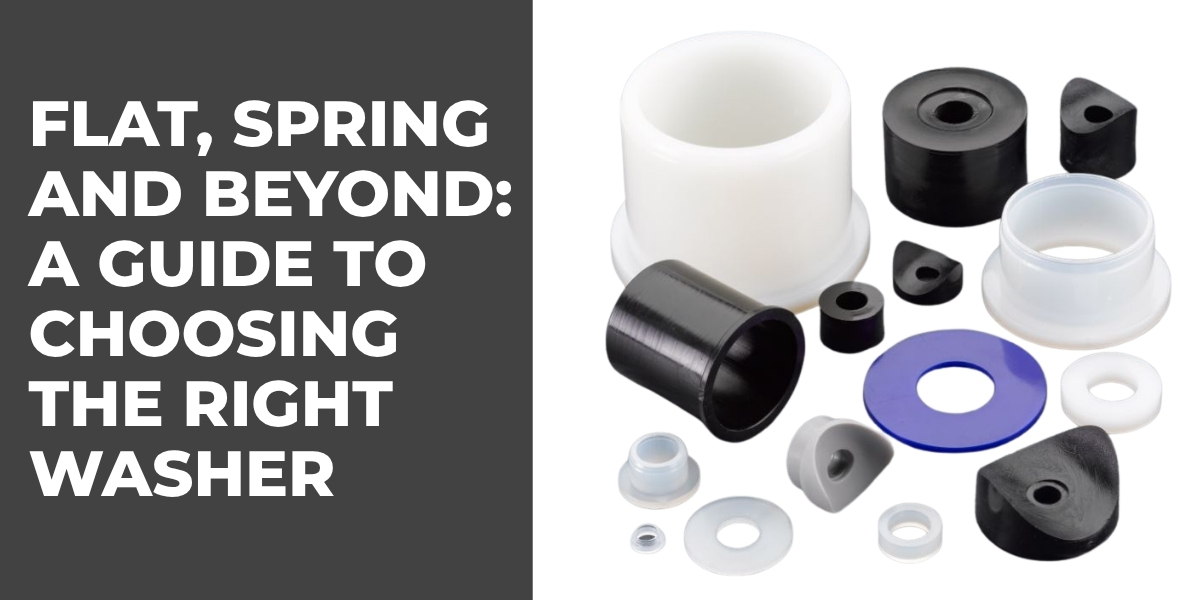
Flat, Spring and Beyond: A Guide to Choosing the Right Washer

Washers are small but essential components used in countless mechanical and industrial assemblies. While a standard flat washer may look...
Read More
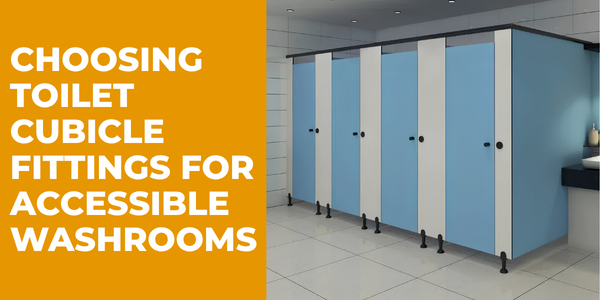
The Importance of Accessibility-Compliant Cubicle Hardware

Choosing Toilet Cubicle Fittings for Accessible Commercial Washrooms Accessibility is an increasingly important consideration when designing commercial washrooms. For architects,...
Read More
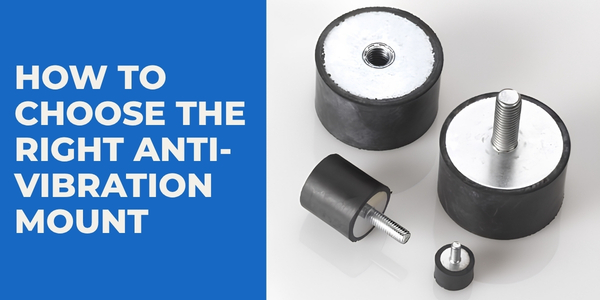
How to Choose the Right Anti-Vibration Mount

Choosing the right anti-vibration mount isn't simply a case of finding a mount that fits. The correct solution needs to...
Read More
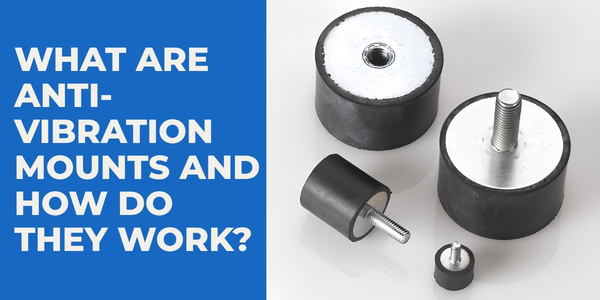
What Are Anti-Vibration Mounts and How Do They Work?

Vibration is an unavoidable part of many mechanical and industrial applications. Motors, pumps, compressors, generators and other machinery naturally move...
Read More
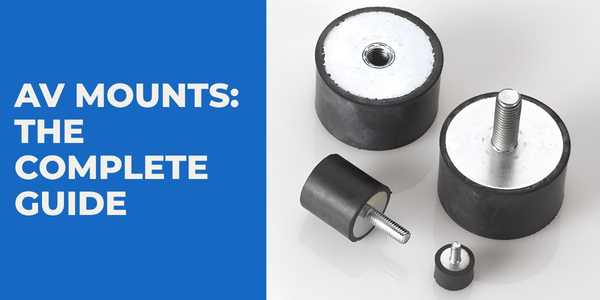
AV Mounts: The Complete Guide

Vibration can be an unavoidable part of operating machinery, equipment and mechanical systems. While some movement is perfectly normal, excessive...
Read More
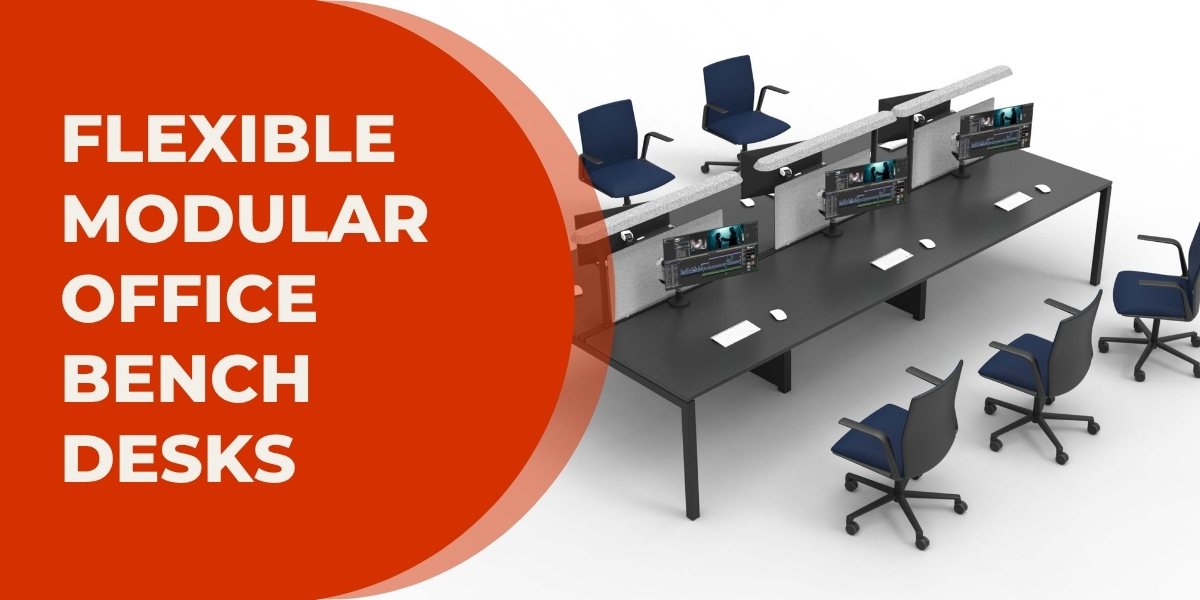
X3 Bench Desk: Flexible Modular Office Desks for Every Workspace

A bench desk is one of the most efficient ways to maximise office space while creating a collaborative working environment....
Read More
Meet our new industrial castors

The Ultimate Guide to Industrial Castors

What Is an Industrial Castor?

An industrial castor is a wheeled device typically mounted to the bottom of equipment or machinery. Above all, castors facilitate mobility, stability, and load handling in demanding environments. Unlike general-purpose wheels, industrial castors are engineered for higher load capacities, tougher floor conditions, and frequent use in factory, warehouse, medical, or commercial settings.

Other Names for Industrial Castors

Castors are known by different names across industries and regions. Some of the most common alternatives include:

  • Caster wheels (common in the U.S.)
  • Swivel wheels or trolley wheels
  • Machine feet (when integrated into levelling systems)
  • Mobility components
  • Rollers (sometimes used interchangeably, though technically different)

Common Applications & Industries

Industrial castors play a vital role in enhancing mobility, improving ergonomics, and optimising material handling across various industry sectors. Engineered for durability and smooth movement, these castor wheels support various equipment and systems in demanding environments.

  • Manufacturing: Industrial castors support mobile workbenches, conveyor systems, tool trolleys, and heavy-duty machinery, enabling efficient production and layout flexibility.
  • Warehousing and Logistics: Heavy-duty castor wheels make it easy to move pallet carts, platform trolleys and dollies, streamlining goods handling and order fulfilment.
  • Medical and Laboratory: Precision medical castors ensure the safe, smooth movement of hospital beds, diagnostic equipment, and lab trolleys in clinical and sterile environments.
  • Food Processing: Stainless steel and high-temperature castors are ideal for wash-down tables, prep stations, and mobile kitchen equipment in hygienic food production areas.
  • Aerospace and Defence: Specialised industrial castors provide reliable mobility for ground support equipment, tooling fixtures, and custom transport units in high-spec sectors.
  • Retail and Commercial: Display stands, mobile kiosks, point of sale units, and stockroom carts rely on swivel castors and braked wheels for easy repositioning and safety.

Types of Industrial Castors

Choosing the right industrial castor involves understanding the different types based on movement, mounting style, and wheel material. Each configuration plays a critical role in ensuring optimal performance in specific applications.

Castors by Movement:

  • Swivel Castors rotate 360°, allowing for high manoeuvrability in tight spaces, ideal for trolleys, carts, and mobile workstations.
  • Fixed (Rigid) Castors roll in a straight line, offering directional stability. They are often paired with swivel castors to balance control and mobility.
  • Braked Castors include an integrated locking mechanism that prevents wheel movement, providing added safety when stationary.
  • Total Lock Castors lock both the wheel and the swivel head simultaneously, ensuring complete stability on uneven or inclined surfaces.

Industrial Castors by Mounting:

  • Top Plate Mounting features a square or rectangular mounting plate with bolt holes, making it a strong and secure option for heavy-duty applications.
  • Stem Mounting uses threaded, grip ring, or round stems to insert directly into tubing commonly found on furniture or display units.
  • Bolt Hole Mounting use a single central hole for fast and simple installation, ideal for lightweight or temporary setups.

By Wheel Material:

  • Polyurethane (PU) Wheels offer a quiet, non-marking, and wear-resistant solution, perfect for smooth floors and indoor use.
  • Nylon castor wheels provide high load capacity and strong resistance to chemicals, making them suitable for industrial and warehouse environments.
  • Rubber wheels deliver excellent shock absorption and quiet operation, ideal for sensitive equipment or uneven surfaces.
  • Cast iron wheels are extremely robust and withstand tough conditions, often used in factories or outdoors on rough flooring.
  • Phenolic wheels resist heat and impact, making them suitable for high-temperature settings such as bakeries or manufacturing ovens.

Specialised Castor Types:

  • Heavy-duty castors are designed to support extremely high load capacities, typically ranging from 500 kilograms to several tons, making them ideal for industrial and manufacturing environments where strength and durability are essential.
  • Levelling castors combine the benefits of mobility with the stability of adjustable feet, allowing equipment to be easily moved and then securely levelled in place for precise operation.

A Quick History of Industrial Castors

The modern industrial castor began to emerge in the 18th and 19th centuries as furniture and machinery required greater mobility. In 1876, David A. Fisher patented an early swivel castor design in the US, paving the way for more advanced, manoeuvrable solutions.

During the Industrial Revolution, the rise of factory systems drove innovation in castor design. By the 20th century, materials like rubber, polyurethane, and stainless steel enabled specialist castor wheels for demanding applications across medical, food processing, and high-temperature environments. Today, castors are precision-engineered and safety-tested, and play a vital role in improving mobility, ergonomics, and efficiency across industries.

Choosing the Right Industrial Castor:

  • Firstly, determine load capacity requirements by assessing both static and dynamic loads to ensure safe, long-lasting performance.
  • Secondly, match castor wheel material to floor surface – use rubber castors for tiles or delicate flooring, and nylon castors for concrete or rough surfaces.
  • Then select appropriate mobility features by choosing between swivel castors for high manoeuvrability, fixed castors for straight-line movement, or braked castors for added control and safety.
  • Assess environmental conditions such as exposure to heat, moisture, chemicals, or contamination to choose a castor that can withstand challenging settings.
  • Ensure mounting compatibility by selecting the correct fitting type (top plate, stem, or bolt hole) to match your existing equipment or framework.

Need Help Selecting the Right Castor?

The BPF Online team is here to provide technical advice, custom sourcing, and application support. Contact us via live chat today for support.