BPF Online Blog

FREE UK carriage on orders over £250 nett      No minimum order value      Trade discounts       Order FREE samples online       Last cut off for overnight: 3pm

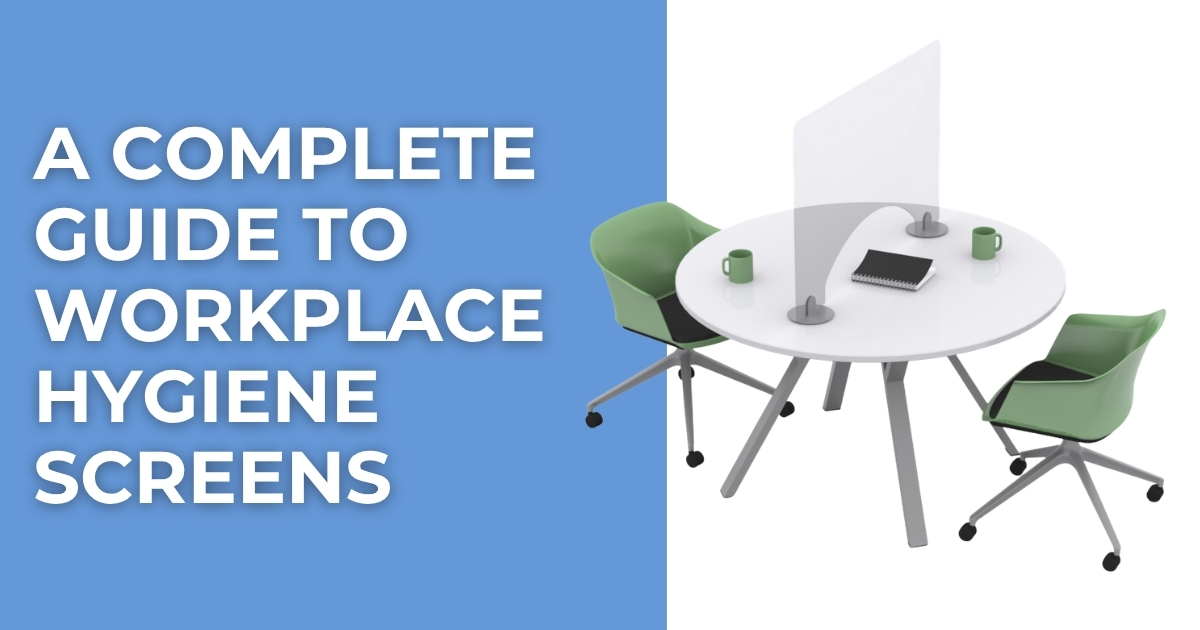
A Complete Guide to Workplace Hygiene Screens

Workplace hygiene screens provide a practical way to create physical separation between people in offices, reception areas, retail environments, service...
Read More

Why Bolt Caps Matter on Playground Equipment

When manufacturers and installers build playground equipment, they need to consider every component, right down to the smallest fixing. Bolts,...
Read More
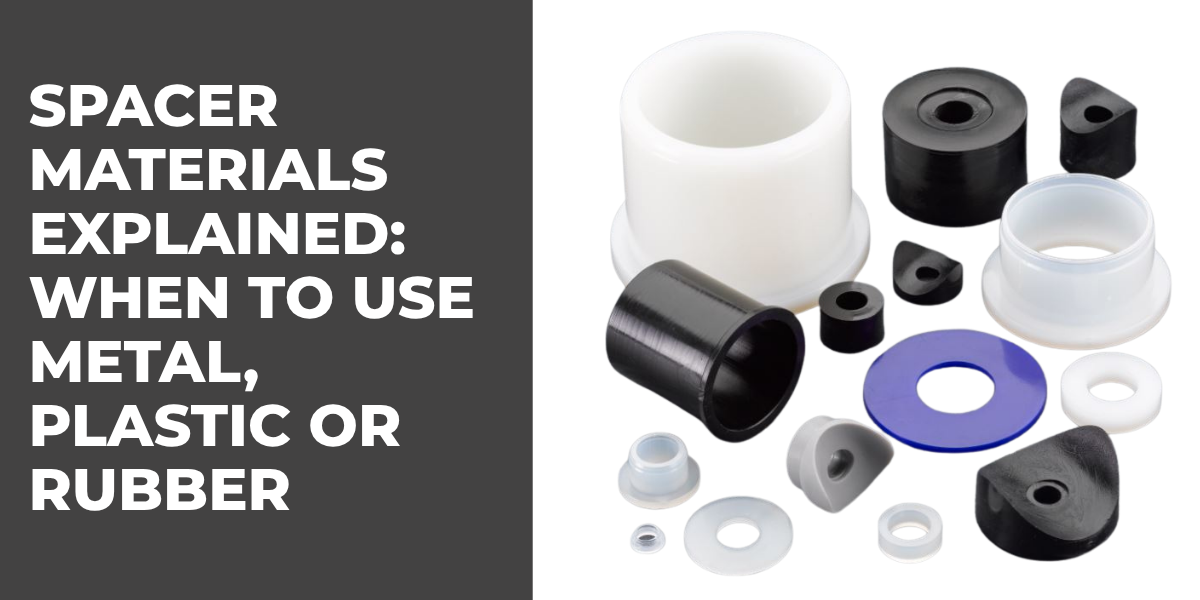
Spacer Materials Explained: When to Use Metal, Plastic or Rubber Spacers

Spacers may look like simple components, but the material you choose can greatly affect how an assembly performs. A spacer...
Read More
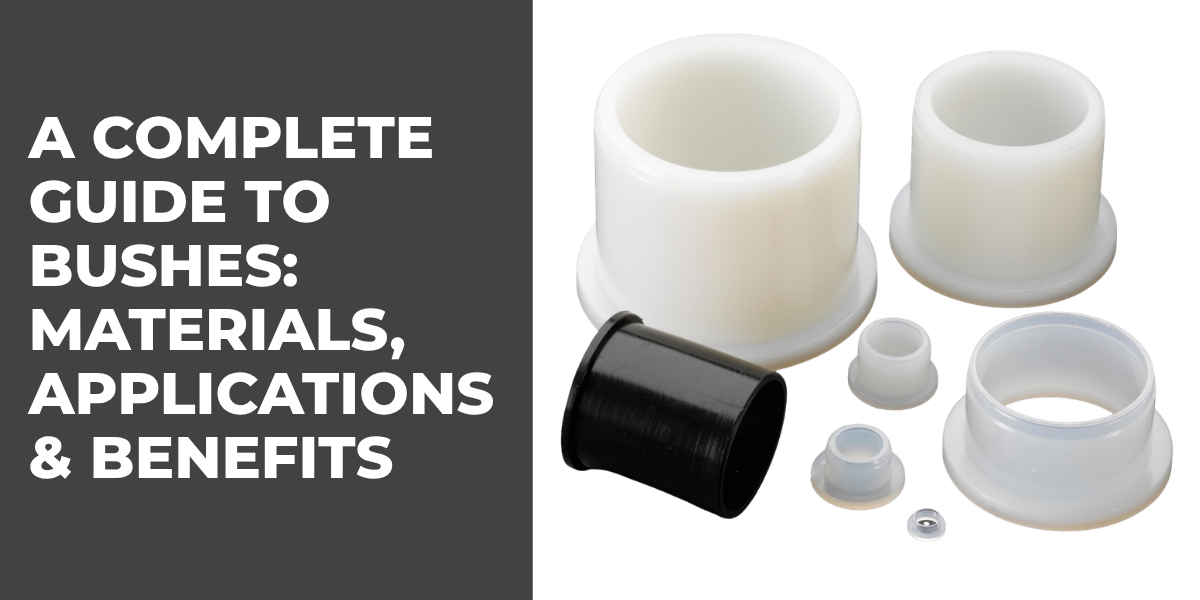
A Complete Guide to Bushes: Materials, Applications & Benefits

Bushes play an important role in mechanical assemblies, helping manufacturers manage movement, reduce friction, protect components and maintain accurate spacing....
Read More
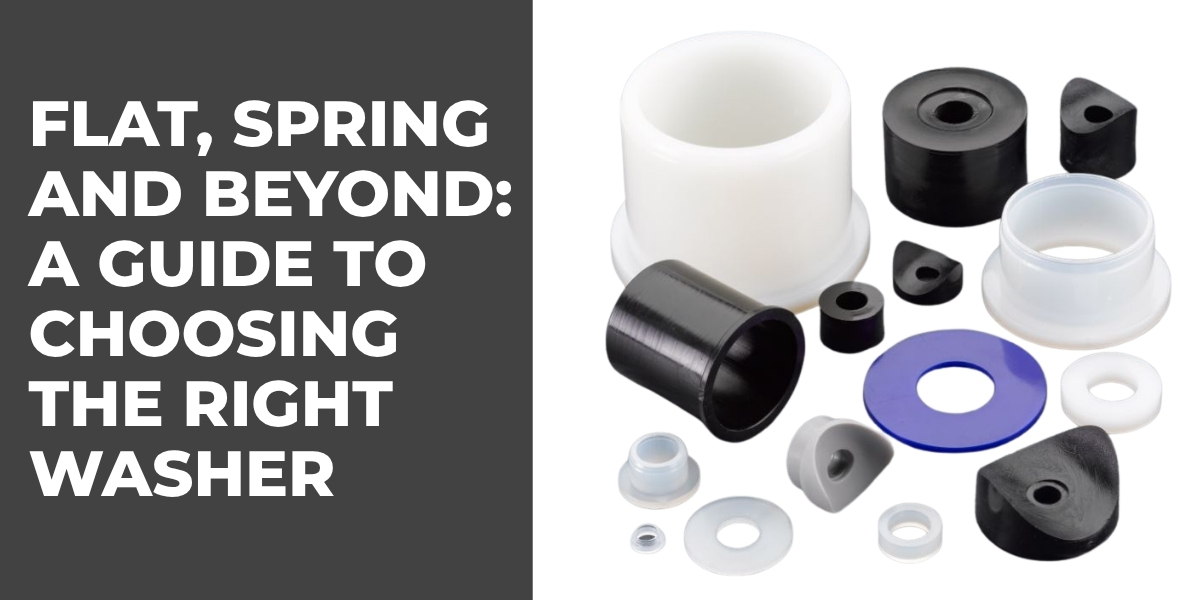
Flat, Spring and Beyond: A Guide to Choosing the Right Washer

Washers are small but essential components used in countless mechanical and industrial assemblies. While a standard flat washer may look...
Read More
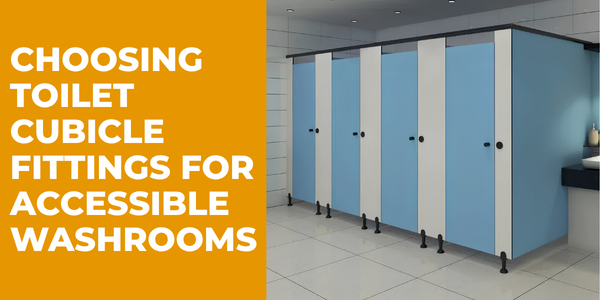
The Importance of Accessibility-Compliant Cubicle Hardware

Choosing Toilet Cubicle Fittings for Accessible Commercial Washrooms Accessibility is an increasingly important consideration when designing commercial washrooms. For architects,...
Read More
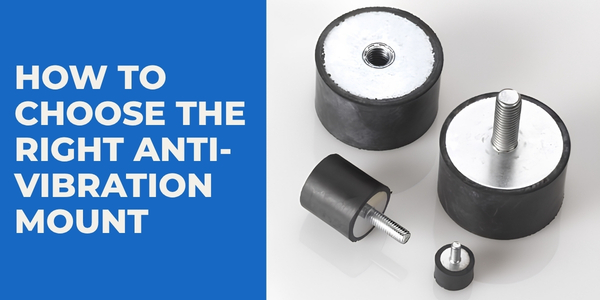
How to Choose the Right Anti-Vibration Mount

Choosing the right anti-vibration mount isn't simply a case of finding a mount that fits. The correct solution needs to...
Read More
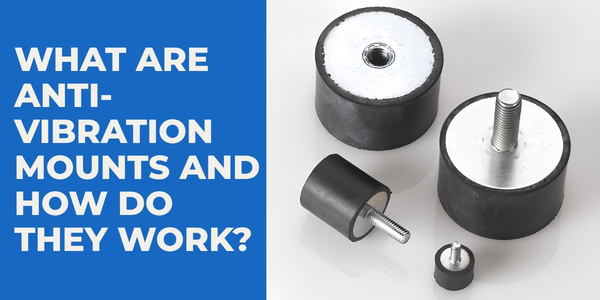
What Are Anti-Vibration Mounts and How Do They Work?

Vibration is an unavoidable part of many mechanical and industrial applications. Motors, pumps, compressors, generators and other machinery naturally move...
Read More
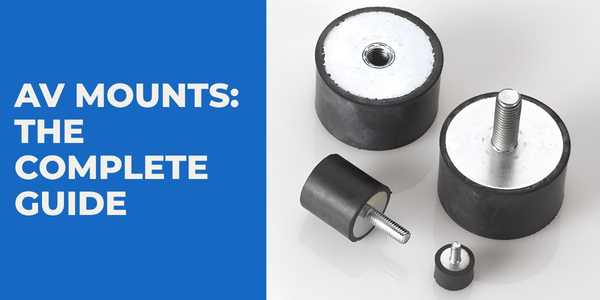
AV Mounts: The Complete Guide

Vibration can be an unavoidable part of operating machinery, equipment and mechanical systems. While some movement is perfectly normal, excessive...
Read More
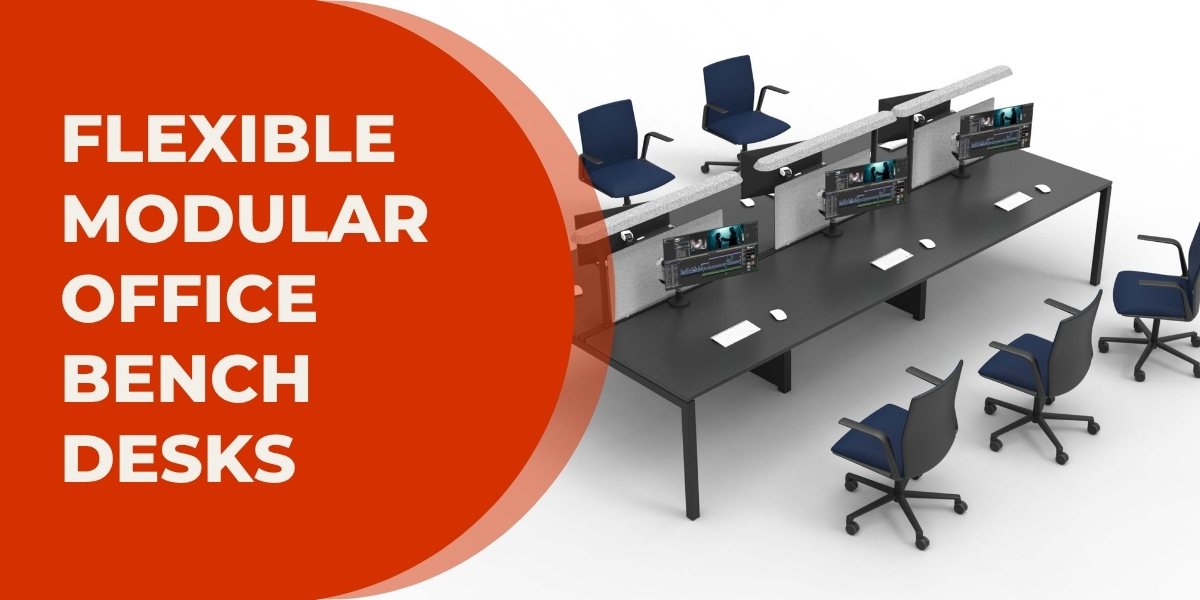
X3 Bench Desk: Flexible Modular Office Desks for Every Workspace

A bench desk is one of the most efficient ways to maximise office space while creating a collaborative working environment....
Read More
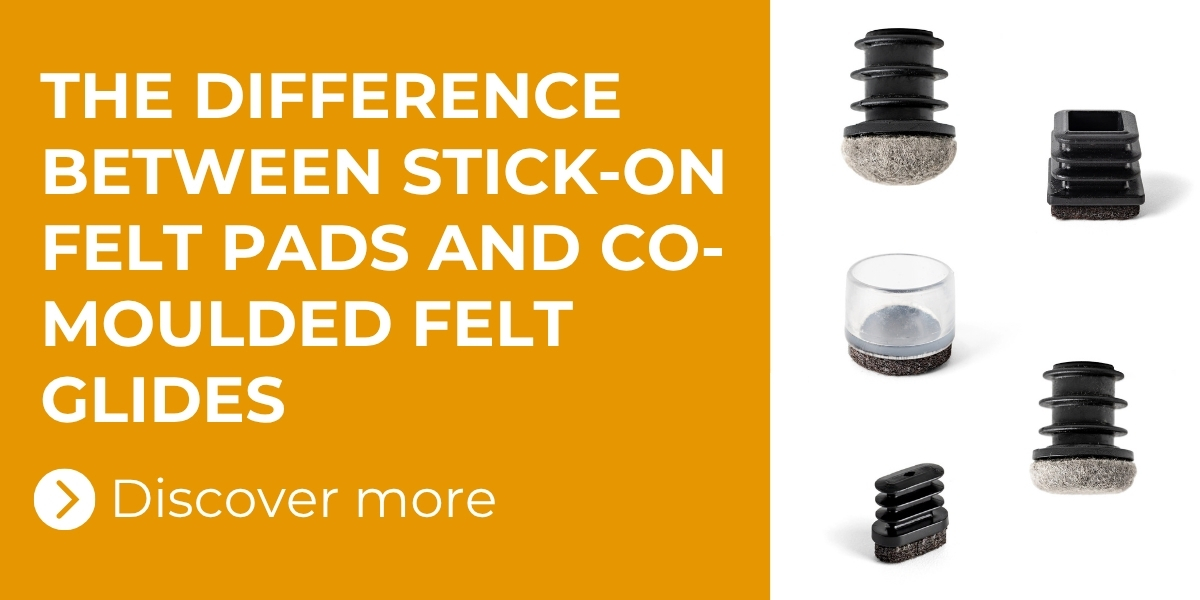
What’s the Difference Between Stick-On Felt Pads and Co-Moulded Felt Glides?

What’s the Difference Between Stick-On Felt Pads and Co-Moulded Felt Glides?

What’s the Difference Between Stick-On Felt Pads and Co-Moulded Felt Glides?

When it comes to protecting hard flooring from scratches, scuffs and everyday wear, felt pads are one of the most commonly used solutions. However, not all felt-based floor protectors are created equal. Two of the most popular options are traditional stick-on felt pads and co-moulded felt glides. While both are designed to help furniture glide smoothly and reduce damage to flooring, there are significant differences in terms of durability, performance, maintenance and long-term value.

In this guide, we’ll explain the key differences between the two and help you choose the best option for your furniture application.

What Are Stick-On Felt Pads?

Stick-on felt pads are adhesive-backed protectors that attach to the underside of furniture legs.

They are commonly used on:

  • chairs
  • tables
  • stools
  • sofas
  • cabinets
  • decorative furniture

These pads are widely available and are often seen as a quick, low-cost solution for preventing scratches on:

  • wood flooring
  • laminate
  • tile
  • vinyl

They are usually applied directly to flat furniture feet or leg ends using a peel-and-stick adhesive backing.

What Are Co-Moulded Felt Glides?

Co-moulded felt inserts are designed specifically for tubular furniture legs and metal frame furniture. Rather than sticking to the outside of the leg, the insert itself is push-fitted into the open end of the tube, with the felt pad permanently integrated into the base of the insert. This creates a single, durable component that provides both a neat finish to the tube end and reliable floor protection.

They are commonly used on:

  • metal chairs
  • tubular tables
  • café furniture
  • office seating
  • school furniture
  • hospitality frames

The Main Difference: Adhesive vs Integrated Design

The biggest difference is how the felt is attached.

Stick-On Felt Pads

The felt is attached using adhesive.

Over time, this adhesive can:

  • weaken
  • peel away
  • collect dust
  • lose grip
  • detach completely

This is especially common in environments where furniture is moved frequently.

Co-Moulded Felt Inserts

The felt is permanently built into the insert during manufacture. Because it is co-moulded into the component itself, it cannot peel off in the same way. This makes it a far more reliable and maintenance-free solution.

Which Option Lasts Longer?

In most applications, co-moulded felt glides last significantly longer. Stick-on felt pads are often suitable for occasional domestic use, but repeated movement quickly causes wear.

For example, dining chairs that are moved several times a day can wear through adhesive pads relatively quickly. By contrast, co-moulded inserts are designed for repeated movement and high-use environments.

This makes them ideal for:

  • offices
  • restaurants
  • schools
  • hotels
  • commercial furniture

Which Offers Better Floor Protection?

Both options help reduce scratches, but co-moulded inserts typically provide more consistent protection over time. The problem with stick-on pads is that once the adhesive starts lifting, dirt and grit can become trapped underneath, which can actually increase the risk of floor marking. Because co-moulded inserts stay securely in place, they continue to provide reliable protection even with regular use.

This is especially important on:

  • hardwood floors
  • laminate
  • luxury vinyl tile (LVT)
  • polished tile

Noise Reduction and Smooth Movement

One of the biggest benefits of felt-based furniture glides is noise reduction. Stick-on pads can help reduce scraping noise initially, but as they wear down, performance decreases. Co-moulded felt inserts maintain a more consistent contact surface, allowing furniture to glide smoothly and quietly across hard floors. This makes them a popular choice for environments where noise control matters, such as offices, meeting rooms and hospitality spaces.

Appearance and Finish

A key advantage of co-moulded inserts is the professional finish they provide. Because the insert closes the open end of the tube, it creates a clean, finished appearance while also protecting the floor. Stick-on pads, while practical, do not offer this same aesthetic benefit. For furniture manufacturers and commercial fit-out projects, this cleaner finish can make a noticeable difference.

Which Is Better for Commercial Use?

For commercial furniture, co-moulded felt glides are almost always the better choice.

They offer:

  • greater durability
  • reduced maintenance
  • better longevity
  • improved appearance
  • consistent floor protection

This reduces replacement frequency and long-term costs.

Conclusion

If you need a quick, short-term solution for occasional use, stick-on felt pads may be suitable. However, for long-lasting performance, better floor protection and a more professional finish, co-moulded felt glides are the superior option. They are particularly well suited to chairs, tables and tubular metal furniture that is moved regularly. For businesses, manufacturers and high-traffic environments, they offer a smarter long-term investment.

If you have any questions about our products, our friendly advisors will be here to help you. You can chat with a BPF Online product advisor through our website, or call us on 01295 678614.