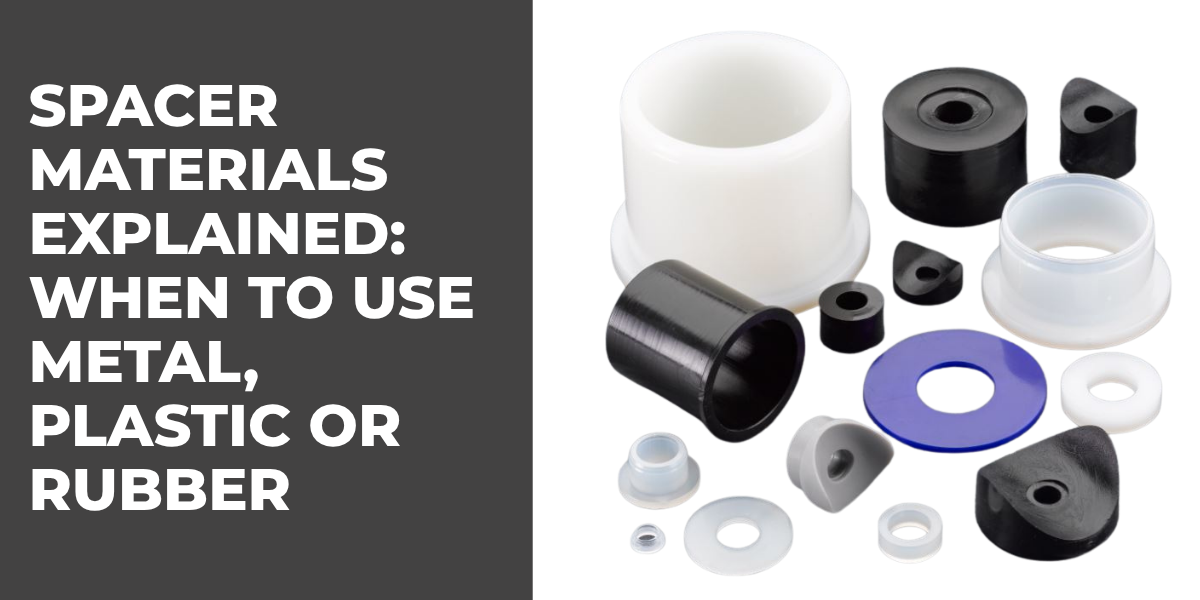
Spacers may look like simple components, but the material you choose can greatly affect how an assembly performs. A spacer can maintain a precise gap between components, improve alignment, prevent contact, provide electrical insulation or support a load. Choosing the wrong material can lead to premature wear, deformation, corrosion or poor performance. Manufacturers produce spacers from a wide range of materials, with metal, plastic and rubber among the most common options. Each material offers different properties, making it better suited to certain applications.
In this guide, we explain the key differences between metal, plastic and rubber spacers and help you decide which material best suits your application.
What Is a Spacer?
A spacer is a component that creates and maintains a specific distance between two or more parts. Spacers commonly feature a central hole that allows a bolt, screw, shaft or other fastener to pass through.
Manufacturers use spacers across engineering, manufacturing, furniture, electrical equipment, machinery and construction. Depending on the design and material, a spacer can:
- Maintain a fixed distance between components
- Improve component alignment
- Prevent parts from making direct contact
- Protect surfaces from damage
- Provide electrical insulation
- Reduce vibration and noise
- Support mechanical loads
- Create clearance around fasteners, shafts or cables
You can also find spacers described as spacer bushes, spacer sleeves, tube spacers or standoffs, depending on their shape and application.
Why Does Spacer Material Matter?
The material directly affects how a spacer behaves under load, movement, temperature and environmental exposure. For example, a metal spacer can provide high strength and rigidity, while a plastic spacer can offer electrical insulation and corrosion resistance. A rubber spacer can absorb vibration and accommodate movement.
Before choosing a spacer, consider the conditions it will experience. Ask yourself:
- How much load will the spacer support?
- Will the components move?
- Does the application experience vibration?
- Will the spacer encounter moisture or chemicals?
- Does the assembly require electrical insulation?
- What operating temperature will the spacer experience?
- Does the spacer need to remain rigid or provide flexibility?
- Will the spacer sit between metal components that could corrode?
Once you understand these requirements, you can select a material that provides the right combination of strength, durability and performance.
Plastic Spacers
Plastic spacers offer a lightweight and versatile solution for many applications. They can provide good wear resistance, corrosion resistance and electrical insulation without adding the weight of a metal component. Manufacturers produce plastic spacers from materials including nylon, polypropylene, polyethylene and other engineering plastics. Each plastic offers different performance characteristics, so you should select a material based on the requirements of the application.
When Should You Use Plastic Spacers?
Plastic spacers work particularly well when you need:
- Electrical insulation
- Lightweight components
- Corrosion resistance
- Protection against surface damage
- Separation between metal components
- A cost-effective spacing solution
- Resistance to certain chemicals
Plastic spacers can also prevent metal-on-metal contact, helping to protect finished surfaces and reduce the risk of unwanted electrical conductivity.
Nylon Spacers
These spacers are particularly popular across electrical, electronic, furniture and general engineering applications. Nylon combines good mechanical strength with low weight and electrical insulation. It also provides good wear resistance, making nylon spacers and spacer bushes suitable for a wide variety of assemblies. If you need to separate an electrical component from a conductive mounting surface, a nylon spacer can provide both the required clearance and insulation.
Metal Spacers
Metal spacers provide strength, rigidity and durability, making them a popular choice for demanding mechanical and engineering applications. Manufacturers commonly produce metal spacers from materials such as steel, stainless steel, aluminium, brass and other metal alloys. Each material offers different characteristics, so you should select the most appropriate option for the environment and application.
When Should You Use Metal Spacers?
Choose a metal spacer when your application requires:
- High mechanical strength
- Rigidity and dimensional stability
- Resistance to heavy loads
- Durable mechanical performance
- Accurate and consistent spacing
- Resistance to higher operating temperatures
Metal spacers work particularly well in machinery, engineering assemblies, structural frameworks and other applications where the spacer needs to withstand significant mechanical forces.
Stainless Steel Spacers
Stainless steel spacers provide the strength of metal alongside excellent corrosion resistance. This makes them particularly useful in environments exposed to moisture, humidity or corrosive conditions. You can use stainless steel spacers in industrial equipment, outdoor applications, marine environments and assemblies where you need long-term durability.
Aluminium Spacers
Aluminium spacers provide a lightweight alternative to steel. They offer good strength while reducing overall component weight, making them useful in applications where weight matters. Manufacturers commonly use aluminium spacers in engineering, electronics, machinery and equipment assemblies.
Rubber Spacers
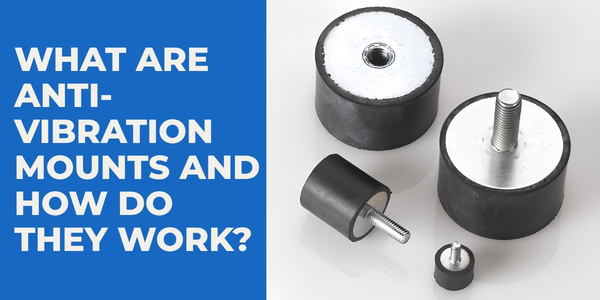
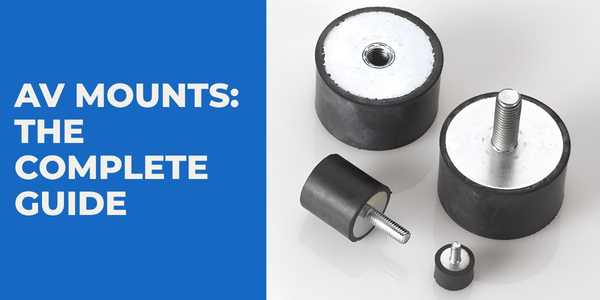
Rubber spacers perform a different role from rigid metal and plastic spacers. Instead of simply maintaining a fixed distance, rubber can absorb movement, vibration and shock. This makes rubber spacers particularly useful when you need to isolate one component from another.
When Should You Use Rubber Spacers?
Consider rubber spacers when your application requires:
- Vibration isolation
- Shock absorption
- Noise reduction
- Flexibility
- Cushioning between components
- Protection against impact or movement
Rubber spacers can help prevent vibrations from travelling through an assembly. This makes them useful in machinery, equipment, automotive applications and other environments where unwanted movement or noise could affect performance. Different rubber compounds offer different levels of flexibility, temperature resistance and chemical resistance, so always select a suitable material for the operating environment.
Metal, Plastic or Rubber: Which Is Right for You?
The best spacer material depends on the job you need it to perform.
- Choose metal spacers when you need high strength, rigidity and dimensional stability. Metal provides a durable solution for heavy-duty mechanical applications and environments where the spacer needs to withstand significant loads.
- Choose plastic or nylon spacers when you need lightweight components, electrical insulation, corrosion resistance or surface protection. Plastic can also provide an effective way to separate components and prevent metal-on-metal contact.
- Choose rubber spacers when you need to absorb vibration, reduce noise, provide cushioning or accommodate movement. Rubber’s flexibility makes it particularly useful for applications where rigid materials could transfer unwanted vibration or impact.
The operating environment also matters. Consider factors such as temperature, moisture, chemicals, UV exposure and mechanical stress before choosing your spacer material.
Other Factors to Consider
Material represents just one part of the selection process. You also need to choose the correct spacer size, shape and design for your assembly.
Internal and Outside Diameter
Check the internal diameter when a spacer needs to accommodate a bolt, screw or shaft. Make sure the outside diameter provides enough contact with the surrounding components.
Length
The spacer length determines the distance between components. Choose a length that provides the required clearance without compromising the strength or stability of the assembly.
Load
Consider the amount and type of load the spacer will experience. A spacer that supports a static load may require different properties from one that experiences repeated movement or vibration.
Temperature
Check the operating temperature before selecting a material. Some plastics and rubbers can lose their mechanical properties at elevated temperatures, while metals generally tolerate higher temperatures.
Environment
Moisture, chemicals, oils, UV exposure and other environmental factors can affect spacer performance. Choose a material with suitable resistance for the conditions in which you will use it.
Spacers vs Spacer Bushes
You may see the terms spacer and spacer bush used interchangeably, but they can describe slightly different components. A spacer primarily maintains a specific distance between components. A spacer bush can perform the same function while also providing additional support, insulation or protection around a fastener or shaft. The terminology often depends on the industry and application, so consider the component’s dimensions and intended function rather than relying solely on its name.
Which Spacer Material Should You Choose?
There isn’t one material that works for every application.
- Choose metal spacers when you need high strength, rigidity and dimensional stability.
- Choose plastic or nylon spacers when you need lightweight components, electrical insulation, corrosion resistance or surface protection.
- Choose rubber spacers when you need to absorb vibration, reduce noise or accommodate movement.
For some applications, you may need to balance several of these properties. For example, a nylon spacer can provide electrical insulation while maintaining accurate spacing, whereas a rubber spacer can isolate a component from vibration.
Choosing the Right Spacer for Your Application
Selecting the correct spacer material can help you create a stronger, more reliable and longer-lasting assembly. Start by considering the load, movement, temperature and environment, then choose a material that can withstand those conditions.
At BPF, we supply a range of spacers, spacer bushes and associated components in different materials, sizes and configurations. Whether you need a rigid metal spacer, an insulating nylon spacer or a flexible rubber solution, choosing the correct component can help improve the performance and reliability of your finished assembly. Contact our team for advice on selecting a suitable solution for your application.


 FREE UK carriage on orders over £250 nett
 No minimum order value
 Trade discounts
 Order FREE samples online
 Last cut off for overnight: 3pm