BPF Online Blog

FREE UK carriage on orders over £250 nett      No minimum order value      Trade discounts       Order FREE samples online       Last cut off for overnight: 3pm

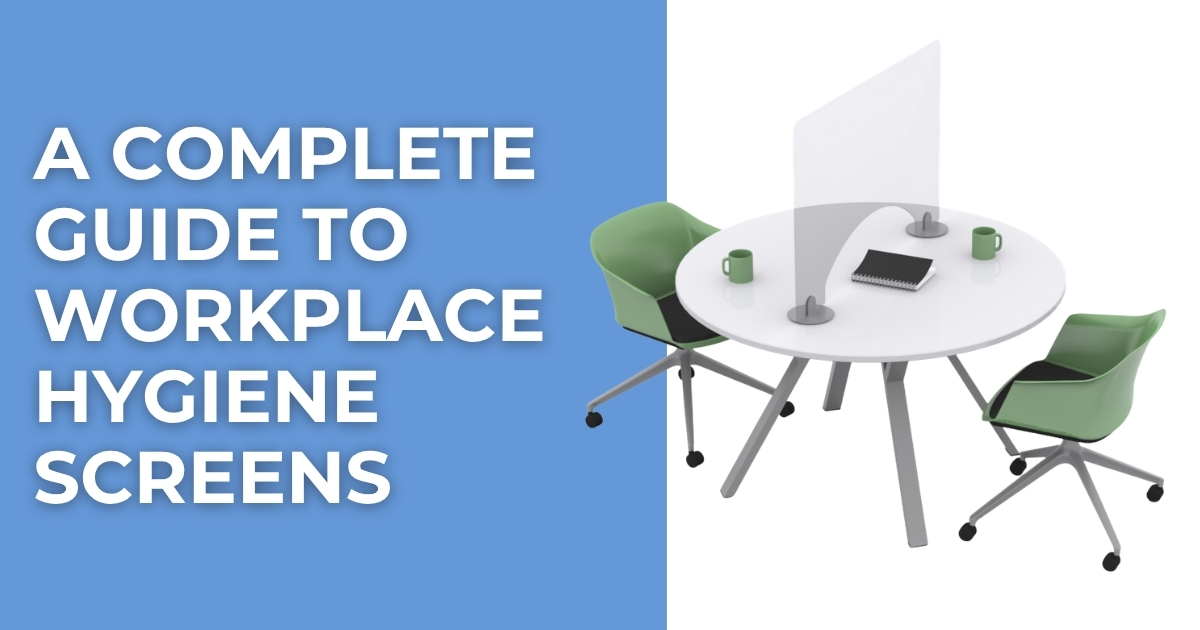
A Complete Guide to Workplace Hygiene Screens

Workplace hygiene screens provide a practical way to create physical separation between people in offices, reception areas, retail environments, service...
Read More

Why Bolt Caps Matter on Playground Equipment

When manufacturers and installers build playground equipment, they need to consider every component, right down to the smallest fixing. Bolts,...
Read More
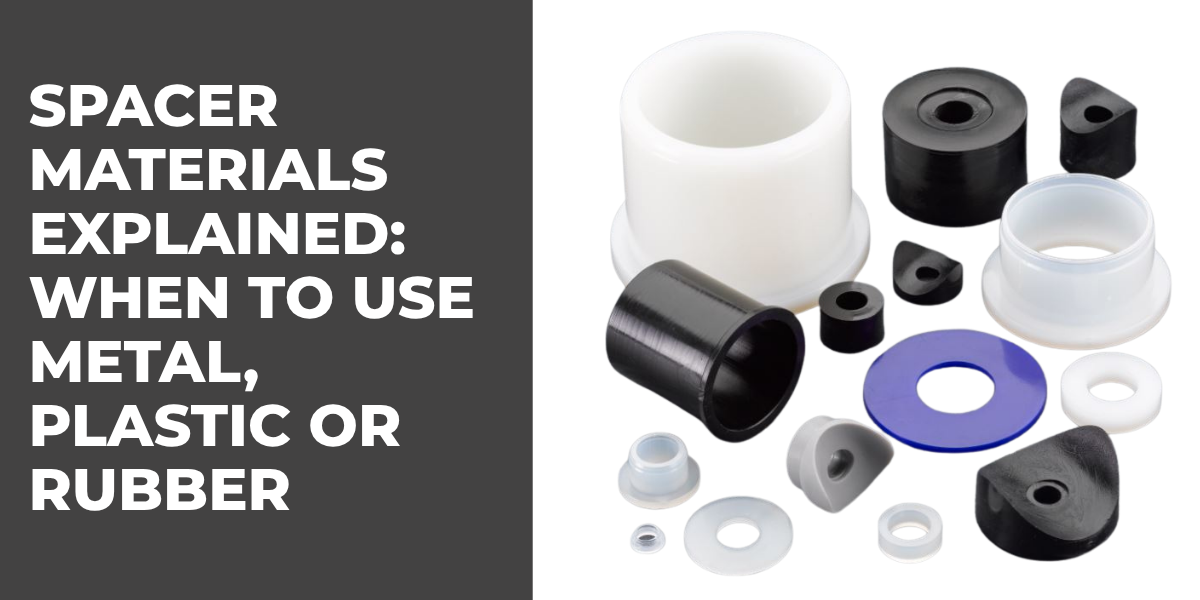
Spacer Materials Explained: When to Use Metal, Plastic or Rubber Spacers

Spacers may look like simple components, but the material you choose can greatly affect how an assembly performs. A spacer...
Read More
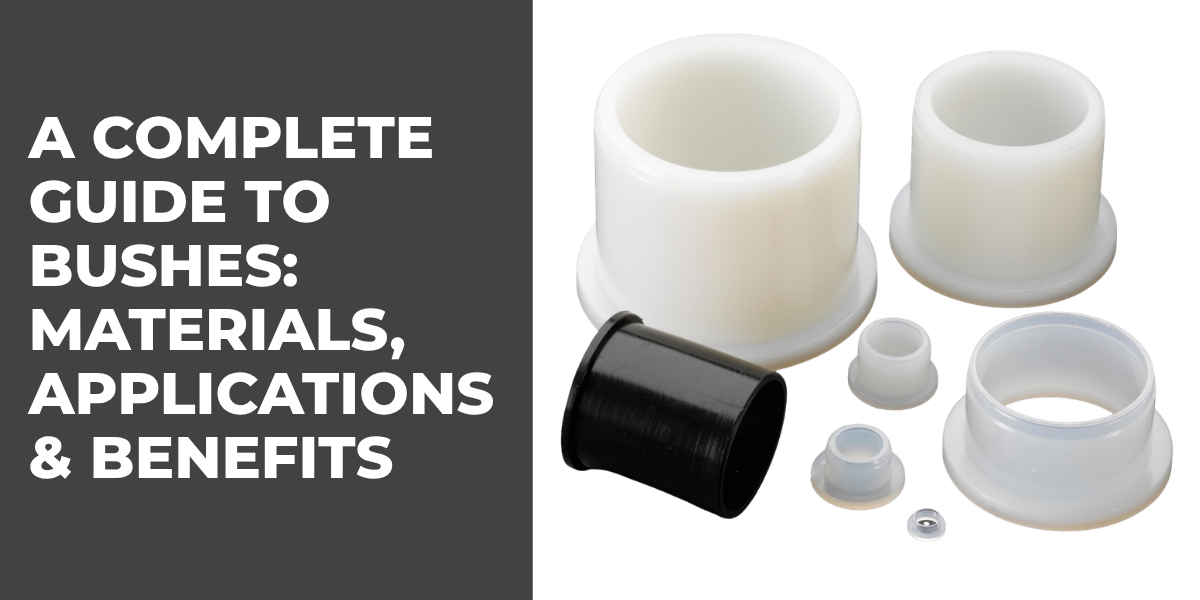
A Complete Guide to Bushes: Materials, Applications & Benefits

Bushes play an important role in mechanical assemblies, helping manufacturers manage movement, reduce friction, protect components and maintain accurate spacing....
Read More
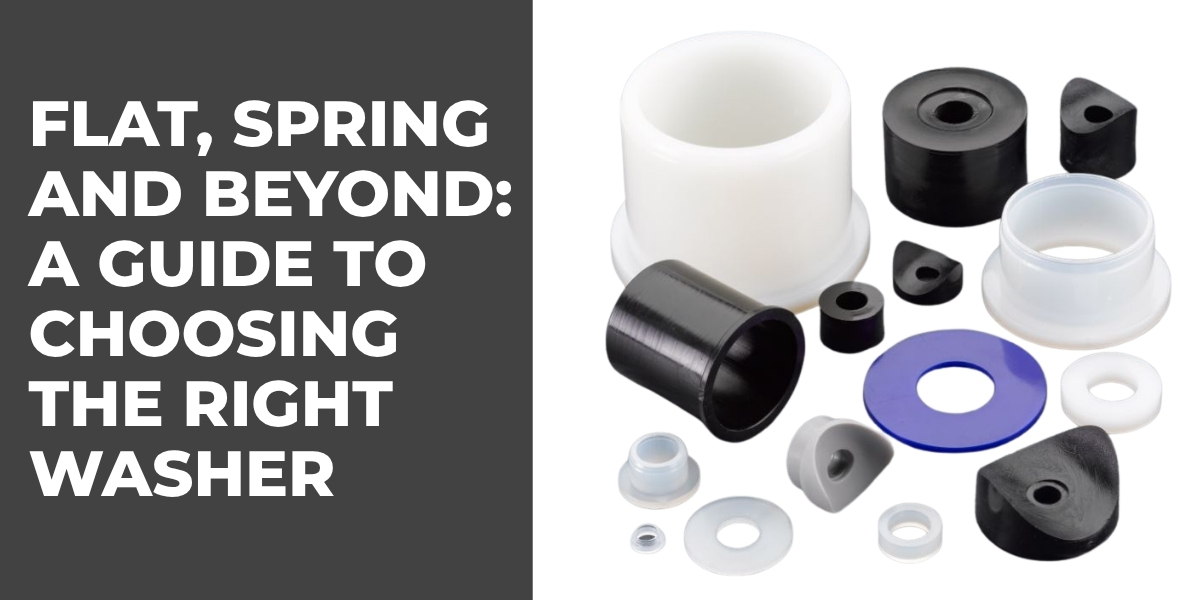
Flat, Spring and Beyond: A Guide to Choosing the Right Washer

Washers are small but essential components used in countless mechanical and industrial assemblies. While a standard flat washer may look...
Read More
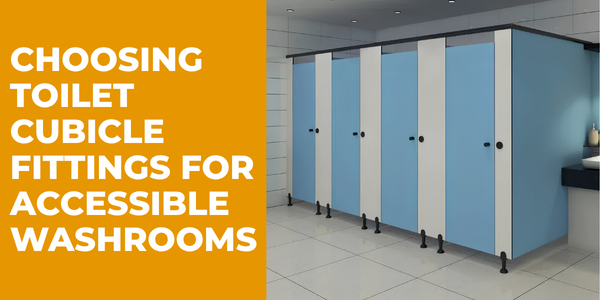
The Importance of Accessibility-Compliant Cubicle Hardware

Choosing Toilet Cubicle Fittings for Accessible Commercial Washrooms Accessibility is an increasingly important consideration when designing commercial washrooms. For architects,...
Read More
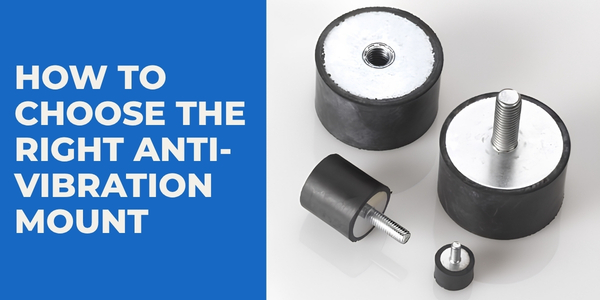
How to Choose the Right Anti-Vibration Mount

Choosing the right anti-vibration mount isn't simply a case of finding a mount that fits. The correct solution needs to...
Read More
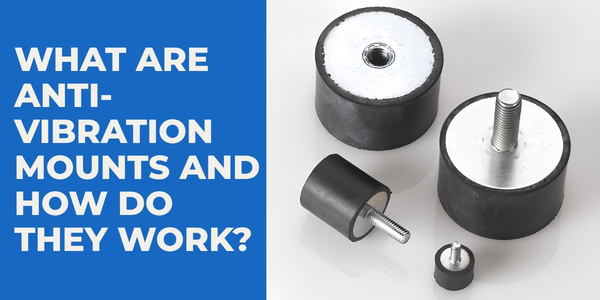
What Are Anti-Vibration Mounts and How Do They Work?

Vibration is an unavoidable part of many mechanical and industrial applications. Motors, pumps, compressors, generators and other machinery naturally move...
Read More
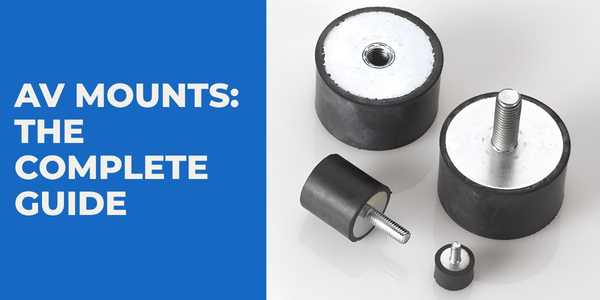
AV Mounts: The Complete Guide

Vibration can be an unavoidable part of operating machinery, equipment and mechanical systems. While some movement is perfectly normal, excessive...
Read More
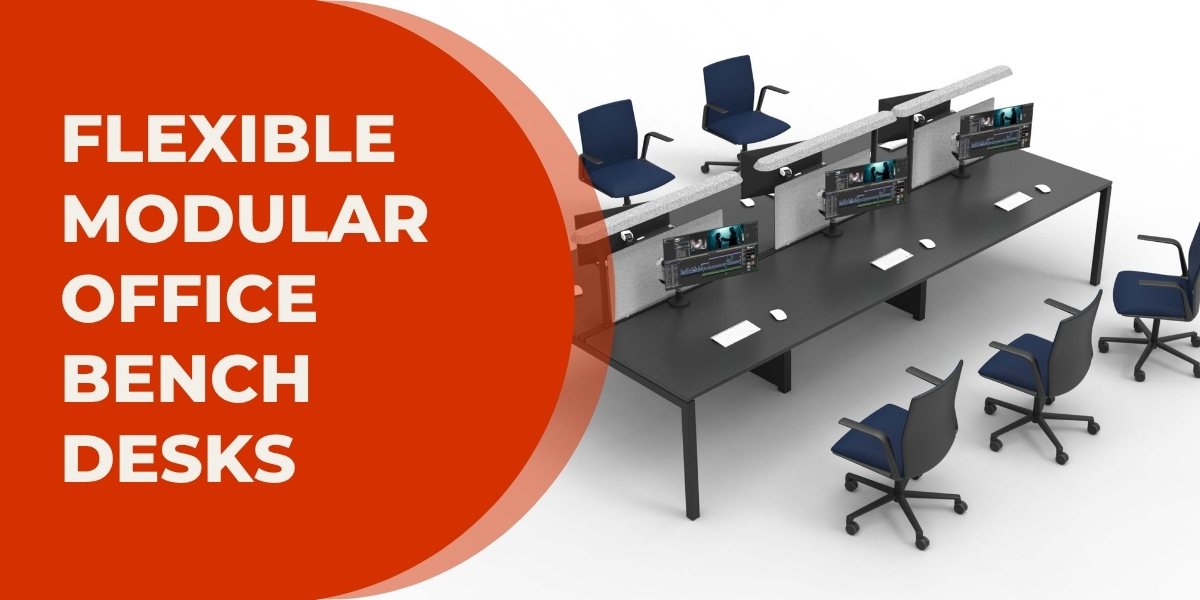
X3 Bench Desk: Flexible Modular Office Desks for Every Workspace

A bench desk is one of the most efficient ways to maximise office space while creating a collaborative working environment....
Read More
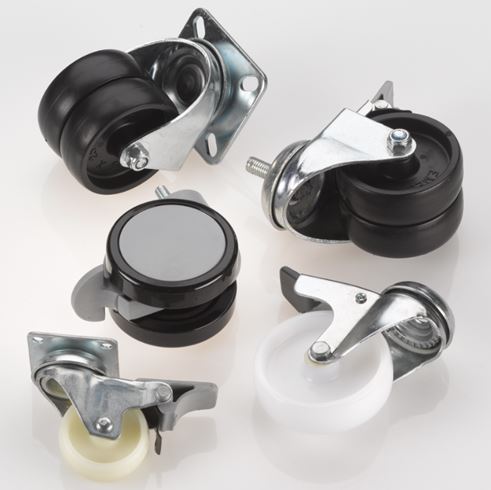
How To Choose The Right Castor for Office Furniture

How to Choose the Right Castors for Office Furniture

How to Choose the Right Castors for Your Office Furniture

Choosing the right castors for your office furniture can make a big difference to comfort, safety, and mobility in the workplace. Whether you’re upgrading office chairs, desks, or meeting tables, selecting the correct castors helps protect your flooring, improve ergonomics, and extend the life of your furniture.

In this guide, we’ll explain what castors are, why they matter, and how to choose the best option for your office environment.

What Are Castors?

Castors are small wheels that attach to the legs of furniture, allowing items such as desks, chairs, and tables to move easily. They are commonly fitted to office furniture with hollow metal frames or threaded inserts.

Castors are available in several fitting styles, including:

  • Push-fit castors that slot into hollow furniture legs
  • Threaded castors that screw into place
  • Square, round, or rectangular inserts for different frame types

Most castors are quick and simple to install, making them ideal for replacing worn or damaged wheels.

However, not all castors are the same. Choosing the wrong type can lead to damaged floors, unstable furniture, or reduced mobility.

Why Are Castors Important for Office Furniture?

High-quality castors improve how your office furniture performs day to day. The right wheels allow you to:

  • Move desks and chairs easily
  • Reduce strain on employees when rearranging furniture
  • Improve workplace flexibility
  • Protect flooring from scratches and marks
  • Enhance health and safety

By investing in suitable castors, you can create a safer and more efficient working environment.

Key Factors to Consider When Choosing Castors for Office Furniture

Before buying replacement castors for your office furniture, it’s important to think about how and where they will be used. Here are the main factors to consider.

1. Floor Type

The type of flooring in your office plays a major role in choosing the right castors.

Hard Floors (Wood, Laminate, Tile, Vinyl)

For hard surfaces, soft wheel rubber castors are recommended. These wheels:

  • Provide better grip
  • Reduce noise
  • Prevent floor damage
  • Offer improved shock absorption

Soft rubber castors are especially suitable for meeting tables and height-adjustable desks.

Carpeted Floors

For carpeted areas, nylon or hard plastic castors usually work best. They roll more easily on thicker surfaces and reduce resistance.

2. Locking and Braking Mechanisms

If your furniture needs to stay securely in place, locking castors are essential.

Braked castors are particularly important for:

  • Office chairs
  • Sit-stand desks
  • Tables used for meetings or presentations
  • Furniture that people lean on

Castors with built-in brakes prevent unwanted movement and reduce the risk of accidents.

3. Load Capacity

Every castor has a maximum weight rating. Make sure the castors you choose can comfortably support:

  • The weight of the furniture
  • Any equipment placed on it
  • Regular daily use

Heavy-duty castors are ideal for larger desks, storage units, and collaborative tables.

4. Size and Fit

Castors must fit securely into your furniture legs. Before purchasing, check:

  • Insert diameter
  • Stem length
  • Thread size (if applicable)
  • Frame shape

Using the correct size ensures stability and prevents damage to the furniture frame.

Are Castors Expensive?

Castors are a cost-effective way to upgrade your office furniture. A standard pack of four typically starts at around £8, making them an affordable solution for improving mobility and safety.

Many suppliers also offer bulk discounts, allowing businesses to save more when purchasing multiple sets.

Choosing the Right Castors for Your Workspace

To summarise, when selecting castors for office furniture, consider:

  • Your flooring type
  • Whether locking is required
  • Load capacity
  • Correct sizing and fitting
  • Frequency of use

Taking a few minutes to assess these factors can help you avoid costly mistakes and ensure long-term performance.

Need Help Choosing Office Furniture Castors?

If you’re unsure which castors are best for your furniture, professional advice can make all the difference. Our friendly advisors are available online or by phone to help you find the right solution for your workspace.

Call us on 01295 678614 for expert support and guidance.