BPF Online Blog

FREE UK carriage on orders over £250 nett      No minimum order value      Trade discounts       Order FREE samples online       Last cut off for overnight: 3pm

A Complete Guide to Workplace Hygiene Screens

Workplace hygiene screens provide a practical way to create physical separation between people in offices, reception areas, retail environments, service...
Read More

Why Bolt Caps Matter on Playground Equipment

When manufacturers and installers build playground equipment, they need to consider every component, right down to the smallest fixing. Bolts,...
Read More
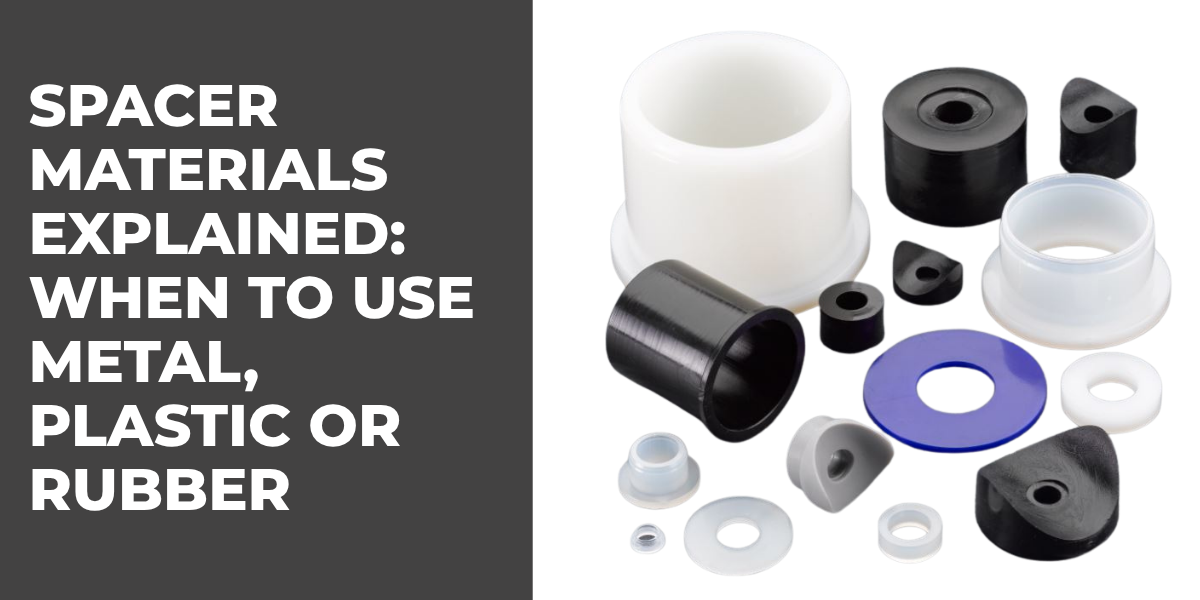
Spacer Materials Explained: When to Use Metal, Plastic or Rubber Spacers

Spacers may look like simple components, but the material you choose can greatly affect how an assembly performs. A spacer...
Read More
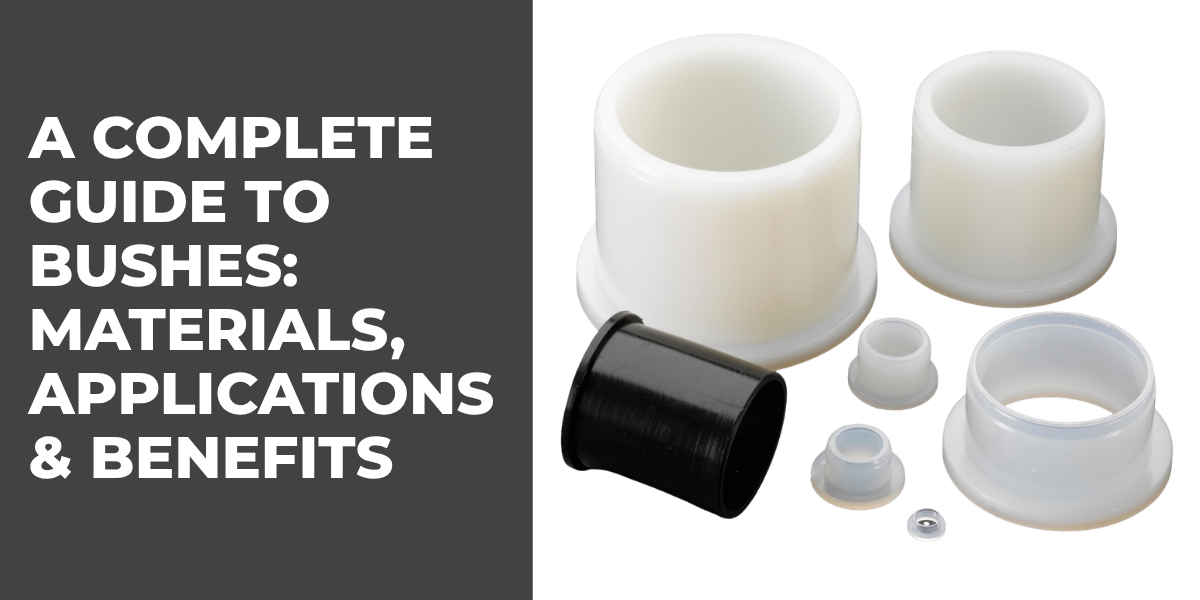
A Complete Guide to Bushes: Materials, Applications & Benefits

Bushes play an important role in mechanical assemblies, helping manufacturers manage movement, reduce friction, protect components and maintain accurate spacing....
Read More
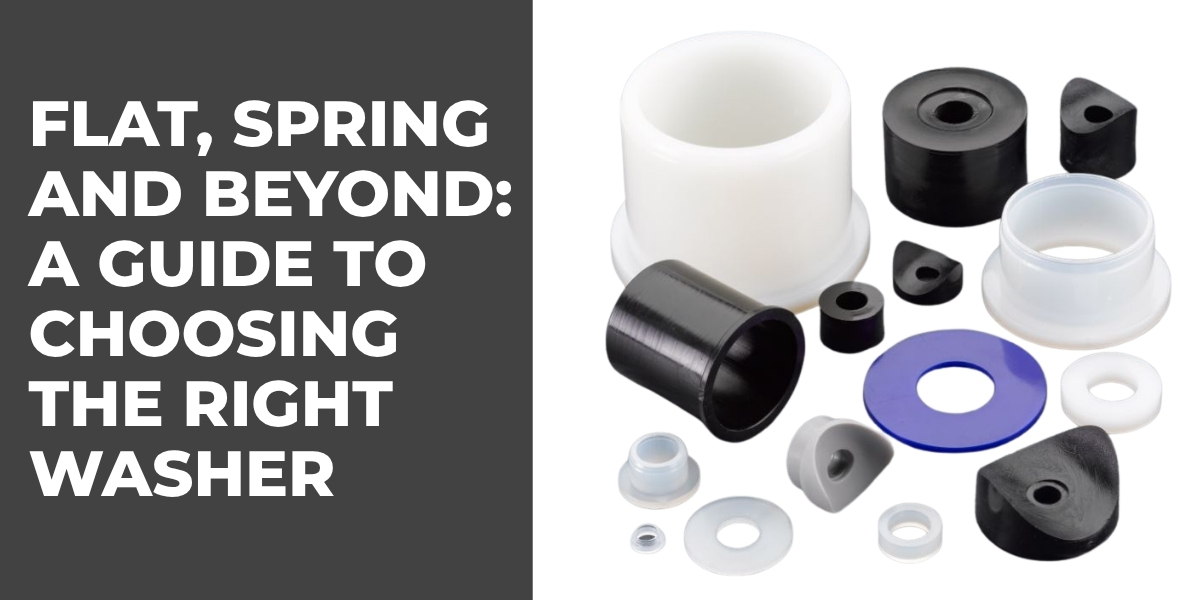
Flat, Spring and Beyond: A Guide to Choosing the Right Washer

Washers are small but essential components used in countless mechanical and industrial assemblies. While a standard flat washer may look...
Read More

The Importance of Accessibility-Compliant Cubicle Hardware

Choosing Toilet Cubicle Fittings for Accessible Commercial Washrooms Accessibility is an increasingly important consideration when designing commercial washrooms. For architects,...
Read More
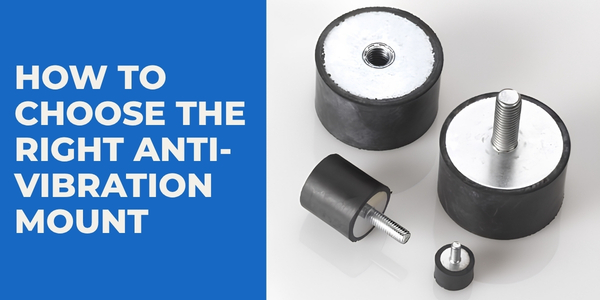
How to Choose the Right Anti-Vibration Mount

Choosing the right anti-vibration mount isn't simply a case of finding a mount that fits. The correct solution needs to...
Read More
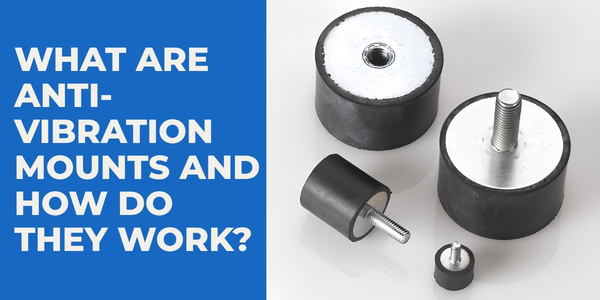
What Are Anti-Vibration Mounts and How Do They Work?

Vibration is an unavoidable part of many mechanical and industrial applications. Motors, pumps, compressors, generators and other machinery naturally move...
Read More
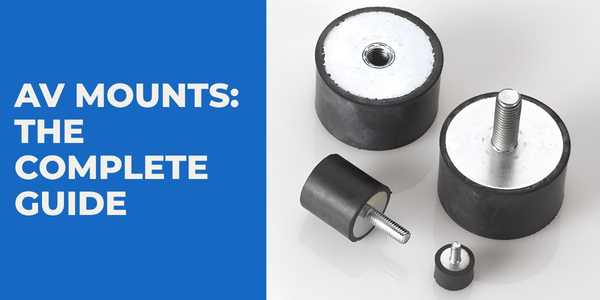
AV Mounts: The Complete Guide

Vibration can be an unavoidable part of operating machinery, equipment and mechanical systems. While some movement is perfectly normal, excessive...
Read More

X3 Bench Desk: Flexible Modular Office Desks for Every Workspace

A bench desk is one of the most efficient ways to maximise office space while creating a collaborative working environment....
Read More
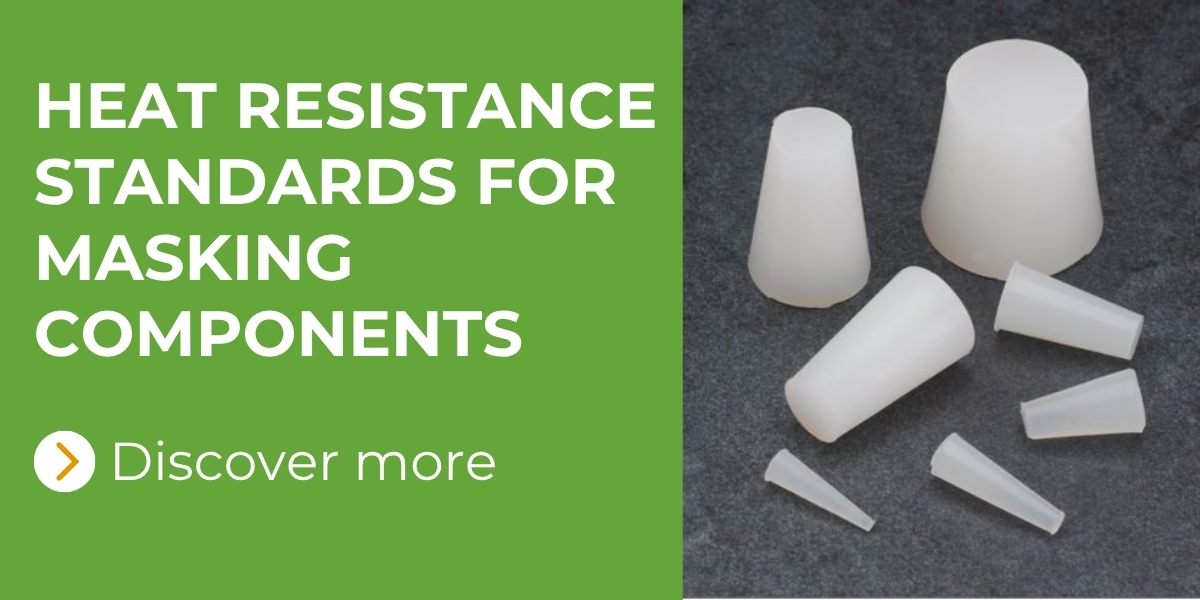
Heat Resistance Standards for Masking Components

Heat Resistance Standards for Masking Components

Heat Resistance Standards for Masking Components

In industries like powder coating, automotive, aerospace, and metal finishing, masking components, such as tapes, end caps, plugs, and sleeves, must withstand extreme heat. Using the wrong component can lead to surface defects, chemical contamination, or even part failure. Understanding heat resistance standards ensures that masking materials perform reliably under the high temperatures encountered in industrial processes.

Why Heat Resistance Matters

  • Protects Surfaces: Prevents oxidation, warping, or degradation during thermal processes.
  • Maintains Precision: Ensures coatings and finishes are applied accurately.
  • Improves Safety: Prevents accidents caused by melting or burning masking materials.
  • Reduces Costs: Avoids scrapped parts and rework due to heat damage.

Key Heat Resistance Standards

1. ASTM Standards

The ASTM defines testing methods for materials exposed to heat. Relevant ASTM standards include:

  • ASTM D4321: Tests thermal stability of tapes.
  • ASTM E595: Measures volatile content and outgassing in materials exposed to heat (important in aerospace).
  • ASTM D3363: Defines temperature limits for adhesives in masking tapes.

2. ISO Standards

Internationally recognized, ISO standards ensure global compliance:

  • ISO 4892-2: Specifies exposure of plastics to heat and light for performance testing.
  • ISO 9001 (Quality Management): While not specific to heat, ensures processes consistently meet material performance criteria.

3. MIL-STD (Military Standards)

Used for aerospace and defense applications:

  • MIL-STD-202: Evaluates electronic components under thermal stress.
  • MIL-PRF-81705: Defines requirements for high-temperature masking tapes in electronics.

Testing Methods

Common testing methods ensure masking components meet heat resistance requirements:

  1. Oven Aging Test: Components are exposed to high temperatures for extended periods to check for degradation.
  2. Thermal Cycling: Repeated heating and cooling to simulate operational conditions.
  3. Adhesion Tests (for tapes): Ensures adhesive strength remains at elevated temperatures.
  4. Chemical Compatibility at High Temperature: Confirms masking materials resist solvents and coatings without breaking down.

Choosing the Right Masking Component for Heat

Consider the following when selecting high-temperature masking components:

  1. Maximum Operating Temperature – Don’t exceed the continuous temperature rating.
  2. Peak Exposure Conditions – Some processes have short high-heat bursts; check peak tolerance.
  3. Material Compatibility – Ensure the component won’t react with coatings, solvents, or metals.
  4. Shape and Fit – Caps, plugs, and sleeves should fit securely without deforming.
  5. Reusability – Silicone and PTFE components often survive multiple cycles; some tapes may be single-use.

FAQs

Q1: What is the difference between continuous and peak temperature ratings?
Continuous temperature is the maximum heat a material can endure over long periods without degradation. Peak temperature is the maximum heat for a short duration, typically a few minutes, without failure.

Q2: Can standard masking tapes be used for high-temperature powder coating?
Most standard masking tapes will fail at temperatures above 120°C. For powder coating (typically 180–200°C), you need high-temp silicone, polyimide, or PTFE tapes.

Q3: Are there international standards for high-temperature masking?
Yes. ASTM, ISO, and MIL-STD provide globally recognised standards for heat resistance, chemical stability, and performance testing.

Q4: How can I verify a masking component meets heat resistance requirements?
Check the manufacturer’s datasheets for ASTM/ISO testing results, temperature ratings, and chemical compatibility charts.

Conclusion

Selecting masking components that comply with heat resistance standards is critical for industrial processes where precision, surface protection, and safety matter. By understanding ASTM, ISO, and MIL-STD guidelines, along with material-specific temperature ratings, manufacturers can ensure their masking components perform reliably in high-heat environments.

Explore our range at BPF today and discover how our high temperature masking components can enhance your manufacturing processes while protecting your most critical components. If you have any questions about our products, our friendly advisors will be here to help you. You can chat with a BPF Online product advisor through our website, or call us on 01295 678614.