Workplace hygiene screens provide a practical way to create physical separation between people in offices, reception areas, retail environments, service...
Read More


 FREE UK carriage on orders over £250 nett
 No minimum order value
 Trade discounts
 Order FREE samples online
 Last cut off for overnight: 3pm


Why Bolt Caps Matter on Playground Equipment
By Bridey
/ 27 August 2026
When manufacturers and installers build playground equipment, they need to consider every component, right down to the smallest fixing. Bolts,...
Read More

Spacer Materials Explained: When to Use Metal, Plastic or Rubber Spacers
By Bridey
/ 20 August 2026
Spacers may look like simple components, but the material you choose can greatly affect how an assembly performs. A spacer...
Read More
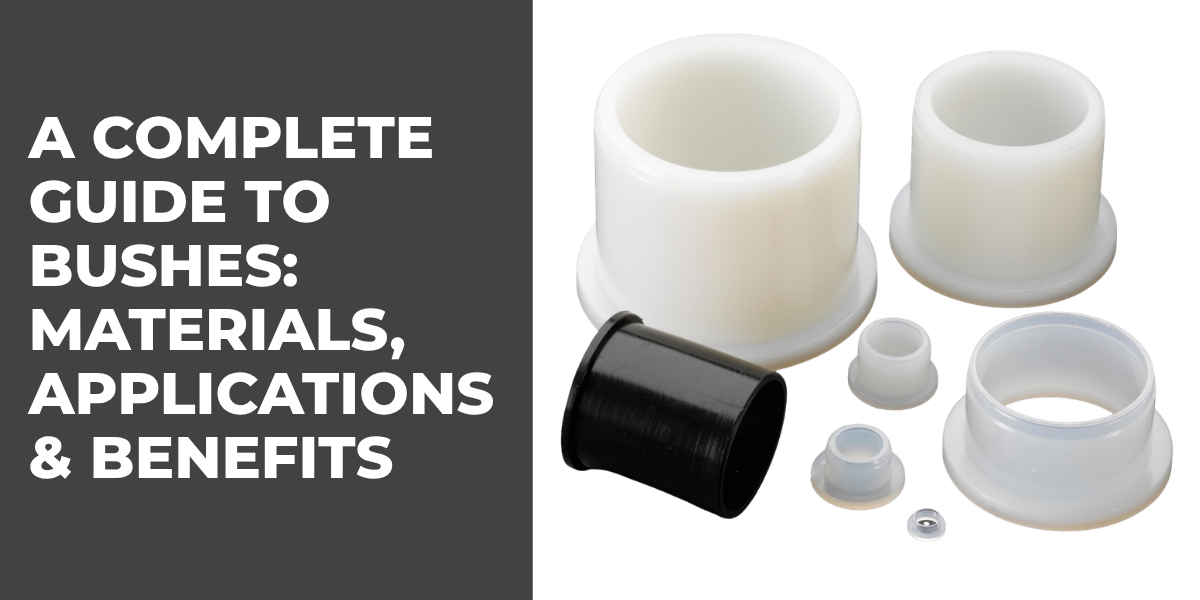
A Complete Guide to Bushes: Materials, Applications & Benefits
By Bridey
/ 13 August 2026
Bushes play an important role in mechanical assemblies, helping manufacturers manage movement, reduce friction, protect components and maintain accurate spacing....
Read More

Flat, Spring and Beyond: A Guide to Choosing the Right Washer
By Bridey
/ 6 August 2026
Washers are small but essential components used in countless mechanical and industrial assemblies. While a standard flat washer may look...
Read More

The Importance of Accessibility-Compliant Cubicle Hardware
By Bridey
/ 30 July 2026
Choosing Toilet Cubicle Fittings for Accessible Commercial Washrooms Accessibility is an increasingly important consideration when designing commercial washrooms. For architects,...
Read More
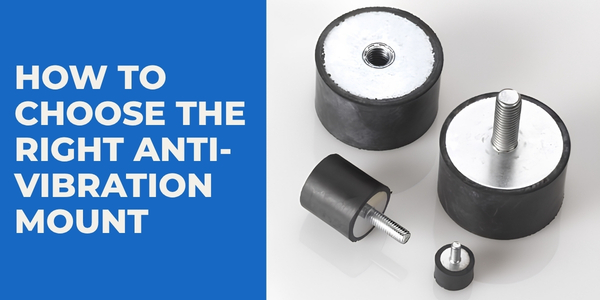
How to Choose the Right Anti-Vibration Mount
By Bridey
/ 23 July 2026
Choosing the right anti-vibration mount isn't simply a case of finding a mount that fits. The correct solution needs to...
Read More
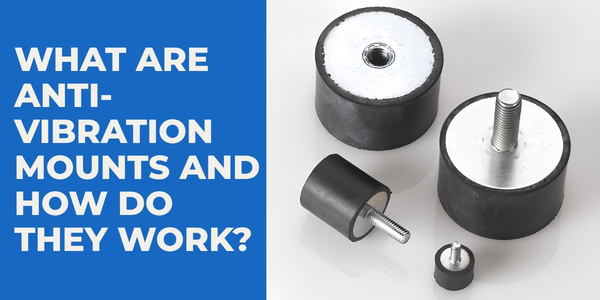
What Are Anti-Vibration Mounts and How Do They Work?
By Bridey
/ 16 July 2026
Vibration is an unavoidable part of many mechanical and industrial applications. Motors, pumps, compressors, generators and other machinery naturally move...
Read More
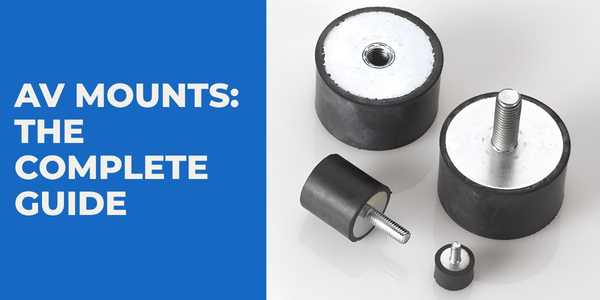
AV Mounts: The Complete Guide
By Bridey
/ 9 July 2026
Vibration can be an unavoidable part of operating machinery, equipment and mechanical systems. While some movement is perfectly normal, excessive...
Read More
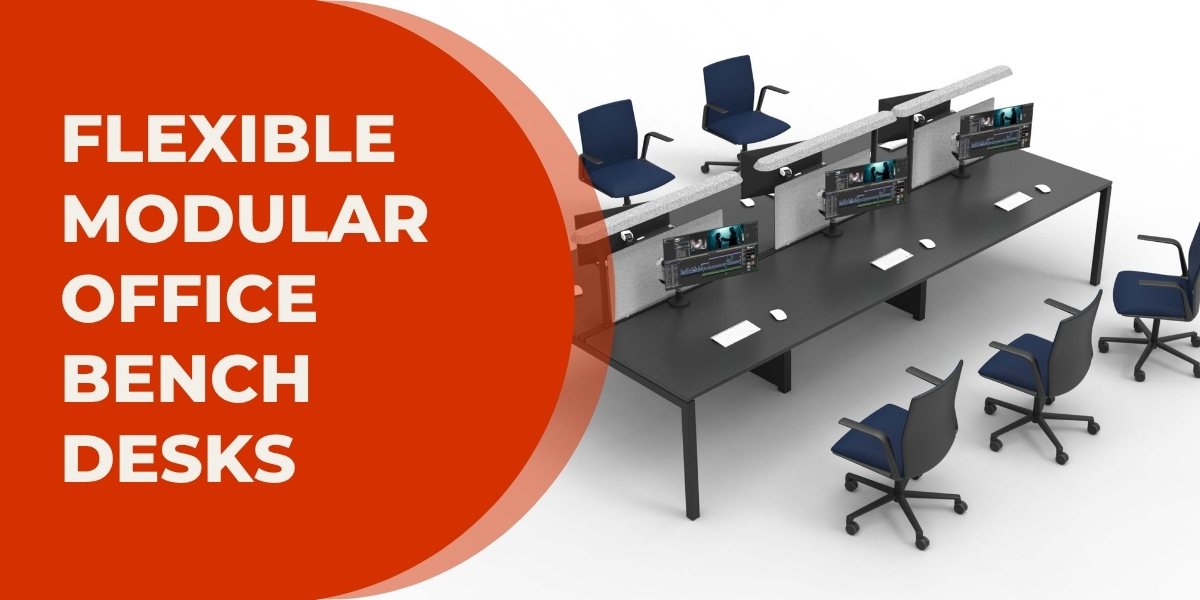
X3 Bench Desk: Flexible Modular Office Desks for Every Workspace
By bpfadmin
/ 2 July 2026
A bench desk is one of the most efficient ways to maximise office space while creating a collaborative working environment....
Read More
Wires. You either love them. Or you hate them. Ok, maybe you’re just indifferent. But wires can look unsightly. They can cause a trip hazard and they often go walkabouts, leaving you hunting for your charger cable just moments before your battery dies mid-call.
However, wireless chargers put an end to all of this.
Wireless chargers are neat and they’re always in the same place. What’s more, their design can be remarkably discreet and some even incorporate lights for a sleek and stylish appearance.
With technology evolving all the time, the speed and capability of wireless charging units are constantly improving. These days, wireless chargers can be found built into sofas, bedside tables, kitchen counters and even desks. They even charge while still in a phone case.
How to get a wireless charger
If you don’t already have a wireless charger built in, they can be quite simply and easily retro fitted without spending out on an electrician.
Wireless charging units are also more affordable than you might expect. At Box15, our 80mm Grommet Wireless Smartphone Charger starts at just £26.40+ VAT. Some wireless chargers have standard USB connectors too, giving the user the opportunity to charge more than one device at a time, all from one discreet unit.
Automatic pop up charging towers can also contain wireless chargers too, giving the user a plethora of charging options, all from one socket.

How do wireless chargers work?
Wireless chargers work by creating a magnetic field from which your mobile phone can absorb energy, harvesting it, ready to power the battery.
Wireless charging isn’t a new concept though – in the 1800s Nikola Tesla, a Serbian American inventor came up with a way to transmit energy through the air using resonant inductive coupling which creates a magnetic field between a transmitter and receiver.
It’s this same principle that makes wireless chargers work today. An induction coil in the charging unit creates a magnetic field which is then received by a second, smaller coil in the phone. This smaller coil harvests the energy and converts it to power the battery.
It isn’t just phones that can be wirelessly charged these days – the technology is of increasing popularity among medical implants such as pacemakers.
The challenges of wireless charging
Wireless charging isn’t a perfect solution … yet. It’s still a little slower than cable charging, but this won’t be the case for very long, as technology is constantly advancing and manufacturers of wireless chargers are continually striving to improve the speed of the charge.
The other drawback of wireless charging is that, when placing your phone onto a wireless charging unit, you have to be pretty accurate as, if the transmitter and receiver are not aligned, the device won’t charge. The introduction of MagSafe phone cases is resolving this. These phone cases magnetically snap to the wireless charger to keep the device being charged in the correct place.
Of course, even with a MagSafe phone case, you still won’t be able to charge your phone whilst having a conversation – but because it’s so easy to charge your phone, you’ll be charging your phone more often than you usually would, so it’s less likely that you’d need to charge your phone mid-call.
Fitting a wireless charging unit
You can buy wireless chargers off-the-shelf and fit them retrospectively to a desk or a kitchen worktop or tabletop to give those using the area an easy station where they can top-up their device. It’s quick, easy to use, and easy to install too, often taking power from a standard wall socket using a 3-pin plug.
For more advice on finding the right wireless charging solutions to fit your needs, chat with our friendly advisors online or give us a call on 01295 565001.