BPF Online Blog

FREE UK carriage on orders over £250 nett      No minimum order value      Trade discounts       Order FREE samples online       Last cut off for overnight: 3pm

A Complete Guide to Workplace Hygiene Screens

Workplace hygiene screens provide a practical way to create physical separation between people in offices, reception areas, retail environments, service...
Read More

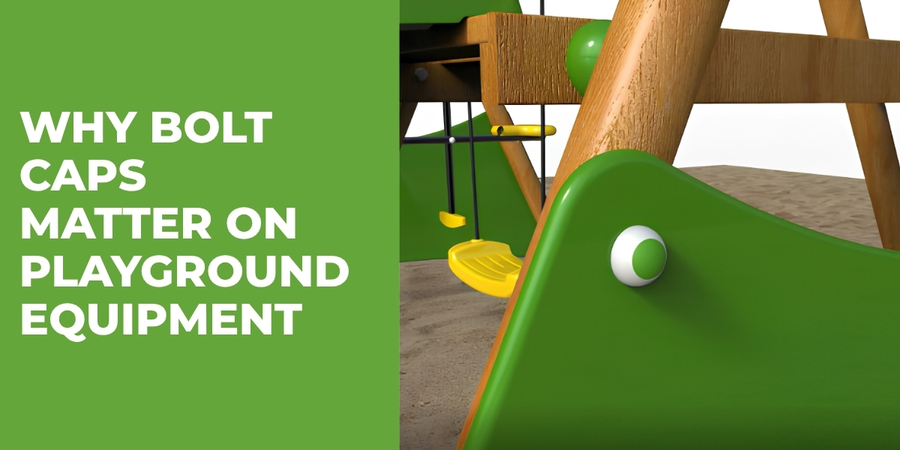
Why Bolt Caps Matter on Playground Equipment

When manufacturers and installers build playground equipment, they need to consider every component, right down to the smallest fixing. Bolts,...
Read More
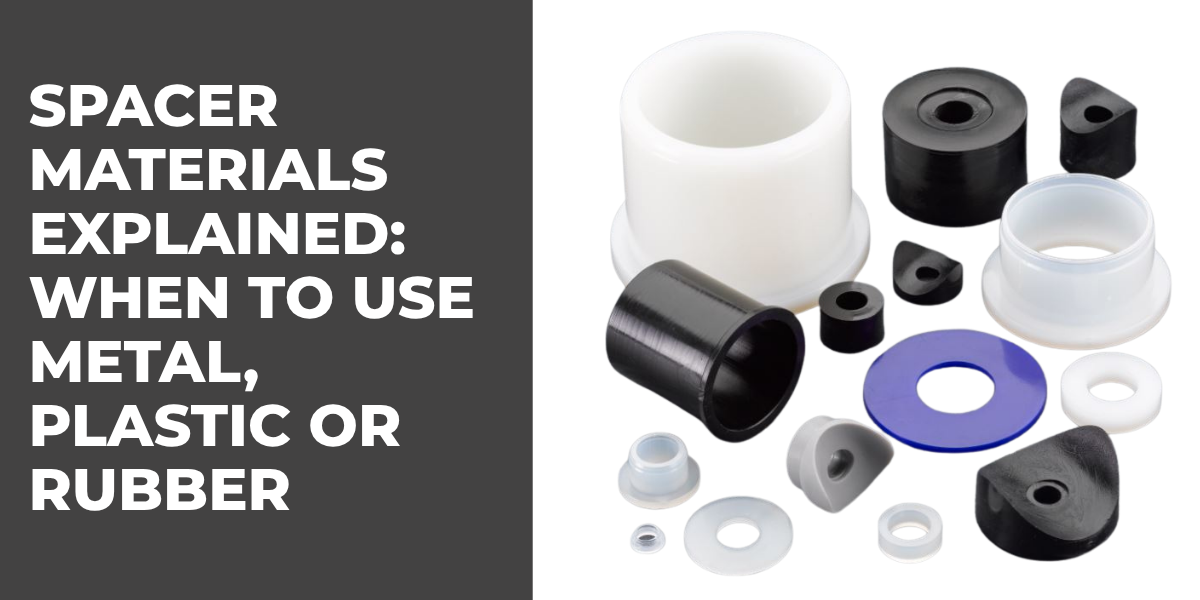
Spacer Materials Explained: When to Use Metal, Plastic or Rubber Spacers

Spacers may look like simple components, but the material you choose can greatly affect how an assembly performs. A spacer...
Read More
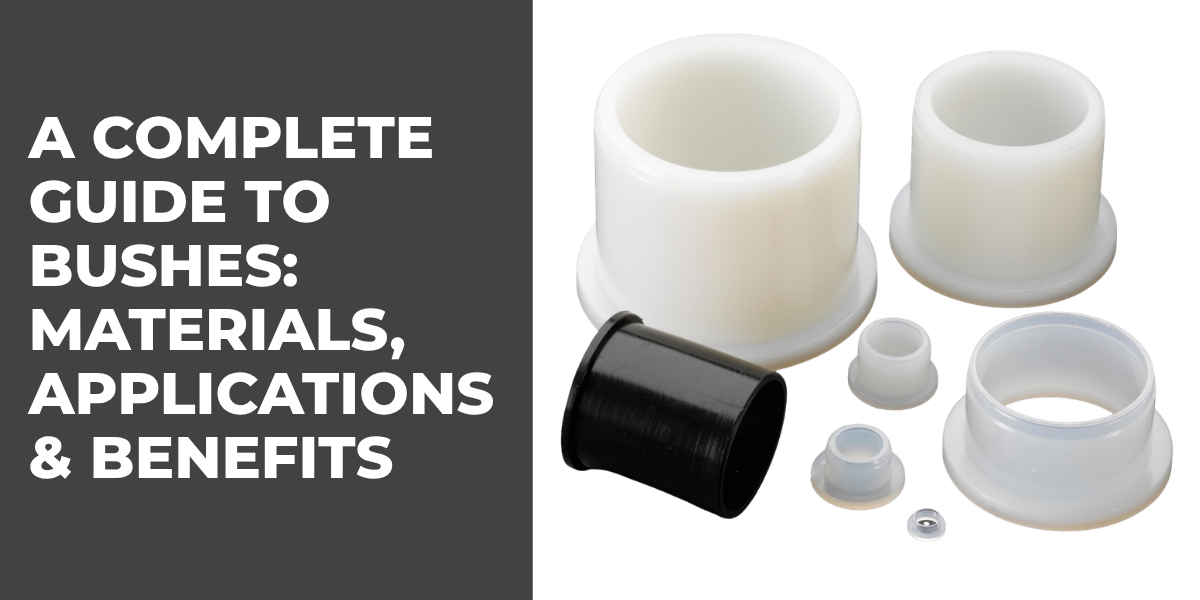
A Complete Guide to Bushes: Materials, Applications & Benefits

Bushes play an important role in mechanical assemblies, helping manufacturers manage movement, reduce friction, protect components and maintain accurate spacing....
Read More
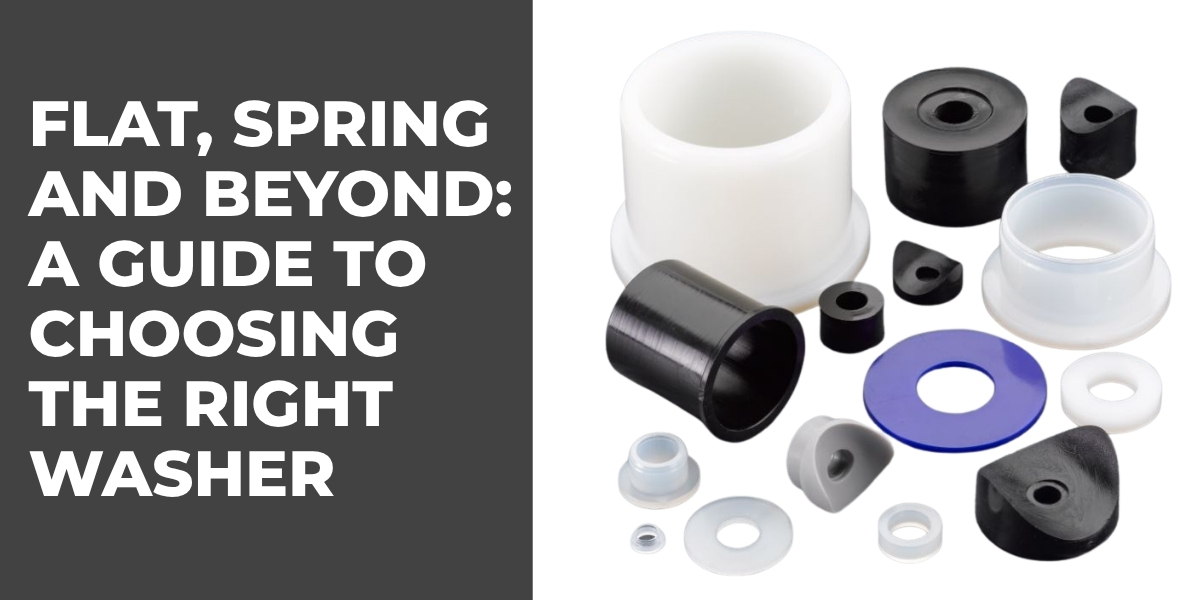
Flat, Spring and Beyond: A Guide to Choosing the Right Washer

Washers are small but essential components used in countless mechanical and industrial assemblies. While a standard flat washer may look...
Read More
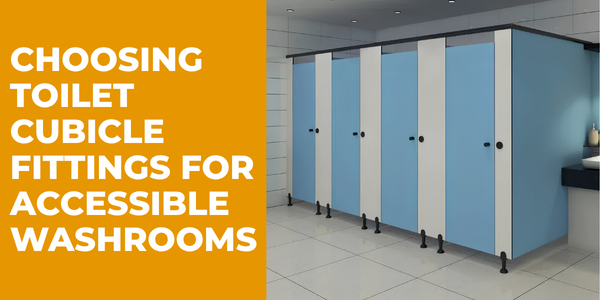
The Importance of Accessibility-Compliant Cubicle Hardware

Choosing Toilet Cubicle Fittings for Accessible Commercial Washrooms Accessibility is an increasingly important consideration when designing commercial washrooms. For architects,...
Read More
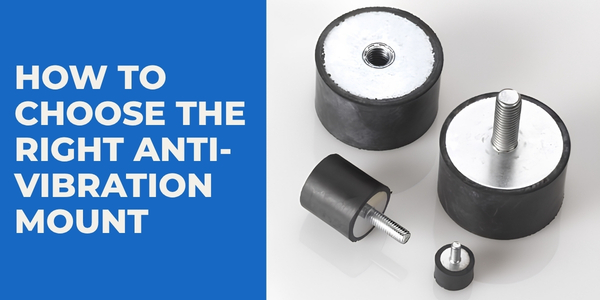
How to Choose the Right Anti-Vibration Mount

Choosing the right anti-vibration mount isn't simply a case of finding a mount that fits. The correct solution needs to...
Read More
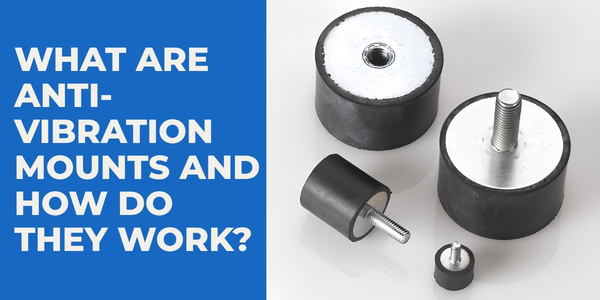
What Are Anti-Vibration Mounts and How Do They Work?

Vibration is an unavoidable part of many mechanical and industrial applications. Motors, pumps, compressors, generators and other machinery naturally move...
Read More
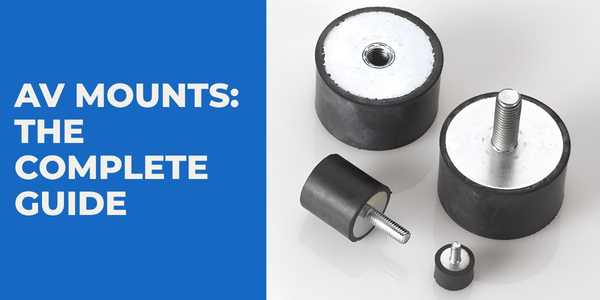
AV Mounts: The Complete Guide

Vibration can be an unavoidable part of operating machinery, equipment and mechanical systems. While some movement is perfectly normal, excessive...
Read More
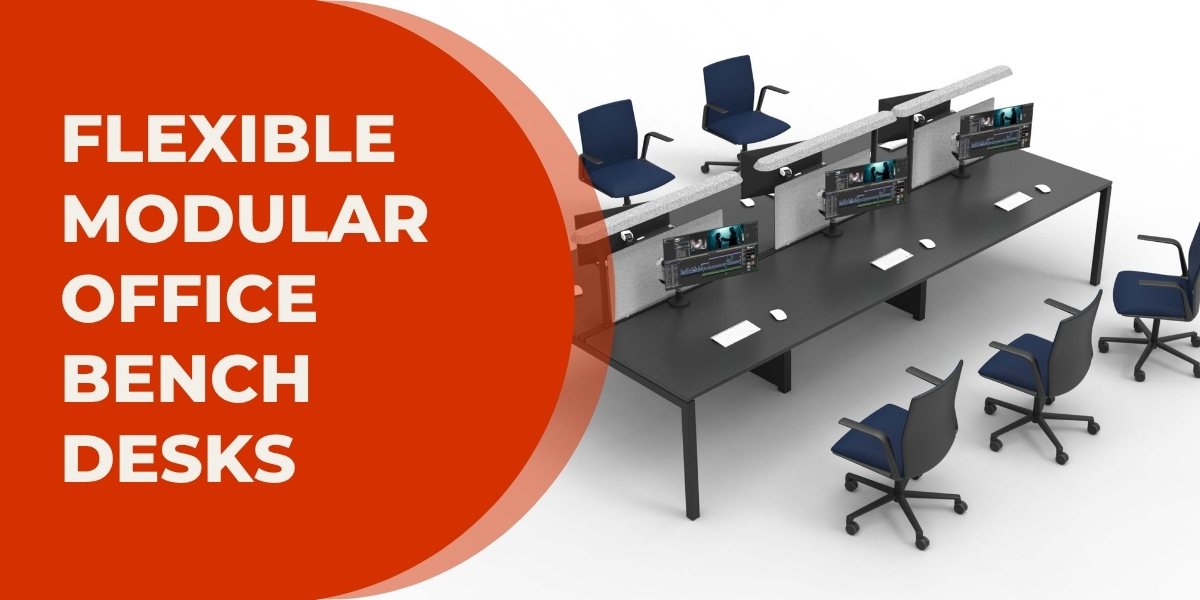
X3 Bench Desk: Flexible Modular Office Desks for Every Workspace

A bench desk is one of the most efficient ways to maximise office space while creating a collaborative working environment....
Read More

How to choose an anti-vibration mount

Anti-vibration mounts, also referred to as vibration isolators can make your machinery last longer, protect the surrounding infrastructure, reduce the noise of vibration from machinery and lessen the shock caused by persistent vibrations. Anti-vibration mounts are typically made of rubber, springs, or both and are designed specifically for their shock absorption qualities as the mounts work to absorb high amounts of energy.

They can be fastened to machines, pipework, and ducting, transferring the vibrations from mechanical systems or HVAC equipment to another part of the building or externally, where the resulting noise will not interfere with the building users.

Often used in both commercial and high-rise buildings, entertainment venues, industrial facilities and power plants, anti-vibration mounts can be used in offices too.

At ASL, we offer a wide range of silent block rubber absorbers with both male threads, female threads or both male and female threads, in sizes ranging from M4 through to M20.

Available in a premium NBR (Nitrile Butadiene Rubber) Shore A 55 Degree with a Steel Thread, these anti-vibration mounts deliver high-quality shock absorption and noise reduction, however, at a more cost-effective price point, many of our customers find that the standard quality NR Rubber/St.37 metal washers/6.8 quality bolts offer perfectly sufficient vibration absorption for most purposes, at a saving of around 60%.

According to your needs, it may be possible to arrange for the custom manufacture of anti-vibration mounts from different materials, including EPDM or CR-Silicon, with different shore hardnesses and alternative metal components such as INOX / 8.8 quality bolts etc. To find out more, contact us on the details below.

How to choose an anti-vibration mount

Choosing an anti-vibration mount can be complicated, but here’s your 5-step guide to choosing a mount that will work for you.

  • Know the total weight of the equipment and the number of mountings required.
  • Calculate the weight each mounting needs to take – bear in mind that the weight distribution may not always be evenly split between the mountings so consider the centre of gravity.
  • Calculate the forcing frequency – also known as the running speed and also the lowest running speed.
  • Identify the static deflection on the anti-vibration mounts. This is how much the mount compresses when under pressure – so, for example, a 10cm mount, that compresses to 9cm when in use, has a static deflection of 1cm.
  • Choose your mounting type based on the load per mounting that you need to give the appropriate amount of static deflection. A quick Google search should enable you to find a graph showing vibration isolation against deflection.

For help finding the right anti-vibration mounts, or to learn more about any of our products, contact us today on 0844 7766800 or chat with our friendly advisors online.