BPF Online Blog

FREE UK carriage on orders over £250 nett      No minimum order value      Trade discounts       Order FREE samples online       Last cut off for overnight: 3pm

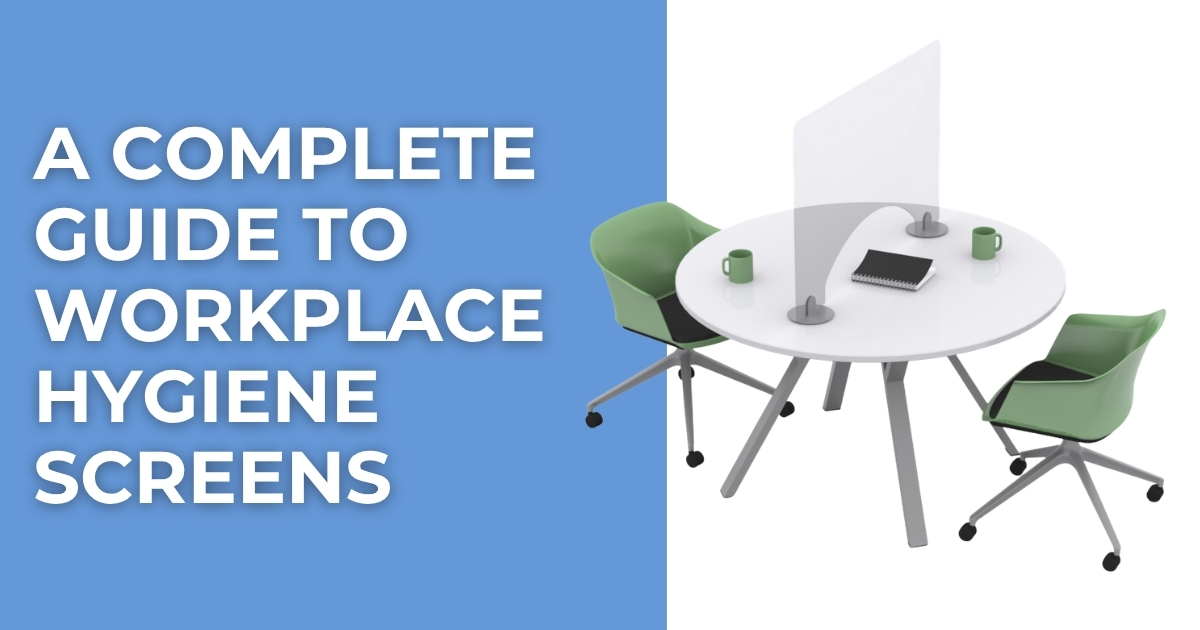
A Complete Guide to Workplace Hygiene Screens

Workplace hygiene screens provide a practical way to create physical separation between people in offices, reception areas, retail environments, service...
Read More

Why Bolt Caps Matter on Playground Equipment

When manufacturers and installers build playground equipment, they need to consider every component, right down to the smallest fixing. Bolts,...
Read More

Spacer Materials Explained: When to Use Metal, Plastic or Rubber Spacers

Spacers may look like simple components, but the material you choose can greatly affect how an assembly performs. A spacer...
Read More

A Complete Guide to Bushes: Materials, Applications & Benefits

Bushes play an important role in mechanical assemblies, helping manufacturers manage movement, reduce friction, protect components and maintain accurate spacing....
Read More

Flat, Spring and Beyond: A Guide to Choosing the Right Washer

Washers are small but essential components used in countless mechanical and industrial assemblies. While a standard flat washer may look...
Read More
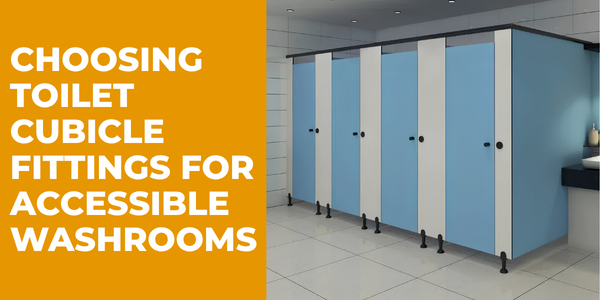
The Importance of Accessibility-Compliant Cubicle Hardware

Choosing Toilet Cubicle Fittings for Accessible Commercial Washrooms Accessibility is an increasingly important consideration when designing commercial washrooms. For architects,...
Read More
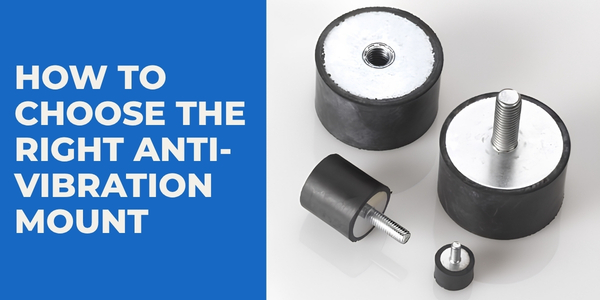
How to Choose the Right Anti-Vibration Mount

Choosing the right anti-vibration mount isn't simply a case of finding a mount that fits. The correct solution needs to...
Read More
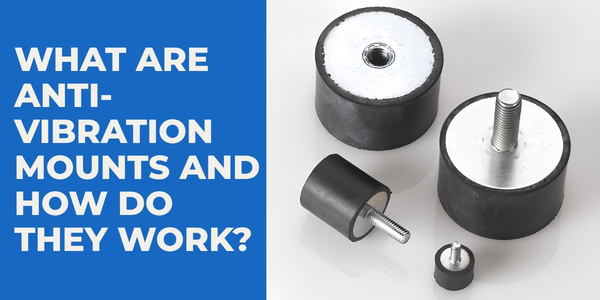
What Are Anti-Vibration Mounts and How Do They Work?

Vibration is an unavoidable part of many mechanical and industrial applications. Motors, pumps, compressors, generators and other machinery naturally move...
Read More
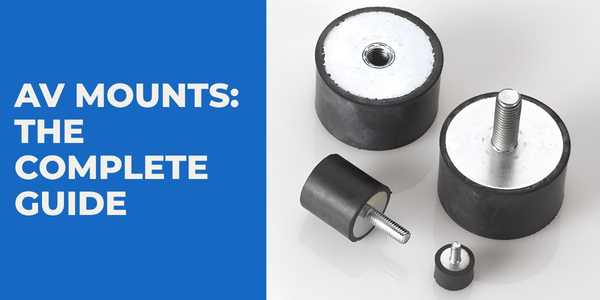
AV Mounts: The Complete Guide

Vibration can be an unavoidable part of operating machinery, equipment and mechanical systems. While some movement is perfectly normal, excessive...
Read More
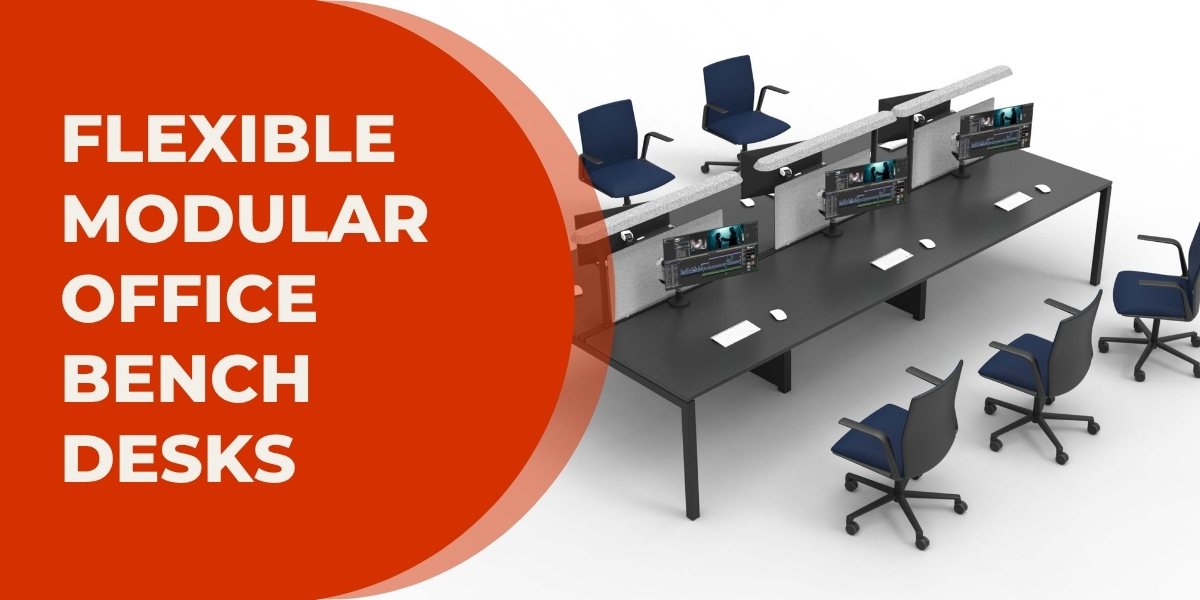
X3 Bench Desk: Flexible Modular Office Desks for Every Workspace

A bench desk is one of the most efficient ways to maximise office space while creating a collaborative working environment....
Read More
How to Choose the Right Desk Access Flap for Your Meeting Table

How to Choose the Right Desk Access Flap for Your Meeting Table

Choose the Right Desk Access Flap with BPF

Modern meeting rooms rely heavily on laptops, video conferencing equipment, monitors, and network connections, which means easy access to power and data is essential. However, exposed cables running across the table can quickly make even the most premium boardroom look messy and unprofessional. This is where a desk access flap (also called cable power flaps or desk cable lids) comes in. They allow power sockets, USB chargers, and network ports to be neatly hidden inside a table while still being easily accessible when needed.

But with different sizes, lid configurations, and installation options available, choosing the right desk access flap for your meeting table can sometimes be confusing.

In this guide, we’ll explain the key factors to consider so you can select the best solution for your workspace.

1. Consider the Size of Your Meeting Table

One of the first things to consider is the length of your meeting table and how many people will typically use it.

Desk access flaps are available in a range of sizes, commonly from 300mm to 1800mm, and larger installations can be created using modular systems.

Typical recommendations:

Small meeting tables (2–4 people)
A 300mm or 600mm desk power flap usually provides enough space for power and network connections.

Medium meeting tables (6–8 people)
A 900mm to 1200mm cable access flap allows multiple users to connect devices without overcrowding.

Large conference tables (10+ people)
For large boardrooms, 1500mm or 1800mm dual access flaps provide multiple access points and keep cables organised across the table.

Choosing the correct size ensures everyone can access power conveniently without cables stretching across the table.

2. Look for Independent Lid Access

For meeting rooms used by several people at once, independent lids are a major advantage.

Instead of one large lid opening across the entire flap, each section can open separately. This means:

  • One person can access power without disturbing others
  • Only the cables in use are visible
  • The table maintains a clean and professional appearance

Independent lids are particularly useful for boardroom tables and collaborative workspaces where several laptops may need power at the same time.

3. Think About Cable Management Under the Desk

While the top of the table is important, the area underneath the desk is just as critical.

Without proper cable organisation, wires can quickly become tangled or difficult to maintain. Adding cable trays beneath the table helps keep everything tidy and accessible.

Cable trays allow you to:

  • Support power and network cables
  • Prevent cables from hanging loose
  • Make maintenance easier
  • Improve overall installation quality

For larger meeting tables, modular trays can be installed along the underside of the table to support longer cable runs.

4. Choose the Right Material and Finish

Desk power flaps should complement the design of the furniture rather than stand out.

Most professional installations use anodised aluminium flaps, which offer several advantages:

  • Durable and long-lasting
  • Resistant to wear and scratches
  • Professional appearance
  • Suitable for modern office environments

For high-end boardroom tables or bespoke furniture, many systems also offer customisable lid finishes.

Some models allow you to:

  • Paint the lid to match the table
  • Apply veneer or laminate
  • Insert your own material into the lid

This creates a seamless, integrated look that blends perfectly with the surrounding surface.

5. Check the Cut-Out Dimensions

Before installing a desk power flap, it’s important to confirm the required cut-out size for the table.

Each flap size requires a specific opening in the work surface. For example:

  • Smaller units may require a cut-out around 304mm x 144mm
  • Larger flaps can require openings close to 1800mm in length

Accurate measurements ensure the unit fits securely and sits flush with the desk surface.

If you are working with custom furniture or joinery, it’s always best to confirm the dimensions before manufacturing the table.

6. Consider Future Flexibility

Meeting rooms and office layouts often change over time, so it’s useful to choose a system that offers flexibility and modular design.

Some desk power flap systems include internal rail systems that allow components to slide or be repositioned. This means:

  • Lid sections can be replaced
  • Custom top lengths can be created
  • The configuration can evolve as requirements change

This type of modular system is ideal for large conference tables or bespoke furniture projects.

7. Think About How the Flap Opens

Not all desk flaps open the same way. Higher-quality systems include integrated shock absorbers or soft-opening mechanisms.

These provide several benefits:

  • Smooth and quiet operation
  • Controlled opening and closing
  • Reduced wear on the mechanism
  • A more premium user experience

This is particularly important in boardrooms and professional meeting environments, where loud or awkward mechanisms can be distracting.

8. Match the System to the Type of Workspace

Different environments may require slightly different solutions.

Boardrooms and conference rooms
Usually benefit from larger flaps with multiple independent lids.

Shared workstations
Often require mid-sized flaps that allow several users to connect devices.

Reception desks or retail counters
May only require smaller access flaps to provide occasional power or network access.

Exhibition displays
Often need flexible systems that can be easily installed and removed.

Choosing the right configuration ensures the system works naturally within the workspace.

Final Thoughts

A well-designed desk power flap system does more than just provide power access — it helps maintain a clean, professional workspace while keeping cables organised and accessible.

When choosing the right desk power flap for your meeting table, remember to consider:

  • Table size and number of users
  • Independent lid access
  • Cable management underneath the desk
  • Material and finish options
  • Cut-out dimensions
  • Future flexibility
  • Opening mechanism quality

By selecting the right system, you can create a functional, tidy and professional meeting environment that supports modern technology without compromising the appearance of the table.