Workplace hygiene screens provide a practical way to create physical separation between people in offices, reception areas, retail environments, service...
Read More


 FREE UK carriage on orders over £250 nett
 No minimum order value
 Trade discounts
 Order FREE samples online
 Last cut off for overnight: 3pm


Why Bolt Caps Matter on Playground Equipment
By Bridey
/ 27 August 2026
When manufacturers and installers build playground equipment, they need to consider every component, right down to the smallest fixing. Bolts,...
Read More
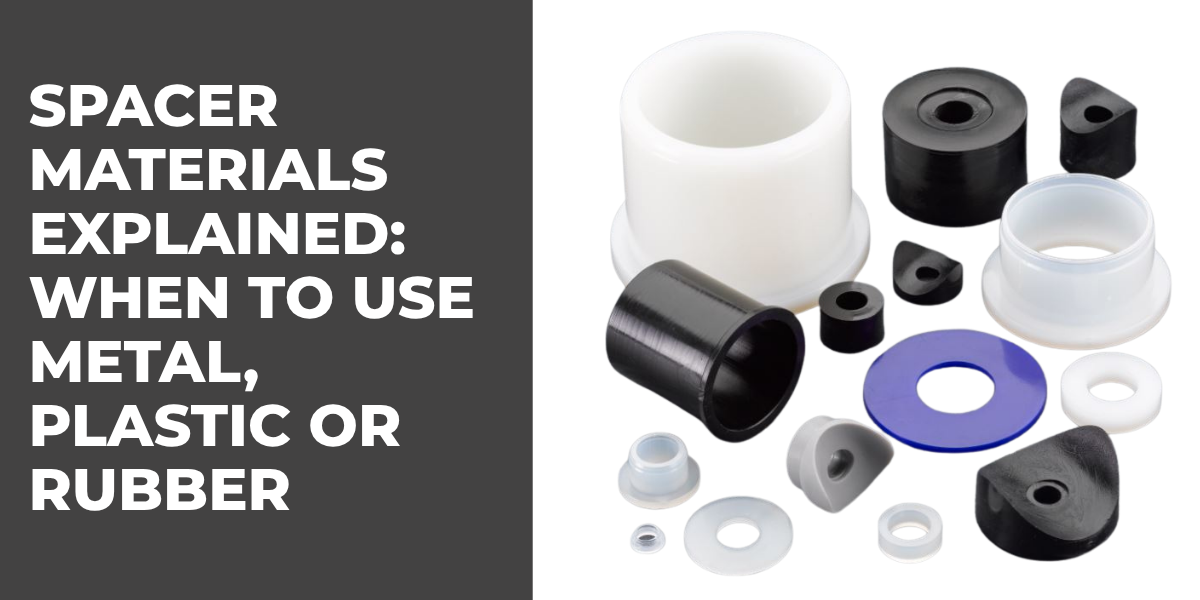
Spacer Materials Explained: When to Use Metal, Plastic or Rubber Spacers
By Bridey
/ 20 August 2026
Spacers may look like simple components, but the material you choose can greatly affect how an assembly performs. A spacer...
Read More
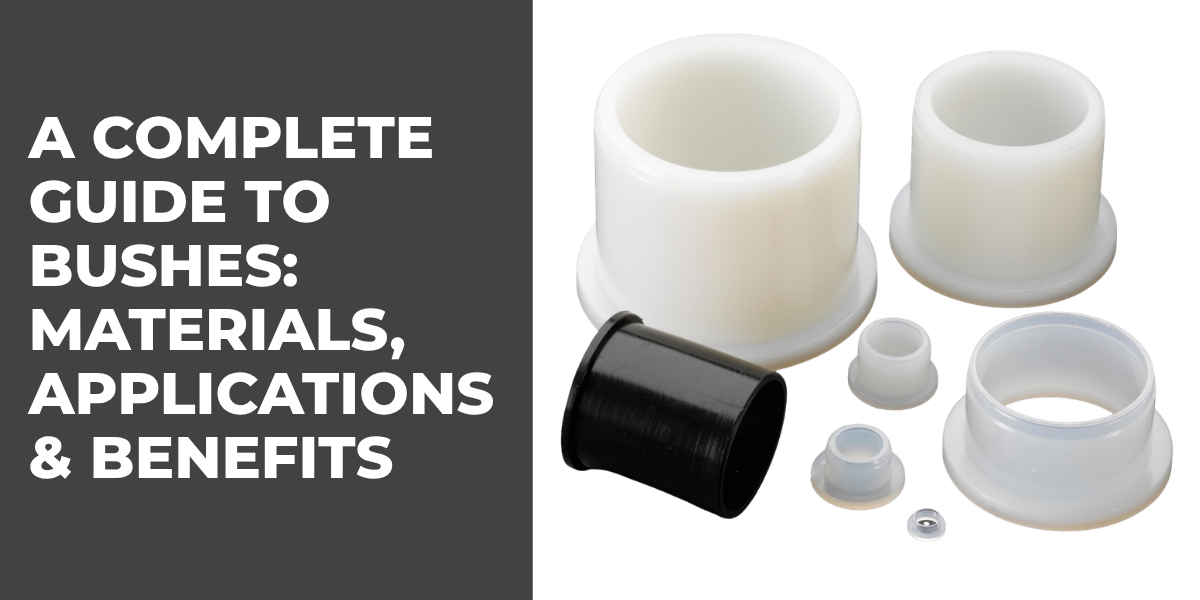
A Complete Guide to Bushes: Materials, Applications & Benefits
By Bridey
/ 13 August 2026
Bushes play an important role in mechanical assemblies, helping manufacturers manage movement, reduce friction, protect components and maintain accurate spacing....
Read More
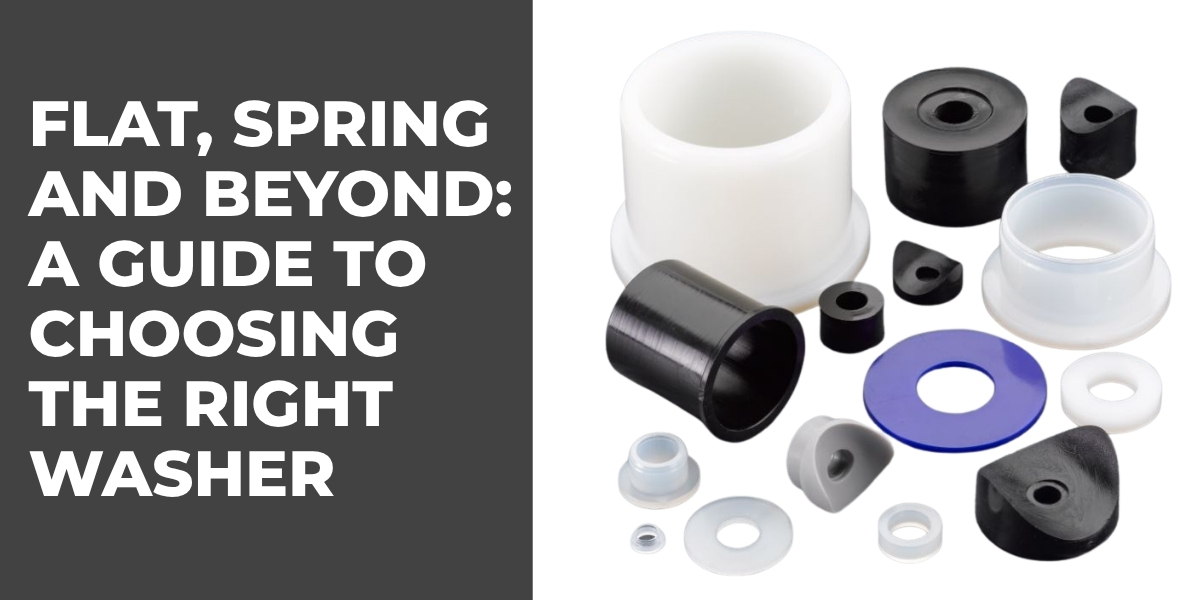
Flat, Spring and Beyond: A Guide to Choosing the Right Washer
By Bridey
/ 6 August 2026
Washers are small but essential components used in countless mechanical and industrial assemblies. While a standard flat washer may look...
Read More

The Importance of Accessibility-Compliant Cubicle Hardware
By Bridey
/ 30 July 2026
Choosing Toilet Cubicle Fittings for Accessible Commercial Washrooms Accessibility is an increasingly important consideration when designing commercial washrooms. For architects,...
Read More
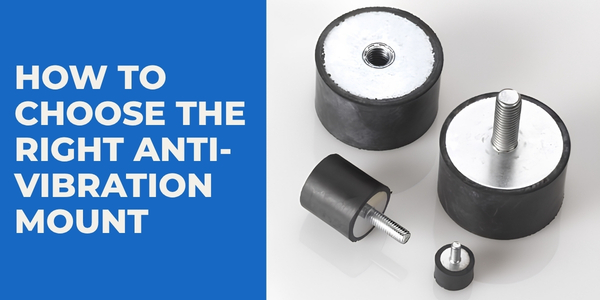
How to Choose the Right Anti-Vibration Mount
By Bridey
/ 23 July 2026
Choosing the right anti-vibration mount isn't simply a case of finding a mount that fits. The correct solution needs to...
Read More
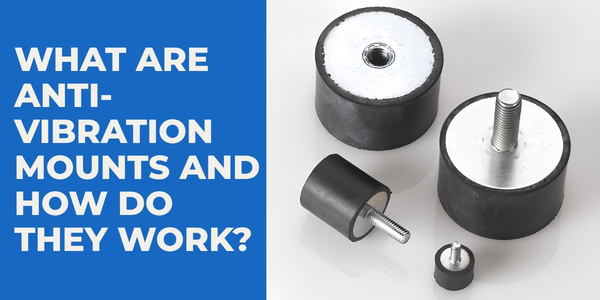
What Are Anti-Vibration Mounts and How Do They Work?
By Bridey
/ 16 July 2026
Vibration is an unavoidable part of many mechanical and industrial applications. Motors, pumps, compressors, generators and other machinery naturally move...
Read More
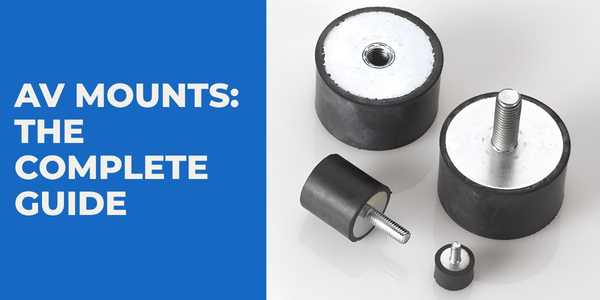
AV Mounts: The Complete Guide
By Bridey
/ 9 July 2026
Vibration can be an unavoidable part of operating machinery, equipment and mechanical systems. While some movement is perfectly normal, excessive...
Read More

X3 Bench Desk: Flexible Modular Office Desks for Every Workspace
By bpfadmin
/ 2 July 2026
A bench desk is one of the most efficient ways to maximise office space while creating a collaborative working environment....
Read More

A Step-by-Step guide to help you find the right size and type of tube/wire fitting for any application
1. What Size Do I need?
When buying any tube inserts, end caps & wire fittings the first thing you need to do is know how to measure tube / piping so you can determine which size of fitting you need. Depending on which type of fitting you decide on there are 2 measurements you will need to know; the outside / external dimensions, and for internal fitting tube inserts you will also need to measure the wall thickness / gauge size.
a. How to measure the outside dimensions

If you don’t have a Vernier you can also use a ruler to measure the dimensions
Measure the distance represented by the solid line to the outside of the tube/wire.

b. How to measure the wall thickness / gauge

If the wall thickness of an insert isn’t listed on our website then it’s generally 1-2mm or 14/20 gauge.
2. Tube Insert Or External Fitting Ferrule?
When you know what size is needed the next step is to decide on which fitting you want. At BPF we offer the choice of internal fitting tube inserts or external fitting ferrules:
 3. What type of fitting do I need?
The final thing to decide is which type of fitting you need. Here at we BPF we have a range of different Inserts and ferrules for various applications:
