BPF Online Blog

FREE UK carriage on orders over £250 nett      No minimum order value      Trade discounts       Order FREE samples online       Last cut off for overnight: 3pm

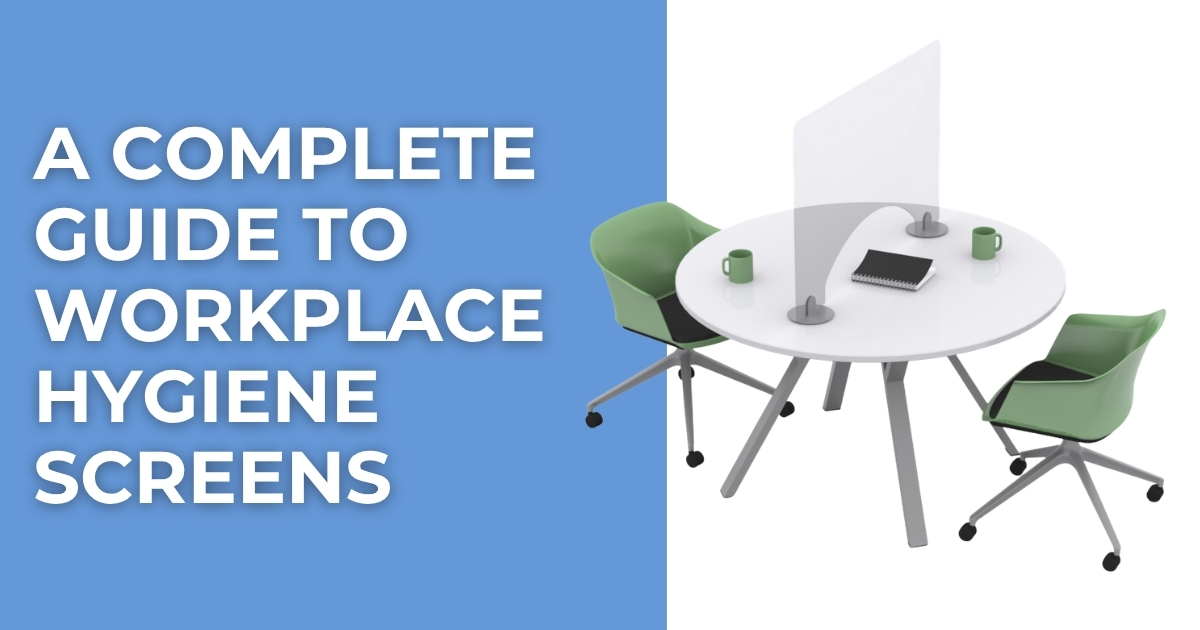
A Complete Guide to Workplace Hygiene Screens

Workplace hygiene screens provide a practical way to create physical separation between people in offices, reception areas, retail environments, service...
Read More

Why Bolt Caps Matter on Playground Equipment

When manufacturers and installers build playground equipment, they need to consider every component, right down to the smallest fixing. Bolts,...
Read More

Spacer Materials Explained: When to Use Metal, Plastic or Rubber Spacers

Spacers may look like simple components, but the material you choose can greatly affect how an assembly performs. A spacer...
Read More
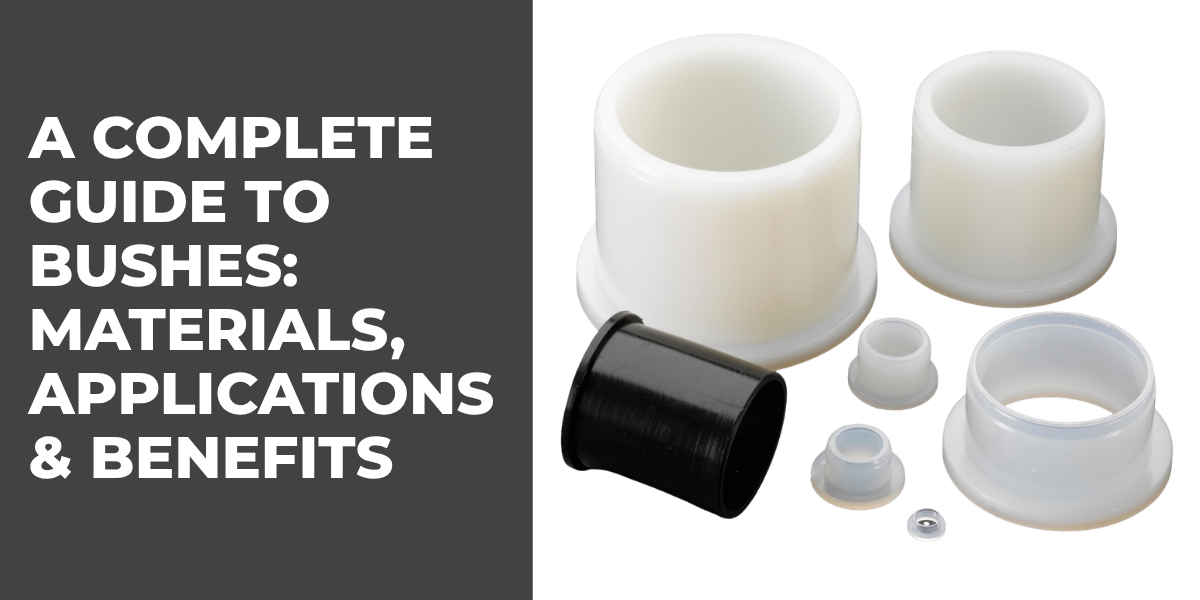
A Complete Guide to Bushes: Materials, Applications & Benefits

Bushes play an important role in mechanical assemblies, helping manufacturers manage movement, reduce friction, protect components and maintain accurate spacing....
Read More

Flat, Spring and Beyond: A Guide to Choosing the Right Washer

Washers are small but essential components used in countless mechanical and industrial assemblies. While a standard flat washer may look...
Read More
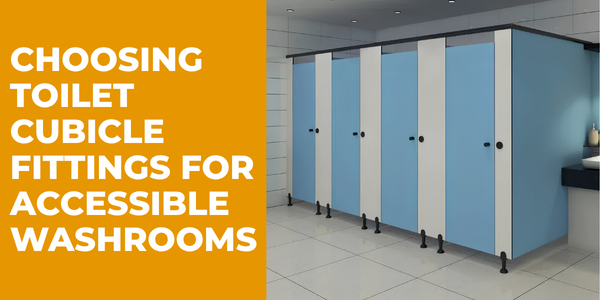
The Importance of Accessibility-Compliant Cubicle Hardware

Choosing Toilet Cubicle Fittings for Accessible Commercial Washrooms Accessibility is an increasingly important consideration when designing commercial washrooms. For architects,...
Read More
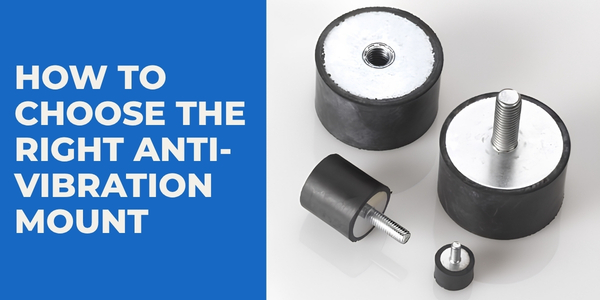
How to Choose the Right Anti-Vibration Mount

Choosing the right anti-vibration mount isn't simply a case of finding a mount that fits. The correct solution needs to...
Read More
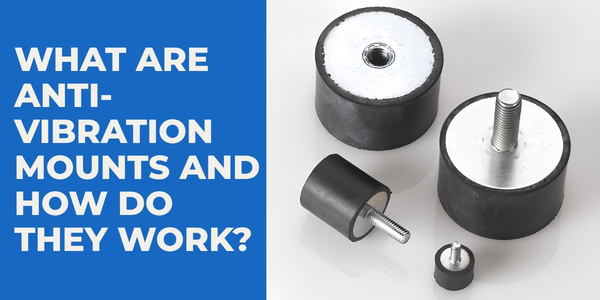
What Are Anti-Vibration Mounts and How Do They Work?

Vibration is an unavoidable part of many mechanical and industrial applications. Motors, pumps, compressors, generators and other machinery naturally move...
Read More
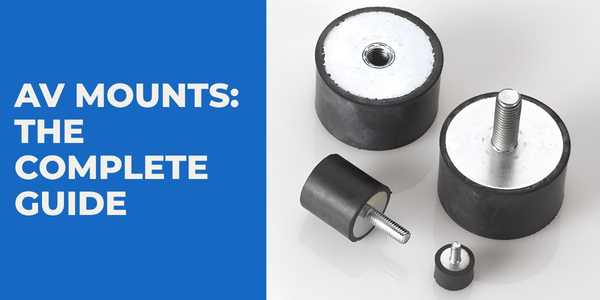
AV Mounts: The Complete Guide

Vibration can be an unavoidable part of operating machinery, equipment and mechanical systems. While some movement is perfectly normal, excessive...
Read More
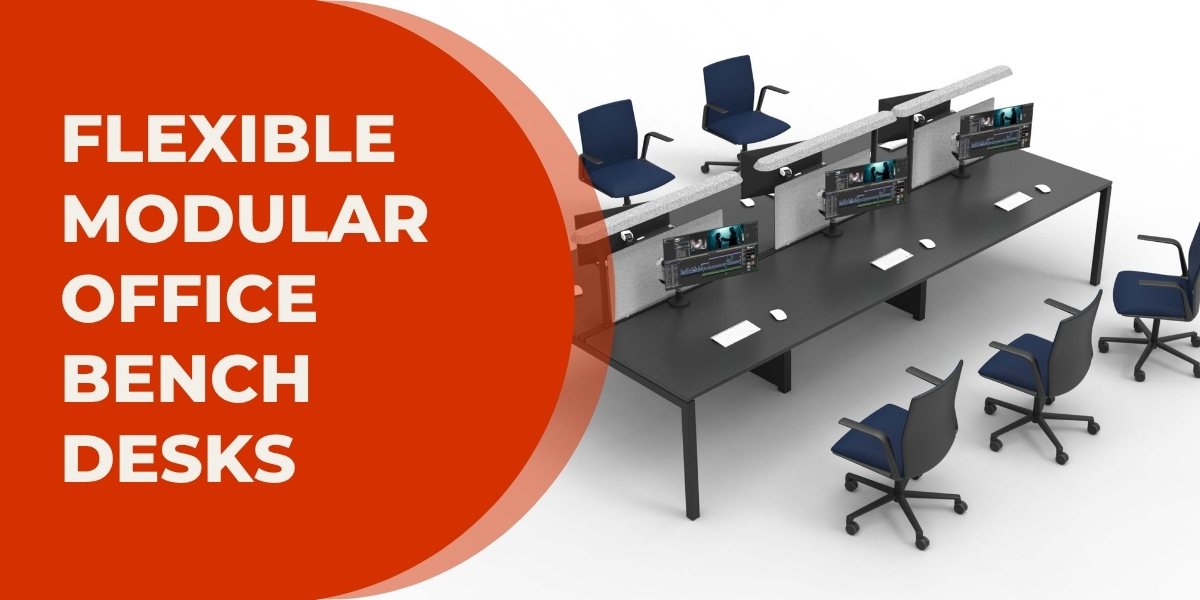
X3 Bench Desk: Flexible Modular Office Desks for Every Workspace

A bench desk is one of the most efficient ways to maximise office space while creating a collaborative working environment....
Read More
Office Desk

How to save energy in the workplace

Sustainability isn’t just something for global organisations to think about. Making your office more energy efficient is something we should all do. And, in taking steps to reduce and conserve the energy we’re using, we can also save ourselves money. In fact, according to the Energy Saving Trust, the average small and medium-sized enterprise could reduce their energy bills by 18-25% by implementing just a few simple energy efficiency measures.

Heating

  1. According to the Energy Saving Trust, heating accounts for around 40% of energy use in a non-domestic building so it makes sense to top up insulation and block any draughts you can to reduce the amount of heat that your office space is losing.
  2. Keep your thermostat at a reasonable temperature and discourage or prevent employees from turning it up to “warm the room up faster”. Increasing the temperature on the thermostat only serves to warm the room for longer and to a higher temperature before switching off – it doesn’t change how long it takes for the room to the desired temperature. The Energy Saving Trust recommends you set the heating at 19 degrees in an office and if you have air conditioning, 24 degrees centigrade or higher.
  3. Ensure windows are shut when the heating is on.
  4. Remove obstructions from in front of radiators. Install wall-mounted coat hooks for coats and bags – this can help to dissuade employees from using the radiators to dry or warm coats.
  5. Ensure desks and furniture aren’t placed in front of radiators where they could block heat.

Lighting

  1. Switch off lights when they aren’t needed. Often, lights are left on unnecessarily in corridors, meeting rooms and storage areas that don’t need to be lit. Consider motion-sensor lighting for areas where use is intermittent.
  2. Check your lightbulbs have all been switched to low-energy LEDs. If they haven’t, switch them over and see your energy use decrease right away.
  3. Move workstations and desk areas to spaces that benefit from natural light. This is good for both your energy bill, and for your employees.

Power Use

  1. Encourage staff to turn off monitors and computers at the plug when they leave as standby mode continues to use energy. If plugs aren’t easily accessible, you can use pop up power units to make plugs more easily accessible and incentivise users to unplug devices not in use.
  2. Newer printer and copier models tend to have energy-saving features built into them. If you can’t afford to update older models, consider printer or photocopier management, or alternatively, just ensure your devices are all switched off at night.

Other useful energy-saving tips

Recycle what you can – most things these days can be recycled. Install plenty of recycling bins around the office for different materials. If space is at a premium, an under-desk swivel recycling bin on an arm is a great way to ensure everyone has a conveniently positioned recycling bin to recycle paper.

Encourage walking or cycling to work

By providing bike parking or secure bike storage at work, you can encourage more of your workforce to cycle to work, reducing the environmental impact on the planet.

For more tips on how to save energy in the office, visit the Energy Saving Trust website here.

If you have any questions about any of our products, you can chat with our friendly advisors online.