BPF Online Blog

FREE UK carriage on orders over £250 nett      No minimum order value      Trade discounts       Order FREE samples online       Last cut off for overnight: 3pm

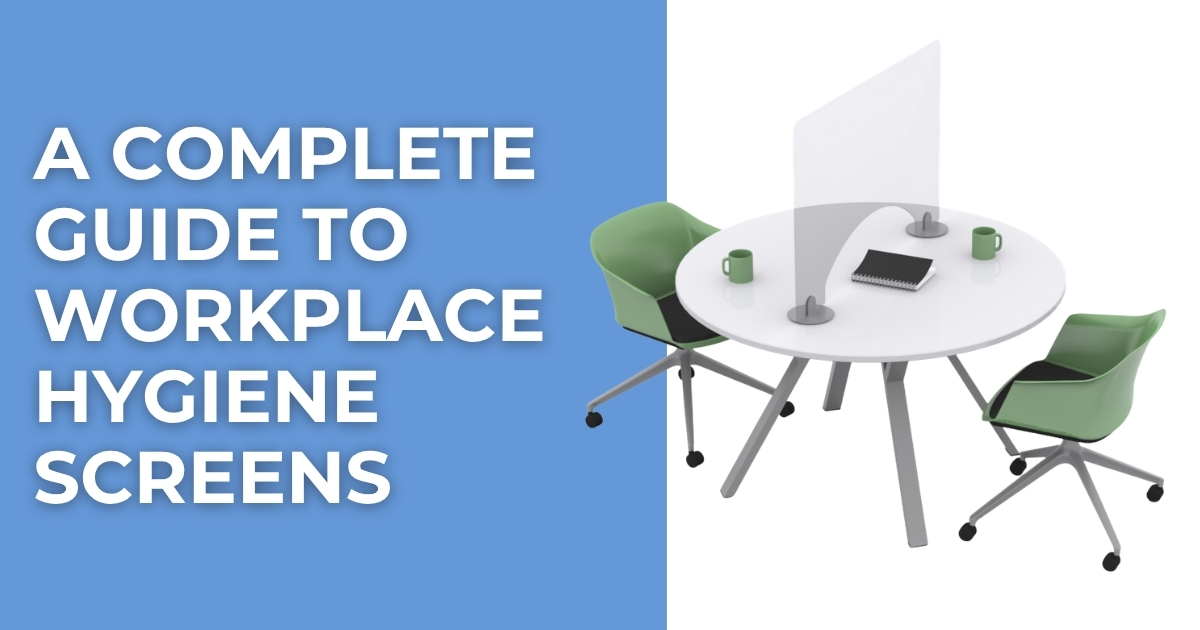
A Complete Guide to Workplace Hygiene Screens

Workplace hygiene screens provide a practical way to create physical separation between people in offices, reception areas, retail environments, service...
Read More

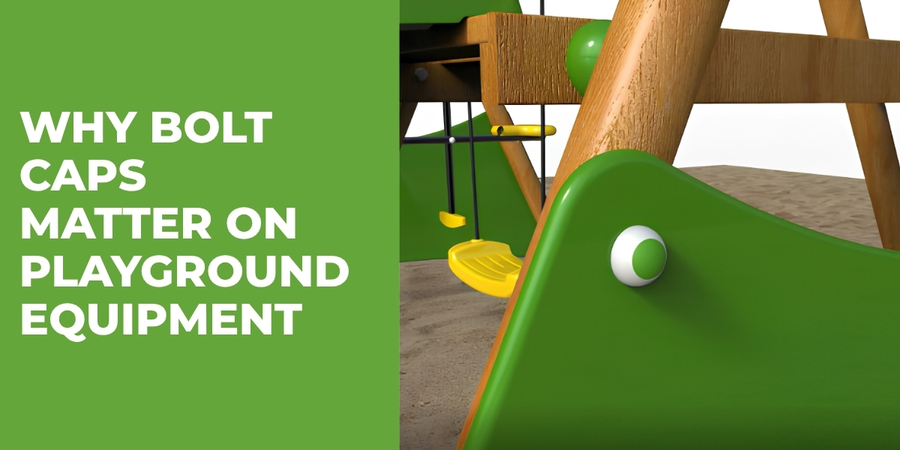
Why Bolt Caps Matter on Playground Equipment

When manufacturers and installers build playground equipment, they need to consider every component, right down to the smallest fixing. Bolts,...
Read More
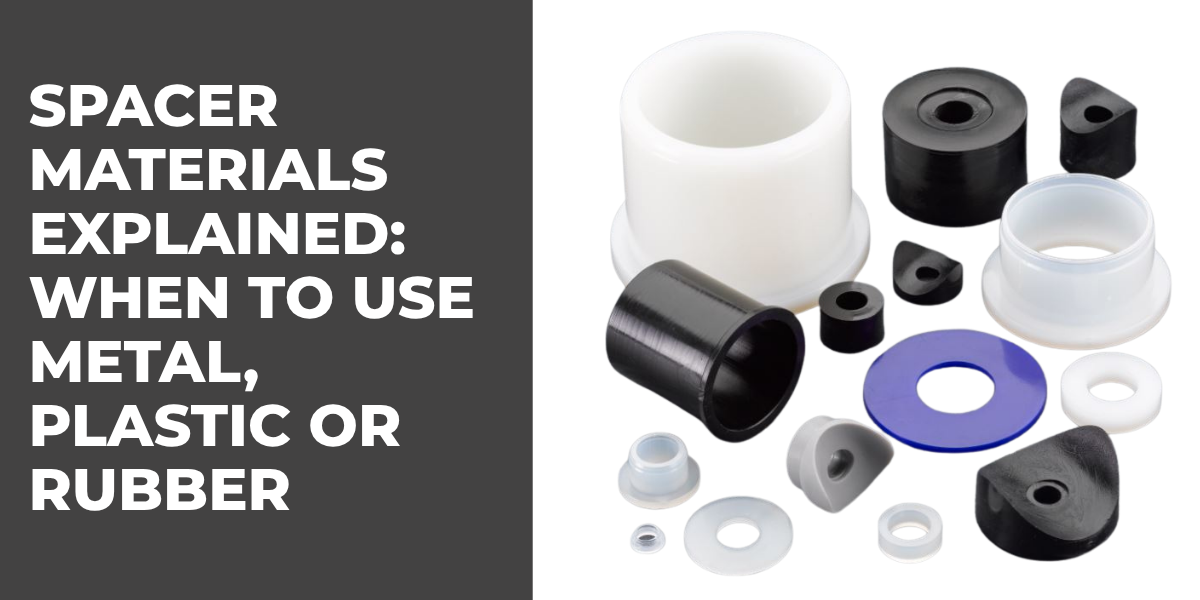
Spacer Materials Explained: When to Use Metal, Plastic or Rubber Spacers

Spacers may look like simple components, but the material you choose can greatly affect how an assembly performs. A spacer...
Read More
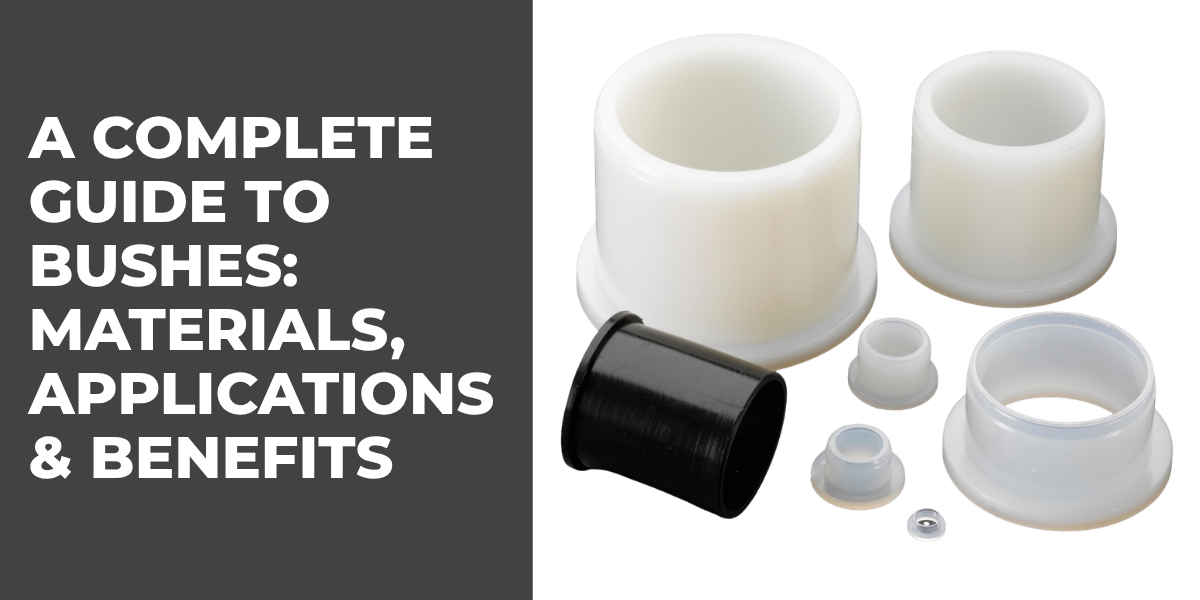
A Complete Guide to Bushes: Materials, Applications & Benefits

Bushes play an important role in mechanical assemblies, helping manufacturers manage movement, reduce friction, protect components and maintain accurate spacing....
Read More
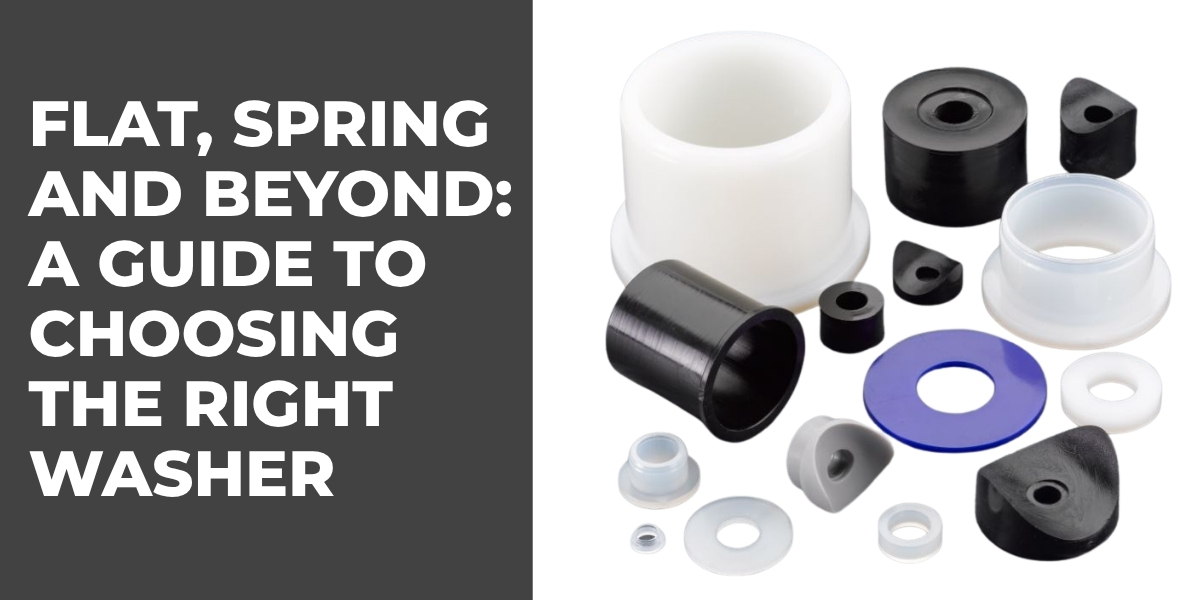
Flat, Spring and Beyond: A Guide to Choosing the Right Washer

Washers are small but essential components used in countless mechanical and industrial assemblies. While a standard flat washer may look...
Read More
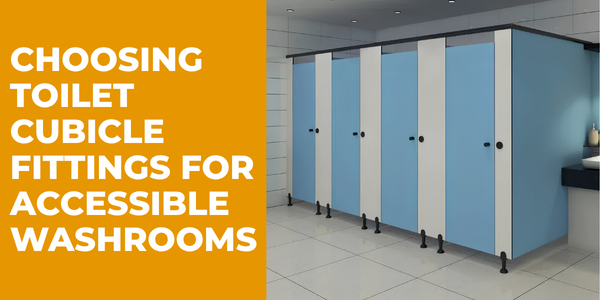
The Importance of Accessibility-Compliant Cubicle Hardware

Choosing Toilet Cubicle Fittings for Accessible Commercial Washrooms Accessibility is an increasingly important consideration when designing commercial washrooms. For architects,...
Read More
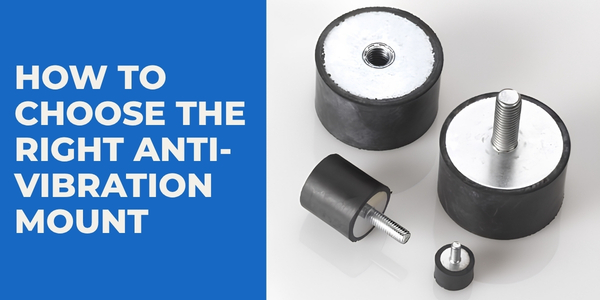
How to Choose the Right Anti-Vibration Mount

Choosing the right anti-vibration mount isn't simply a case of finding a mount that fits. The correct solution needs to...
Read More
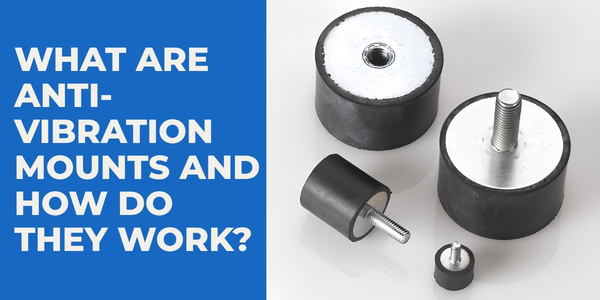
What Are Anti-Vibration Mounts and How Do They Work?

Vibration is an unavoidable part of many mechanical and industrial applications. Motors, pumps, compressors, generators and other machinery naturally move...
Read More
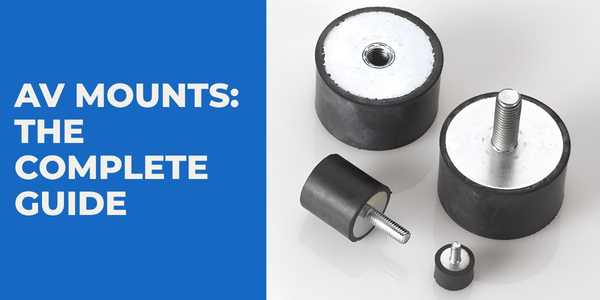
AV Mounts: The Complete Guide

Vibration can be an unavoidable part of operating machinery, equipment and mechanical systems. While some movement is perfectly normal, excessive...
Read More
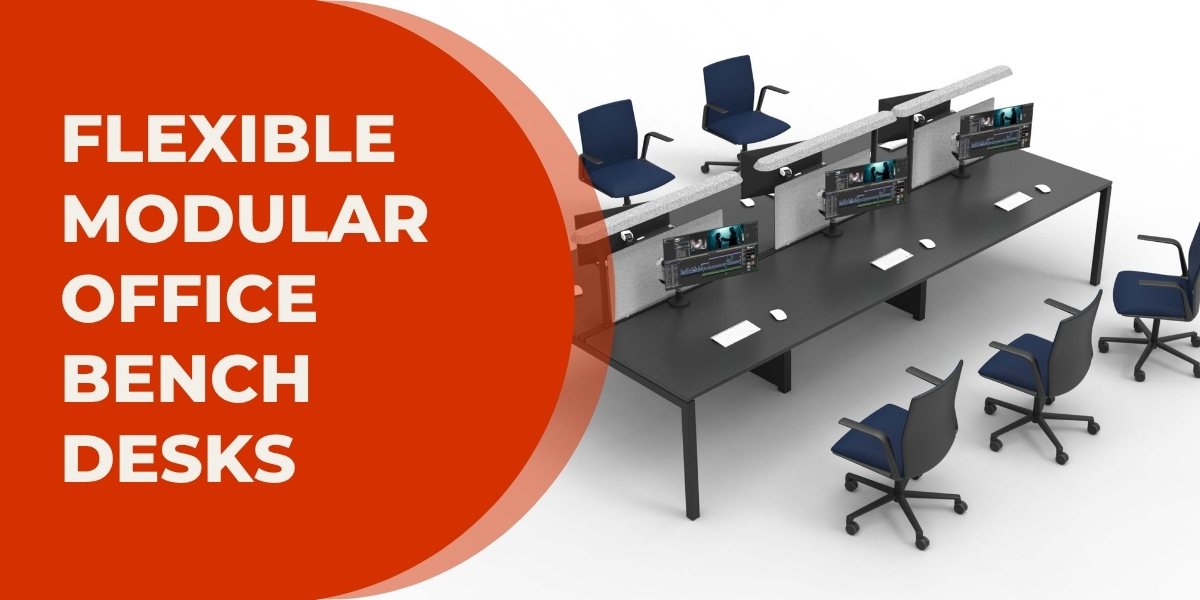
X3 Bench Desk: Flexible Modular Office Desks for Every Workspace

A bench desk is one of the most efficient ways to maximise office space while creating a collaborative working environment....
Read More

Two top tips to make self-adhesive pads and bumpers stick around longer

Self-adhesive feet and pads are inexpensive and extremely handy. They have many uses and benefits but they don’t always last that long. Today, we’ll look at self-adhesive feet and pads and a couple of things you can do when applying them to make them last as long as possible.

What are self-adhesive feet and pads?

Self-adhesive feet or pads usually have adhesive on one side so they can be peeled off paper and applied directly. This makes application really easy as there is no need to use glue or glue guns. The opposite side will either be rubber, plastic, felt or foam, depending on the application they are being used for.

Self-adhesive felt pads are often used to stop floors or furniture from being damaged by other furniture or things rubbing against them. They can be stuck on the underside of chair or table legs to prevent them from scratching a wooden or composite floor, or on the underside of a vase or bowl to stop it from scratching the table it rests upon.

Foam self-adhesive pads are sometimes used to protect things from bumping together and becoming damaged. Foam pads are used extensively in arts and crafts for picture mounting and card making. Foam pads can also be used on the bottom of breakables or picture frames to stop them from slipping on their surface. Foam also has noise-damping qualities, so sometimes these self-adhesive foam pads are used to reduce the noise levels of machines and equipment.

Self-adhesive rubber feet and bumpers have a wide range of uses – crafts, cutting boards, drawers, doors – you find self-adhesive bumpers everywhere. They are used to stop things sliding around, to lift things, and to protect surfaces. The rubber self-adhesive feet or bumpers come in all sorts of shapes and sizes, so you can always find the perfect fit for your application. They are also available in transparent, black and grey so you can find the right self-adhesive feet for a seamless look.

Two essential tips for a professional finish from your self-adhesive application

Self-adhesive sticky pads, bumpers or feet are some of the easiest products we have within our range when it comes to fitting. However, there are a few tips and tricks to make your bumpers last longer and look better – steps that many people tend to miss and later pay the price for.

  1. Ensure your bumper is the right size. A foot or bumper that is too big will get dust, fluff and hair stuck to it, making it unsightly and compromising the sticky surface. A bumper that is too big won’t allow for equal weight distribution which makes it more likely the bumper will come unstuck faster. This, in turn, risks leaving the floor or furniture susceptible to damage if it isn’t replaced in time.Foam and felt pads, rubber feet and bumpers are available in a wide variety of colours, shapes and sizes so they can fit discretely to your application. We have conical, square, cylindrical and hemispherical rubber feet of many different sizes. With our wide range of self-adhesive pads, you’ll be able to find exactly the right shape and size for your needs.
  2. Ensure that before sticking, the surface you plan to stick it to is completely clean. With plastic, metal, and some laminates, wiping the surface with rubbing alcohol first can help remove any residue or dirt. This will help promote a better connection and the resulting stick and longevity of the self-adhesive pad.

As always, our BPF customer service team are here if you need any advice about the best self-adhesive felt pad or rubber bumper for your application or project. Simply give us a call or drop us a message on our website chat.