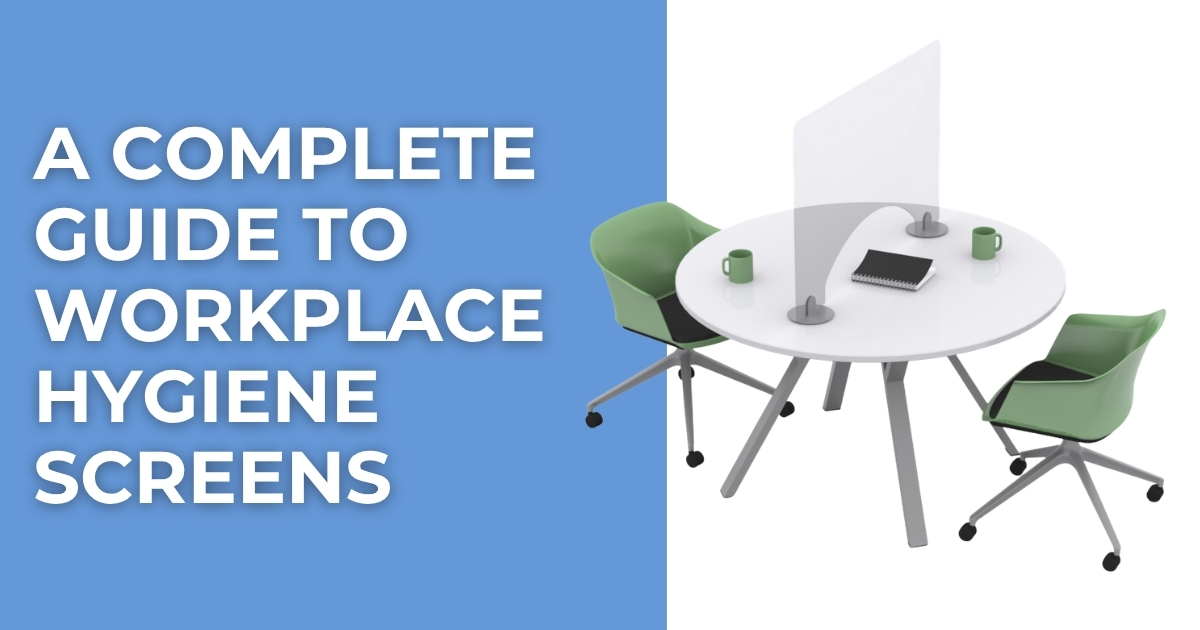
Workplace hygiene screens provide a practical way to create physical separation between people in offices, reception areas, retail environments, service...
Read More


 FREE UK carriage on orders over £250 nett
 No minimum order value
 Trade discounts
 Order FREE samples online
 Last cut off for overnight: 3pm

Why Bolt Caps Matter on Playground Equipment
By Bridey
/ 27 August 2026
When manufacturers and installers build playground equipment, they need to consider every component, right down to the smallest fixing. Bolts,...
Read More
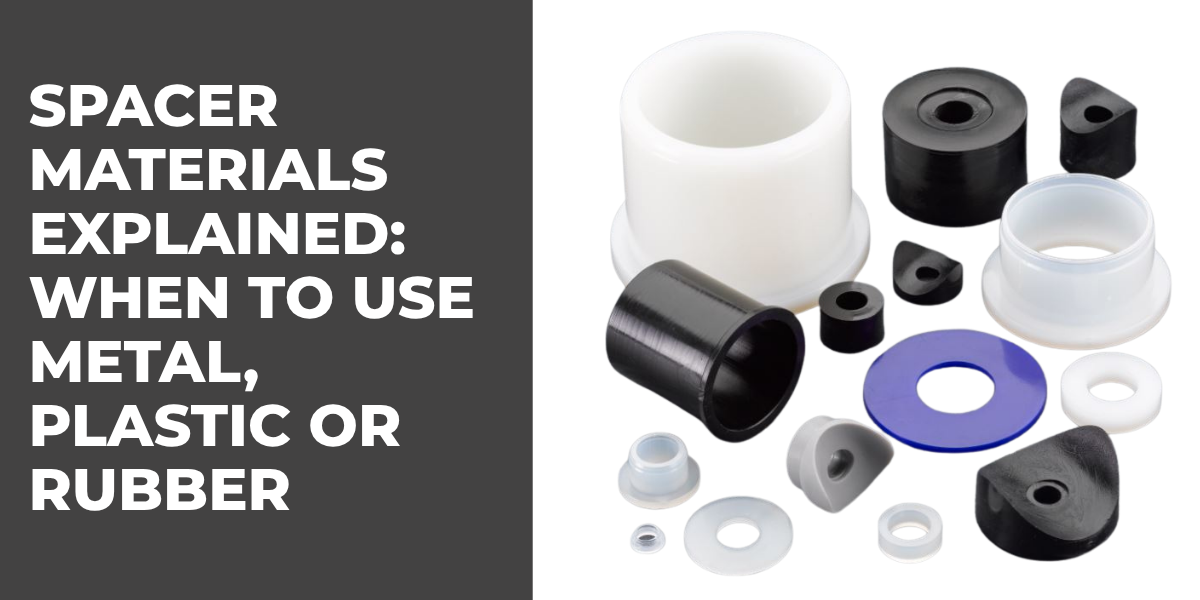
Spacer Materials Explained: When to Use Metal, Plastic or Rubber Spacers
By Bridey
/ 20 August 2026
Spacers may look like simple components, but the material you choose can greatly affect how an assembly performs. A spacer...
Read More
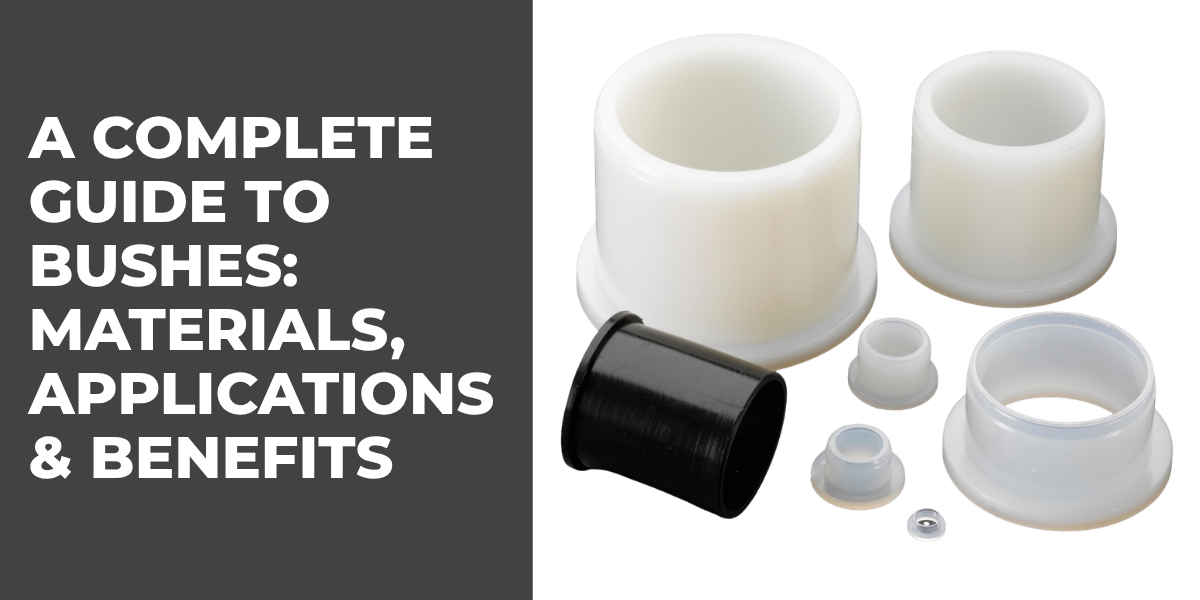
A Complete Guide to Bushes: Materials, Applications & Benefits
By Bridey
/ 13 August 2026
Bushes play an important role in mechanical assemblies, helping manufacturers manage movement, reduce friction, protect components and maintain accurate spacing....
Read More
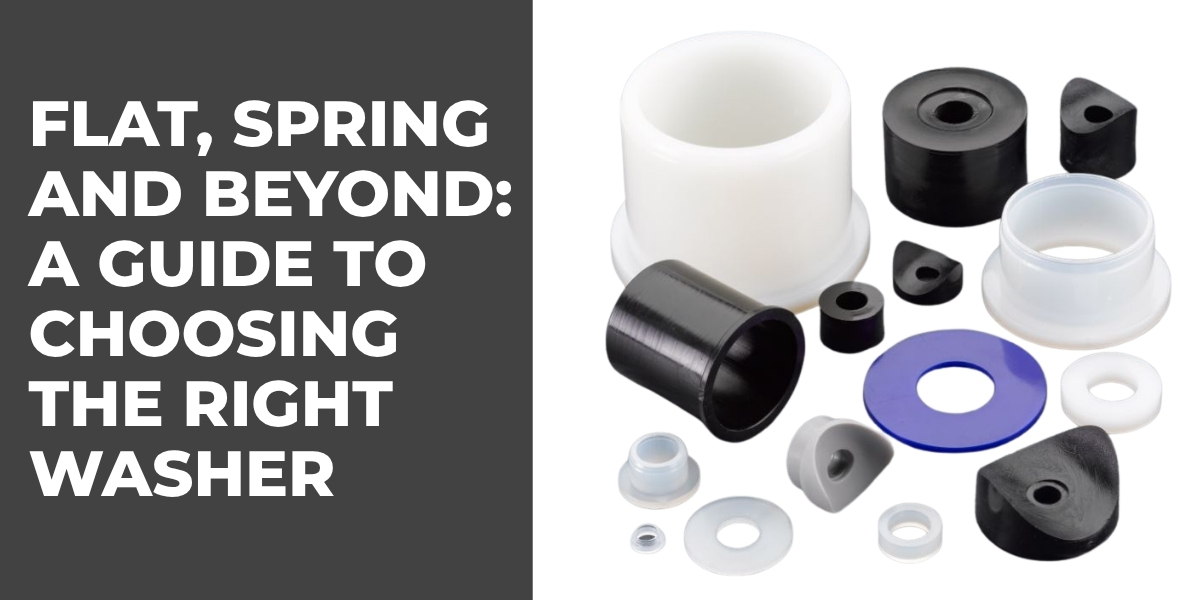
Flat, Spring and Beyond: A Guide to Choosing the Right Washer
By Bridey
/ 6 August 2026
Washers are small but essential components used in countless mechanical and industrial assemblies. While a standard flat washer may look...
Read More
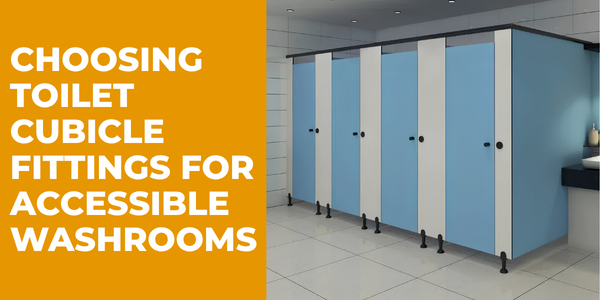
The Importance of Accessibility-Compliant Cubicle Hardware
By Bridey
/ 30 July 2026
Choosing Toilet Cubicle Fittings for Accessible Commercial Washrooms Accessibility is an increasingly important consideration when designing commercial washrooms. For architects,...
Read More
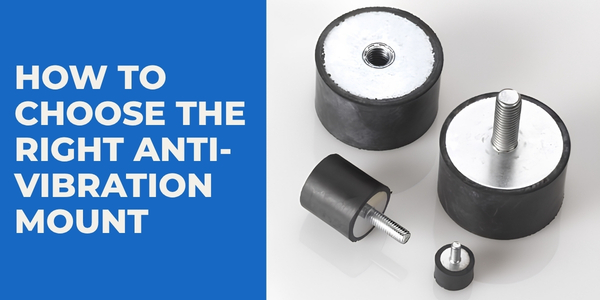
How to Choose the Right Anti-Vibration Mount
By Bridey
/ 23 July 2026
Choosing the right anti-vibration mount isn't simply a case of finding a mount that fits. The correct solution needs to...
Read More
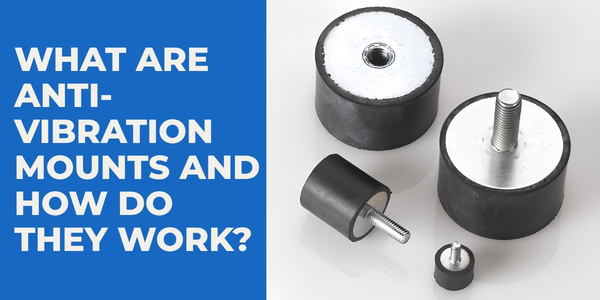
What Are Anti-Vibration Mounts and How Do They Work?
By Bridey
/ 16 July 2026
Vibration is an unavoidable part of many mechanical and industrial applications. Motors, pumps, compressors, generators and other machinery naturally move...
Read More
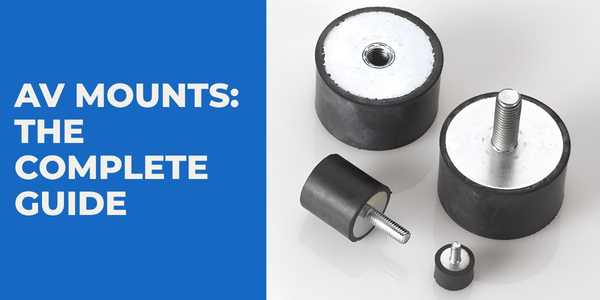
AV Mounts: The Complete Guide
By Bridey
/ 9 July 2026
Vibration can be an unavoidable part of operating machinery, equipment and mechanical systems. While some movement is perfectly normal, excessive...
Read More
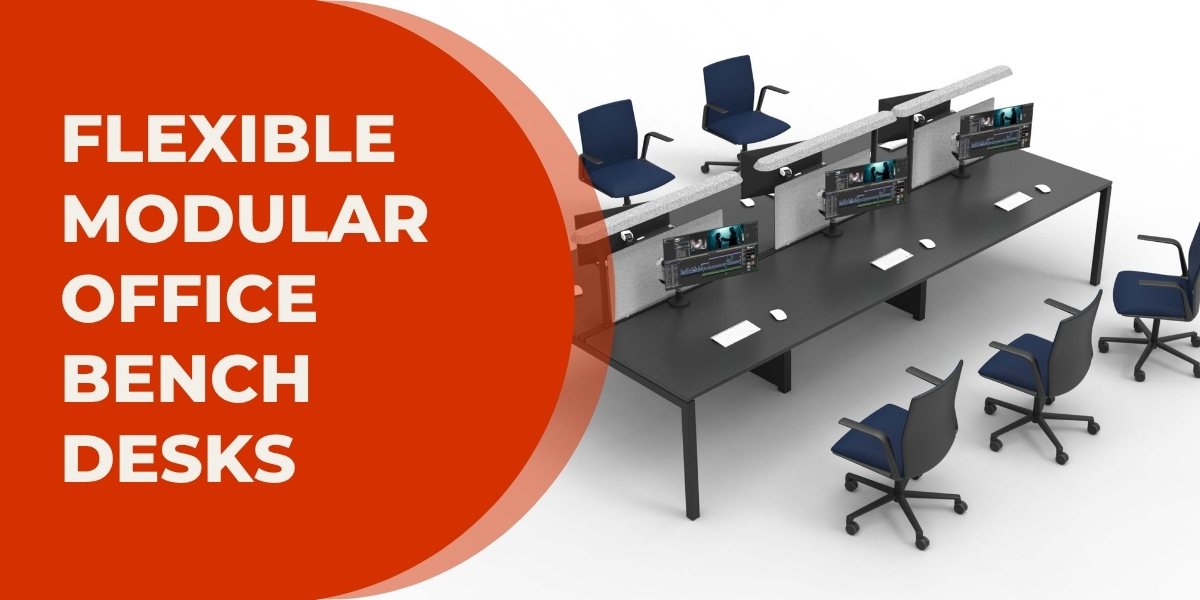
X3 Bench Desk: Flexible Modular Office Desks for Every Workspace
By bpfadmin
/ 2 July 2026
A bench desk is one of the most efficient ways to maximise office space while creating a collaborative working environment....
Read More
Millions of us spend 30+ hours a week sitting in office chairs, often unaware of how much it impacts our posture, comfort, and long-term health. Choosing the right ergonomic chair can make all the difference. In this blog post, we’ll dive into the world of ergonomics, and why they are essential in the workplace.
What is an ergonomic chair?
An ergonomic chair is specifically designed to provide optimal support, adjustability, and comfort, helping to reduce strain on the body and encourage good posture.
What does “ergonomic” mean?
Simply put, the word “ergonomic” describes furniture or equipment that is comfortable for the user. It’s often used when referring to how office furniture or equipment ‘fits’ with people within the working environment.

What makes a chair ergonomic?
Ergonomic chairs are designed to support the body’s natural alignment, reduce musculoskeletal problems, and enhance comfort.
Key features of an ergonomic chair include:
- Adjustable seat height to ensure the user’s feet are flat on the floor with their thighs parallel to the ground. This is to reduce pressure on the lower back and help promote circulation.
- Lumbar support to maintain the natural curvature of the spine. This prevents slouching and reduces strain on the spine and lower back muscles.
- Adjustable armrests support the forearms while reducing tension in the shoulders and neck.
- A supportive backrest to support the spine’s natural curve. The backrest should also be adjustable in height and angle, as optional reclining allows the user to change their posture and reduce pressure on the spine.
- Sufficient seat depth and width to support the user comfortably. Ideally, there should be a 2-3 inch gap between the back of the knees and the edge of the chair.
- A swivel base and smooth-rolling castors allow the user to move and reach different areas of the workspace without straining or twisting the body unnaturally.
- A tilt mechanism to allow users to adjust the angle of the seat, promoting dynamic sitting and reducing static pressure on the spine.
- Breathable fabrics or mesh chairs enhance comfort and prevent overheating during long hours of sitting.
Ultimately, if you spend significant time sitting and want to prioritise comfort and health, an ergonomic chair is a worthwhile investment.

Conclusion
Incorporating an ergonomic chair into your workspace is one of the most effective ways to promote comfort, support, and good posture, especially during long hours at the office. By selecting a chair with adjustable features and lumbar support, you can reduce strain on your body and prevent long-term discomfort or injury. Invest in an ergonomic chair, and your body will thank you!
You can find a wide range of ergonomic chairs on our website at www.box15.co.uk. Or, if you have any specific questions, the Box15 team are always on hand to help. Contact our team using our online chat at www.box15.co.uk.