BPF Online Blog

FREE UK carriage on orders over £250 nett      No minimum order value      Trade discounts       Order FREE samples online       Last cut off for overnight: 3pm

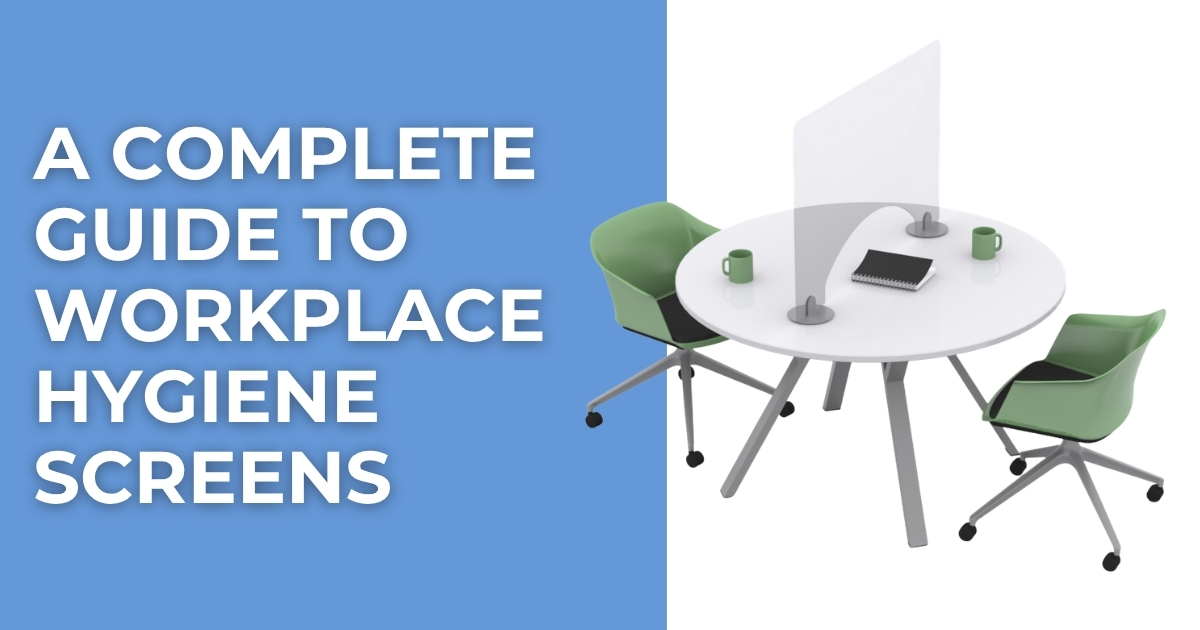
A Complete Guide to Workplace Hygiene Screens

Workplace hygiene screens provide a practical way to create physical separation between people in offices, reception areas, retail environments, service...
Read More

Why Bolt Caps Matter on Playground Equipment

When manufacturers and installers build playground equipment, they need to consider every component, right down to the smallest fixing. Bolts,...
Read More
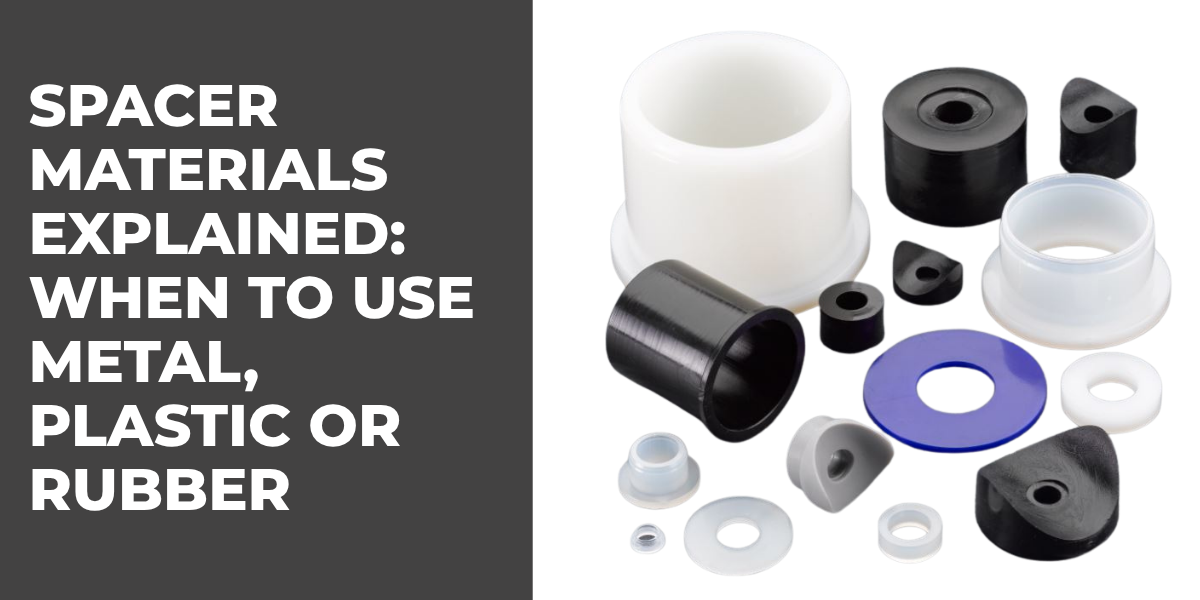
Spacer Materials Explained: When to Use Metal, Plastic or Rubber Spacers

Spacers may look like simple components, but the material you choose can greatly affect how an assembly performs. A spacer...
Read More
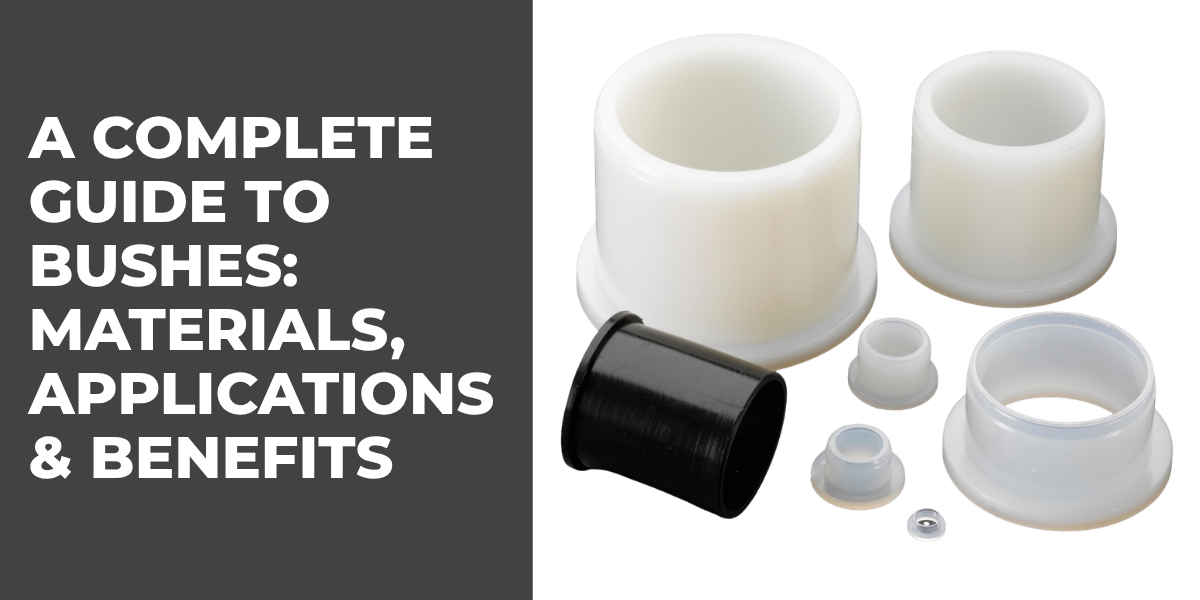
A Complete Guide to Bushes: Materials, Applications & Benefits

Bushes play an important role in mechanical assemblies, helping manufacturers manage movement, reduce friction, protect components and maintain accurate spacing....
Read More
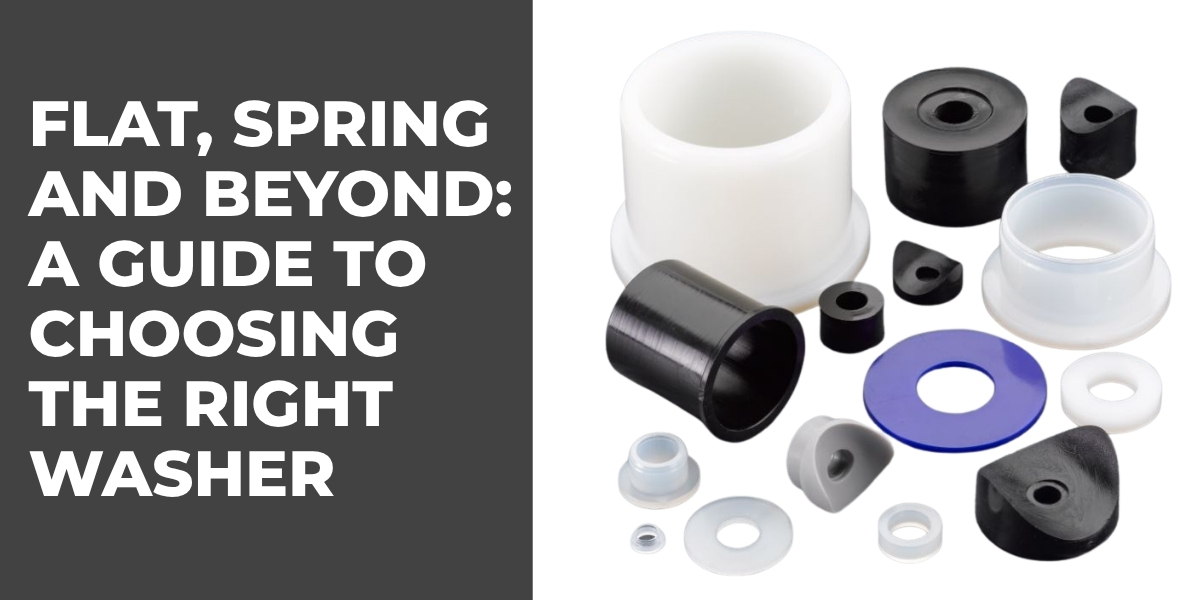
Flat, Spring and Beyond: A Guide to Choosing the Right Washer

Washers are small but essential components used in countless mechanical and industrial assemblies. While a standard flat washer may look...
Read More
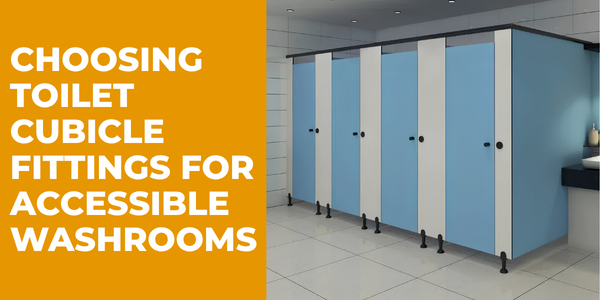
The Importance of Accessibility-Compliant Cubicle Hardware

Choosing Toilet Cubicle Fittings for Accessible Commercial Washrooms Accessibility is an increasingly important consideration when designing commercial washrooms. For architects,...
Read More
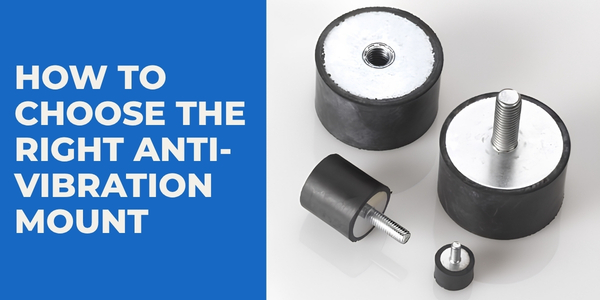
How to Choose the Right Anti-Vibration Mount

Choosing the right anti-vibration mount isn't simply a case of finding a mount that fits. The correct solution needs to...
Read More
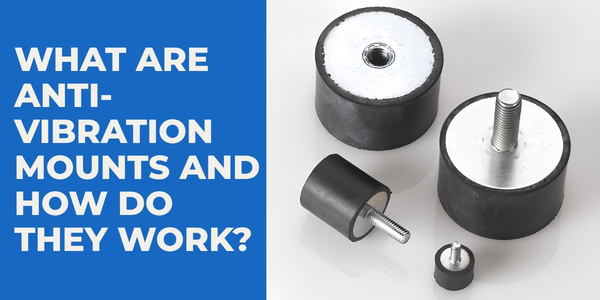
What Are Anti-Vibration Mounts and How Do They Work?

Vibration is an unavoidable part of many mechanical and industrial applications. Motors, pumps, compressors, generators and other machinery naturally move...
Read More
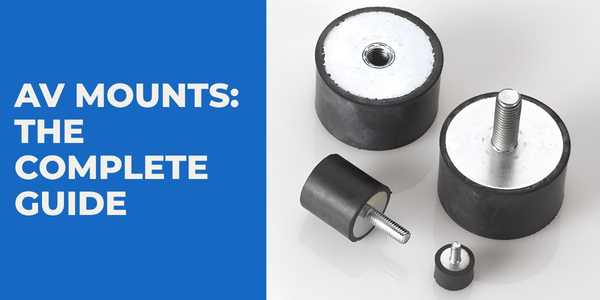
AV Mounts: The Complete Guide

Vibration can be an unavoidable part of operating machinery, equipment and mechanical systems. While some movement is perfectly normal, excessive...
Read More
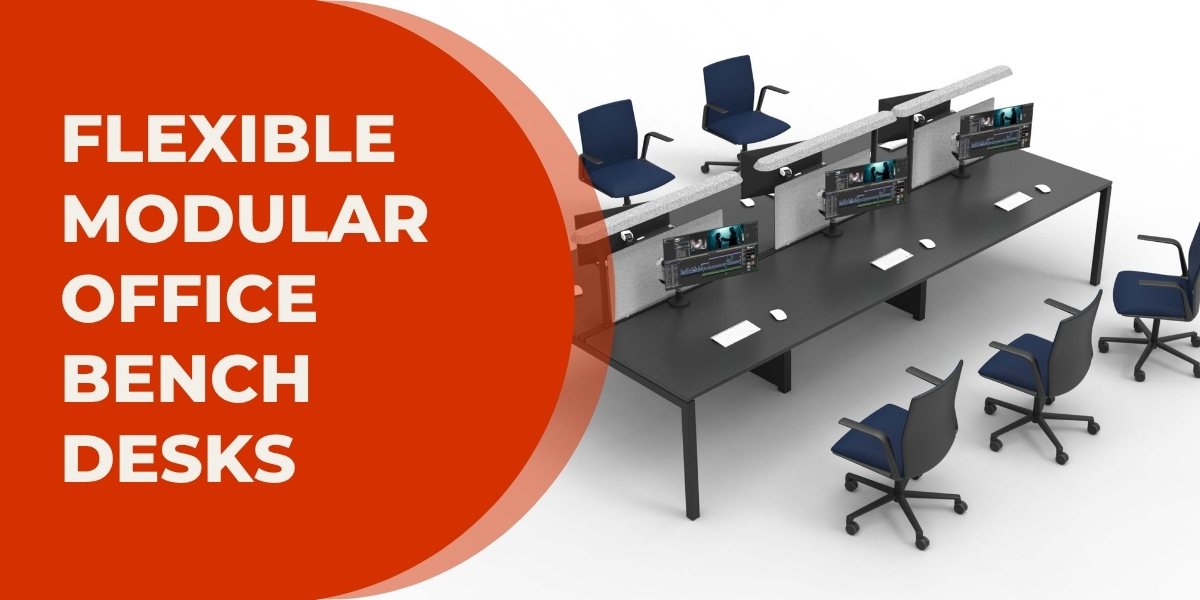
X3 Bench Desk: Flexible Modular Office Desks for Every Workspace

A bench desk is one of the most efficient ways to maximise office space while creating a collaborative working environment....
Read More

Why a sit stand desk is good for your health

Ask any osteopath about the best investment for your home office and you’re likely to get the same advice – invest in a sit stand desk. Sit stand desks, sometimes referred to as height-adjustable desks start from around £150, but can cost several thousand pounds for an electronic, state-of-the-art model.

Over the last 30 years, our lifestyles have become increasingly sedentary. Many of us with office jobs sit, on average, for between 70% and 85% of our working day. We go home, sit while we eat, and then, particularly during the winter months, spend most evenings sitting in front of the TV.

There is an extensive amount of epidemiological evidence that shows sedentary behaviour is associated with life-limiting health conditions. Illnesses such as Type 2 diabetes, heart disease, and some cancers are all increased by sitting for prolonged periods – and this increase in risk is independent of other risk factors such as body mass index, physical activity and poor mental health.

By encouraging office workers or desk workers to stand intermittently throughout the day, sit stand desks can help reduce the negative impact that sitting so much can have on your health.

What is a sit stand desk?

A sit stand desk, also known as a height-adjustable desk is an office desk that can be easily raised or lowered to accommodate sitting in a chair, or standing to work. Height-adjustable desks can be either manual, where the height is adjusted by the use of a lever or crank, a gas spring, or can be electronic, where the height can be controlled by a display control switch like this one to help the user to easily achieve the perfect height for good posture every time.

Why does a sit stand desk help?

Sit stand desks can reduce spinal compression

Back pain is responsible for the loss of 12 million working days every year, and according to Unison, many of these are caused by sprains, strains, being out of condition and posture problems – a direct result of our sedentary lifestyles. By mobilising our backs and standing we engage our core muscles, strengthen the muscles that support our spine and reduce the risk of injury and back pain. By regularly standing, you’re less likely to experience the discomfort that can come from compressing the spine for extended periods.

Using a sit stand desk can help you burn more calories

One study conducted by Harvard found that while sitting, participants burned 80 calories an hour – the same amount as they would watching television. However, while standing their calorie consumption increased to 88. When walking, this increased further to 210 calories an hour. While the increase in calories between sitting and standing is only marginal, if you extend that throughout the day, this could mean burning another 50 calories a day.

Improving body functions by standing up to work

However, there are more benefits of using a standing desk. The same Harvard study showed that following a meal, blood sugar levels return to normal faster for participants that stood more than those who tend to sit.

By standing, we encourage our heart to beat faster, helping to circulate blood around the body and providing more oxygenated blood to our brains for clearer thinking, and to our organs for improved function. A study conducted in a call centre by Texas A&M University found that those callers who stood up at work were 50% more productive. Research has proven that regular periods of standing or additional walking can lead to improvements in feelings of fatigue. Efficiency enhancement programmes such as the Pomodoro Technique tap into this by encouraging participants to get up and move regularly with recommended breaks every 25 minutes.

Advice if you’re considering switching to a sit/stand desk

If you’re thinking of adopting a sit-stand desk or a height-adjustable office, don’t expect to be able to stand all day long on the first day. If you do, you’re equally likely to injure yourself as you’ll be over-using muscles that just aren’t used to it. Ease into it to allow your muscles to adapt gradually.

Start by standing for 30-60 minutes a day and increase it gradually. You could set a time to remind you when to stand or when to sit, but you may find this breaks your concentration, so many find it more effective to earmark points within the day where you can shift your sitting position. This could be standing during meetings, or from your morning coffee until lunchtime. Play around with time and duration to find a sit/stand schedule that works for you.

At Box 15, we have a wide range of sit stand desks available from 600mm wide to 1800mm wide. We have height-adjustable desks that are operated by electronic, gas sprint or manual mechanisms, so whatever your needs, we’ll have a sit stand desk that‘s right for you. You can find our full range here on our website or call us on 01295 565001 for advice from our team.