BPF Online Blog

FREE UK carriage on orders over £250 nett      No minimum order value      Trade discounts       Order FREE samples online       Last cut off for overnight: 3pm

A Complete Guide to Workplace Hygiene Screens

Workplace hygiene screens provide a practical way to create physical separation between people in offices, reception areas, retail environments, service...
Read More

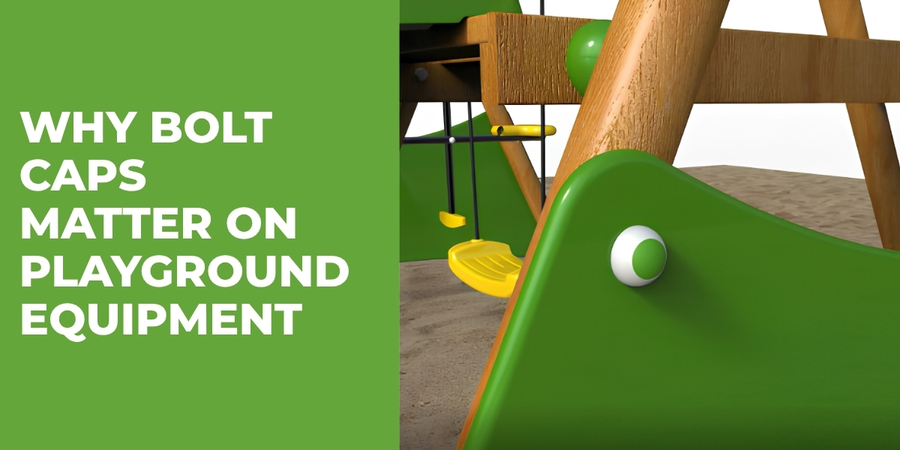
Why Bolt Caps Matter on Playground Equipment

When manufacturers and installers build playground equipment, they need to consider every component, right down to the smallest fixing. Bolts,...
Read More
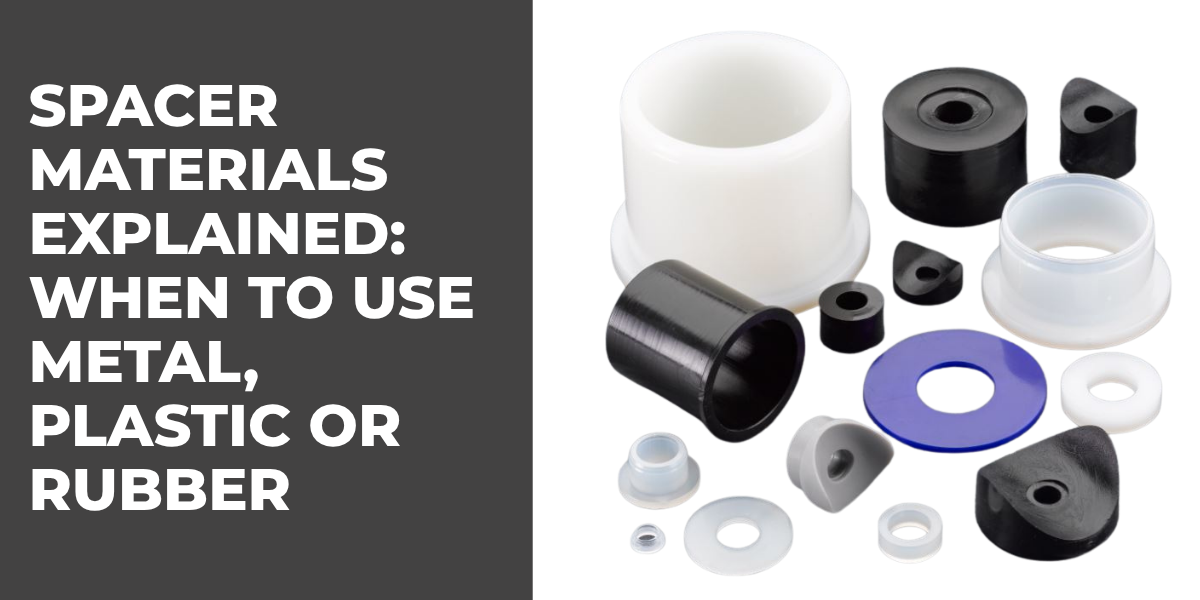
Spacer Materials Explained: When to Use Metal, Plastic or Rubber Spacers

Spacers may look like simple components, but the material you choose can greatly affect how an assembly performs. A spacer...
Read More
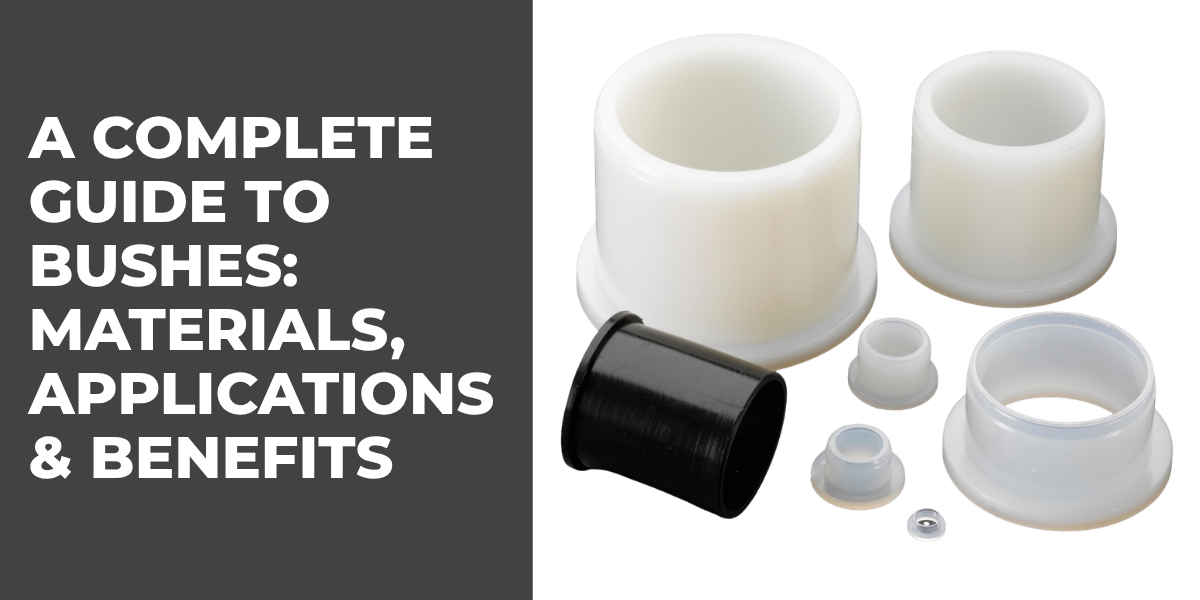
A Complete Guide to Bushes: Materials, Applications & Benefits

Bushes play an important role in mechanical assemblies, helping manufacturers manage movement, reduce friction, protect components and maintain accurate spacing....
Read More
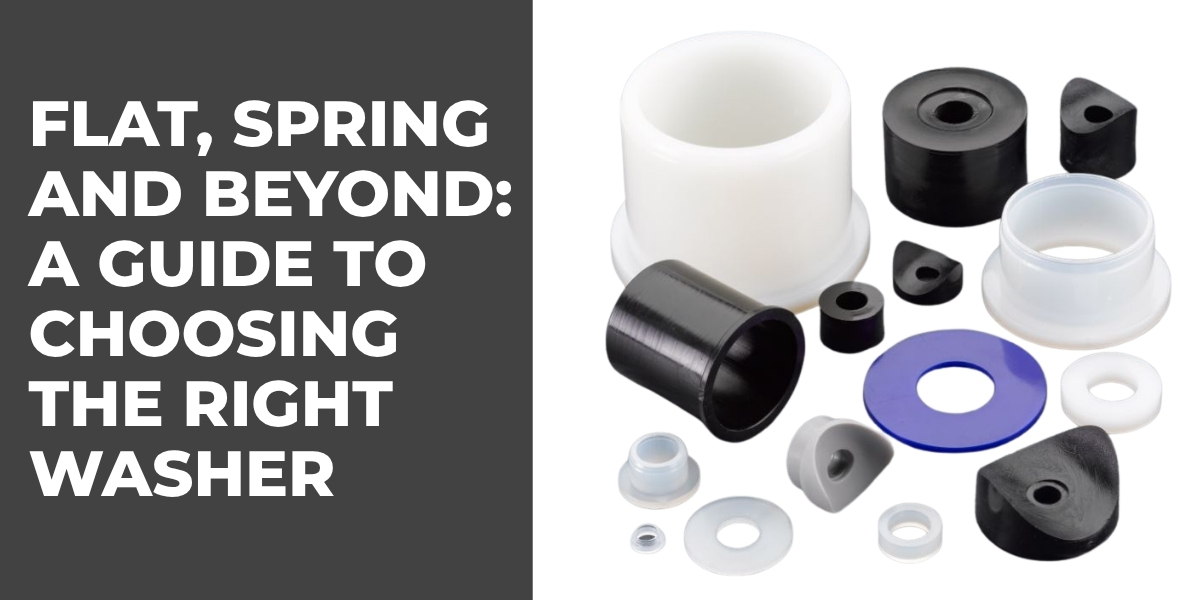
Flat, Spring and Beyond: A Guide to Choosing the Right Washer

Washers are small but essential components used in countless mechanical and industrial assemblies. While a standard flat washer may look...
Read More

The Importance of Accessibility-Compliant Cubicle Hardware

Choosing Toilet Cubicle Fittings for Accessible Commercial Washrooms Accessibility is an increasingly important consideration when designing commercial washrooms. For architects,...
Read More
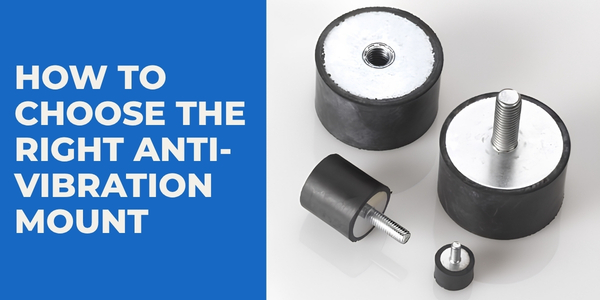
How to Choose the Right Anti-Vibration Mount

Choosing the right anti-vibration mount isn't simply a case of finding a mount that fits. The correct solution needs to...
Read More
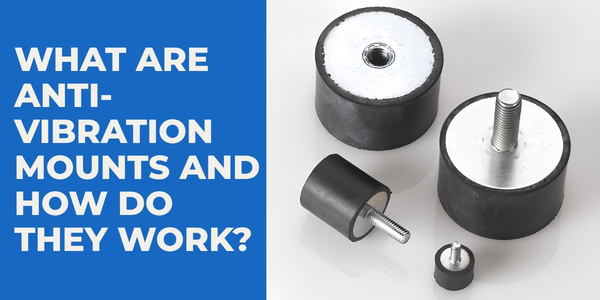
What Are Anti-Vibration Mounts and How Do They Work?

Vibration is an unavoidable part of many mechanical and industrial applications. Motors, pumps, compressors, generators and other machinery naturally move...
Read More
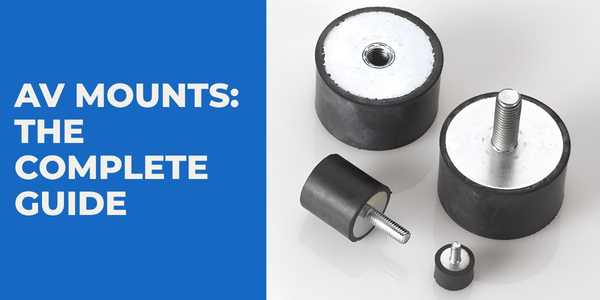
AV Mounts: The Complete Guide

Vibration can be an unavoidable part of operating machinery, equipment and mechanical systems. While some movement is perfectly normal, excessive...
Read More
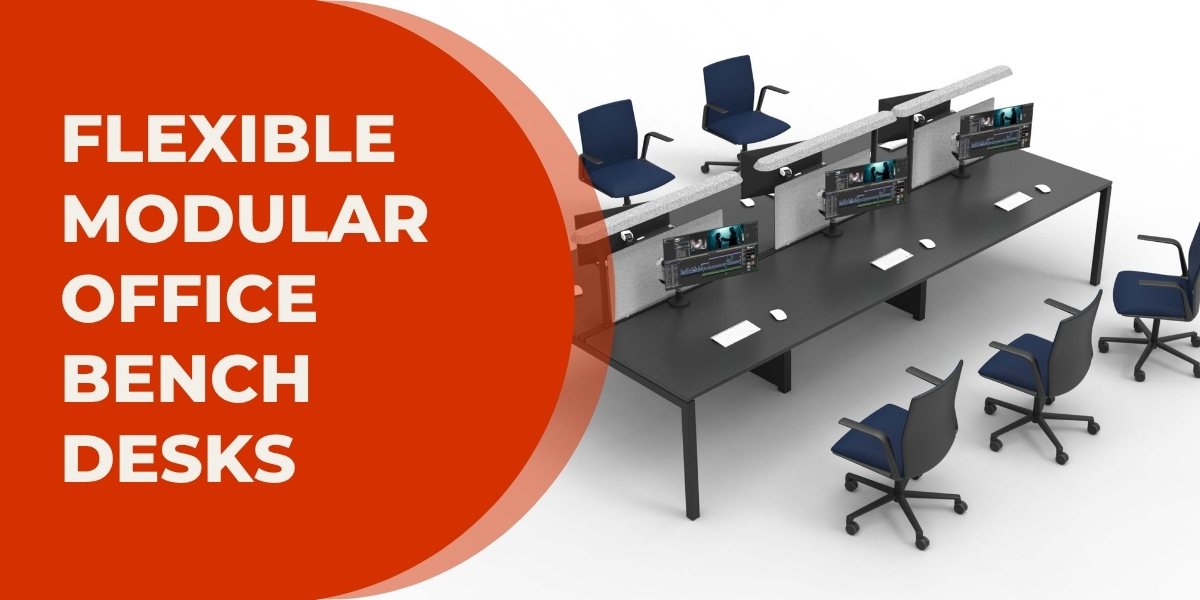
X3 Bench Desk: Flexible Modular Office Desks for Every Workspace

A bench desk is one of the most efficient ways to maximise office space while creating a collaborative working environment....
Read More

Your guide to plastics for custom injection moulding – Part 1

When choosing to use injection moulding to create components, you could find yourself with a difficult decision. Different plastic resins each possess different qualities, so you when choosing a plastic for custom moulding, you’ll need to think carefully about the role of the parts you are looking to mould and what qualities you need for them to be successful.

If you’re new to custom injection moulding, you can read more about what custom moulding is and when to use it in last month’s blog ‘What is custom moulding’. However, if you already know what you’re looking for and are trying to work out what plastic resin is best to use, then read on. Here, we’ll look at the main types of plastic resins available for injection moulding, their uses and even their key qualities.

Top custom moulding plastic resins

Acrylic (PMMA)

Acrylic is transparent and, as such, is often used as an alternative to glass. Its exceptional optical clarity enables light to pass through relatively unimpeded. Weatherproof and resistant to the effects of UV, Acrylic is a more common term used for Polymethyl methacrylate.

Key properties of PMMA:

  • Thermoplastic
  • Lightweight
  • Shatter-resistant

Uses OF PMMA:

There are three grades of acrylic commonly in use:

  • General purpose acrylic – used in commodity products
  • Sign-grade acrylic – stronger and with good light transmission, it’s perfect for external signage.
  • Marine grade acrylic – resists constant exposure to water so is used in windshields and windows in boats.

Acrylonitrile butadiene styrene (ABS)

Acrylonitrile butadiene styrene is an easy-to-mould plastic thanks to its low melting point. Its opacity means it works well with a variety of different colours, textures and surface finishes and the butadiene content within Acrylonitrile butadiene styrene makes it exceptionally tough.

Key properties of ABS:

  • Strong
  • Impact resistant
  • Resistant to UV, weather and water
  • Smokes burned
  • Poor resistance to friction.

Uses of ABS:

  • Keyboard keys
  • Plug socket surrounds
  • Sports equipment and
  • Protective headgear

Nylon (Polyamide, PA)

Nylon lends itself to a multitude of uses as it’s both tough and heat resistant with fatigue resistance and even noise-damping properties. Flame-retardant versions are available too. Nylon can degrade in sunlight, but even this can be lessened with the use of a UV stabilizer, making it suitable for outdoor use too. It can also be strengthened with glass fibres.

Nylon comes in 4 grades:

Nylon 11 – this has a greater resistance to dimensional changes and is often used for outdoor applications

Nylon 12 – this has the lowest melting point of all nylon grades and resists water absorption

Nylon 46 – has the highest operating temperature

Nylon 66 – has a high melting point and resists acids used in chemical processing.

Key properties of PA:

  • Tough
  • Heat resistant
  • Prone to shrinkage (which can lead to inadequate mould filling)
  • Degrades in sunlight

Uses of PA:

  • Casings and snap-fit closures
  • Threaded inserts
  • Kinetic parts

Polycarbonate (PC)

Polycarbonate is a strong, lightweight and transparent injection moulding material with good light transmission. Polycarbonate maintains its colour and strength when pigmented. It’s stronger than glass but can be prone to scratching.

Properties of PC:

  • Maintains physical properties over a wider temperature range
  • Requires high processing temperatures which makes it costly to mould
  • Allows precise dimensional control for tighter tolerances.

Uses of PC:

  • Machine guards
  • Windows
  • Diffusers and light pipes for LEDs.

Polyoxymethylene (POM)

Also known as Acetal, Polyoxymethylene (POM) is known for its rigidity, low friction and dimensional stability which make it perfect for precision parts.

Properties of POM:

  • High rate of thermal expansion
  • Re-enforceable with fibreglass or minerals for improved strength
  • Low UV tolerance limiting opportunity for outdoor applications.

Uses of POM:

  • Bearings
  • Gears
  • Conveyer belts
  • Knives and firearms components
  • Glasses frames and lock systems

As you’ve already seen, there are a wide number of resins we can use for custom moulding, so our team here at BPF Online can help you find the right plastics for your project.

In our next blog, we will look at the other 5 resins most regularly used in injection moulding but, In the meantime, if you have any questions about our injection moulding services, you can contact us through the chat on our website.