BPF Online Blog

FREE UK carriage on orders over £250 nett      No minimum order value      Trade discounts       Order FREE samples online       Last cut off for overnight: 3pm

A Complete Guide to Workplace Hygiene Screens

Workplace hygiene screens provide a practical way to create physical separation between people in offices, reception areas, retail environments, service...
Read More

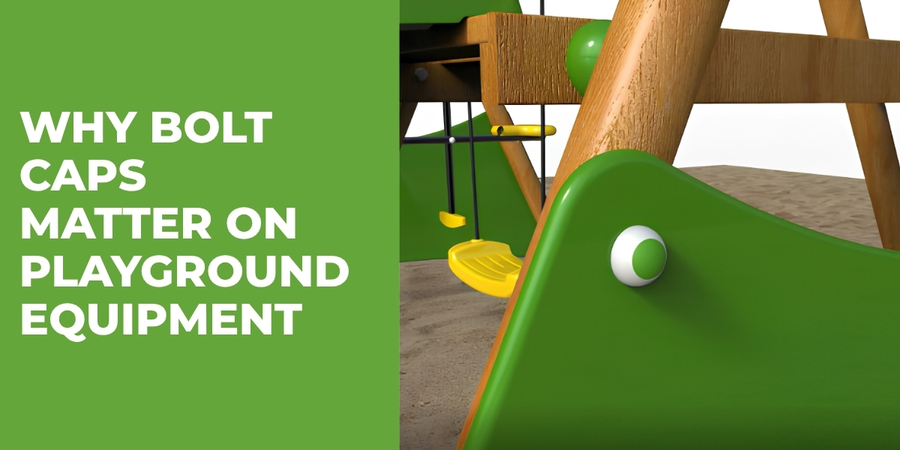
Why Bolt Caps Matter on Playground Equipment

When manufacturers and installers build playground equipment, they need to consider every component, right down to the smallest fixing. Bolts,...
Read More
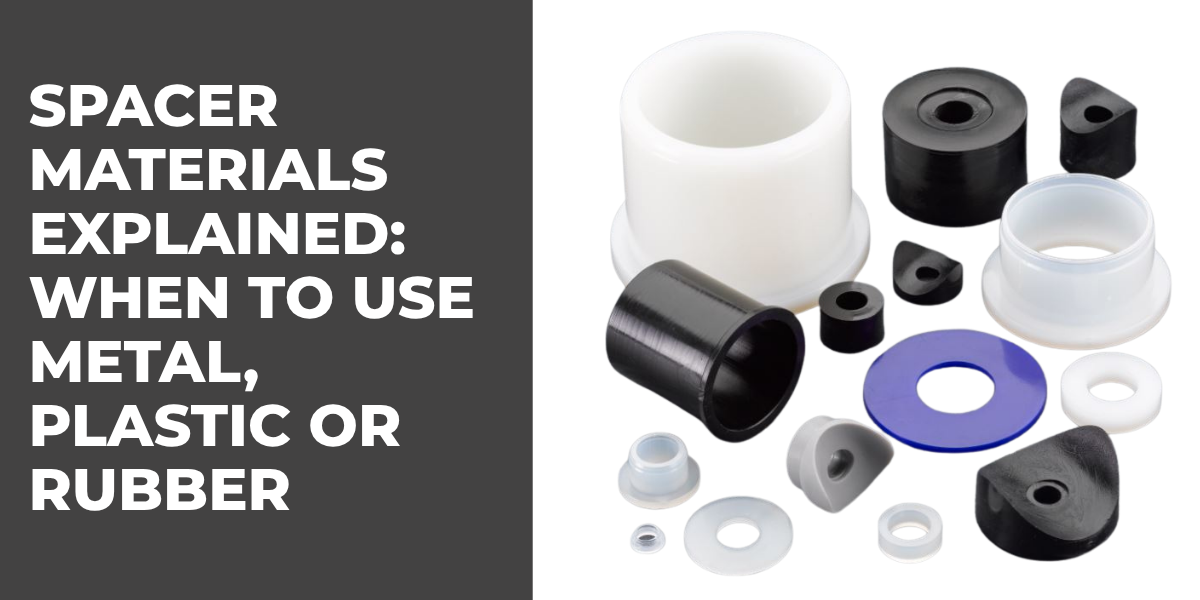
Spacer Materials Explained: When to Use Metal, Plastic or Rubber Spacers

Spacers may look like simple components, but the material you choose can greatly affect how an assembly performs. A spacer...
Read More
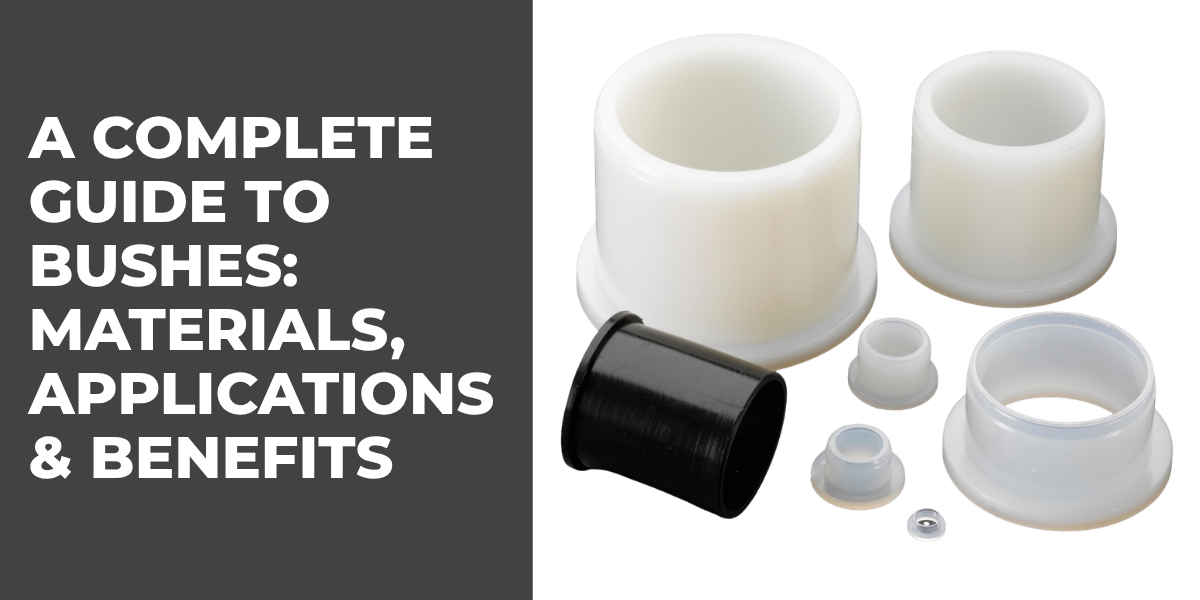
A Complete Guide to Bushes: Materials, Applications & Benefits

Bushes play an important role in mechanical assemblies, helping manufacturers manage movement, reduce friction, protect components and maintain accurate spacing....
Read More
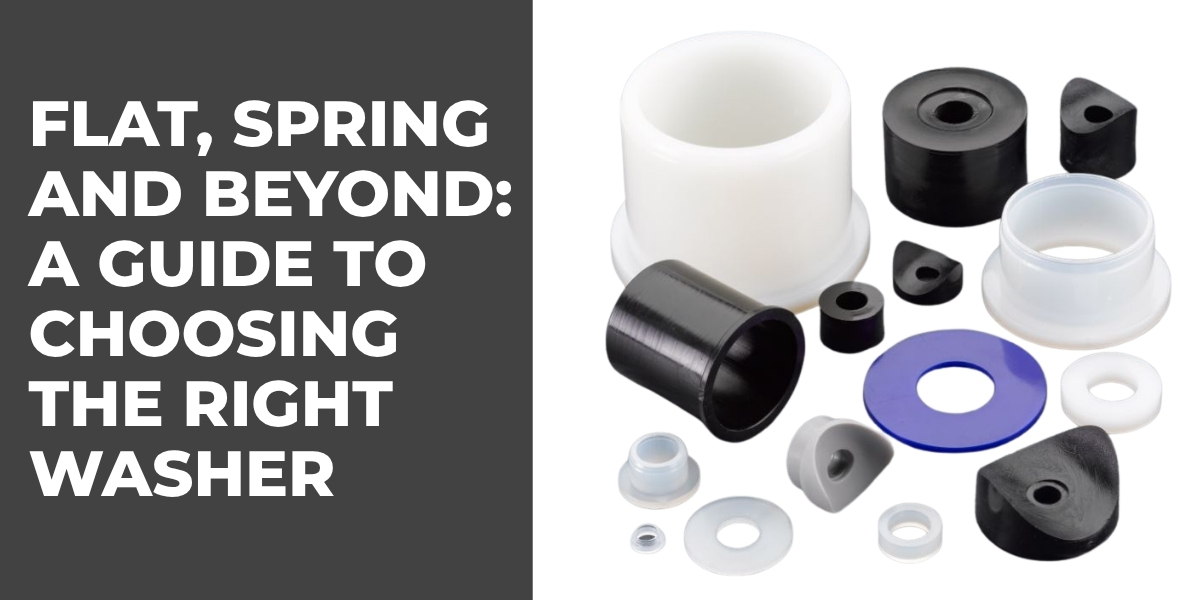
Flat, Spring and Beyond: A Guide to Choosing the Right Washer

Washers are small but essential components used in countless mechanical and industrial assemblies. While a standard flat washer may look...
Read More
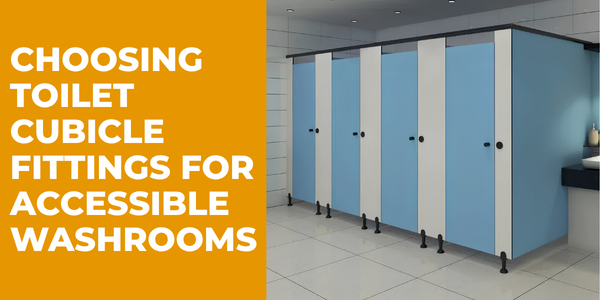
The Importance of Accessibility-Compliant Cubicle Hardware

Choosing Toilet Cubicle Fittings for Accessible Commercial Washrooms Accessibility is an increasingly important consideration when designing commercial washrooms. For architects,...
Read More
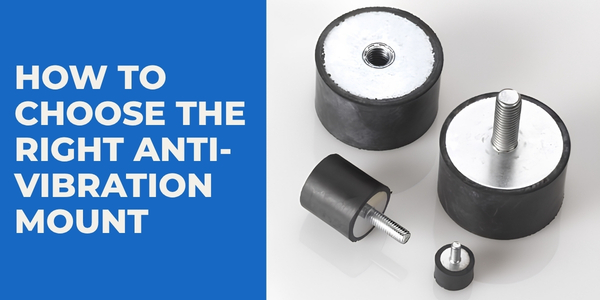
How to Choose the Right Anti-Vibration Mount

Choosing the right anti-vibration mount isn't simply a case of finding a mount that fits. The correct solution needs to...
Read More
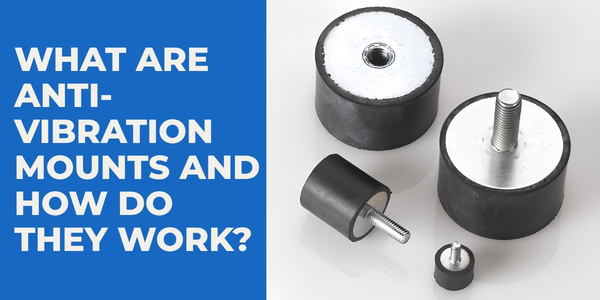
What Are Anti-Vibration Mounts and How Do They Work?

Vibration is an unavoidable part of many mechanical and industrial applications. Motors, pumps, compressors, generators and other machinery naturally move...
Read More
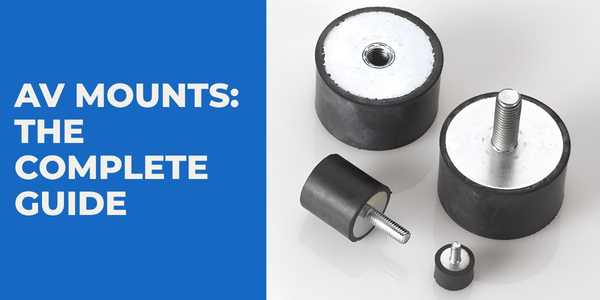
AV Mounts: The Complete Guide

Vibration can be an unavoidable part of operating machinery, equipment and mechanical systems. While some movement is perfectly normal, excessive...
Read More
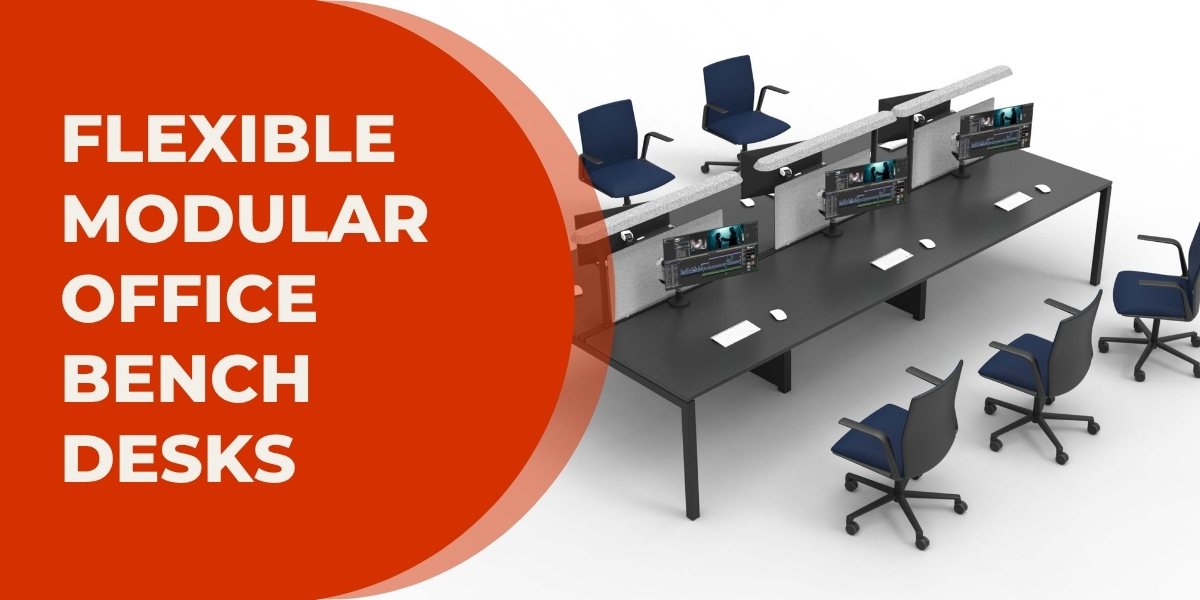
X3 Bench Desk: Flexible Modular Office Desks for Every Workspace

A bench desk is one of the most efficient ways to maximise office space while creating a collaborative working environment....
Read More
Types of Material Handling Components and Systems Explained

Types of Material Handling Components and Systems Explained

Types of Material Handling Components and Systems Explained

Material handling components play a vital role in modern warehousing, manufacturing, and logistics operations. From basic manual tools to advanced automated systems, the right material handling equipment helps businesses move, store, and control materials efficiently and safely. For a beginner’s guide to material handling, you can click here.

In this guide, we’ll explain the main types of equipment and systems, how they work, and how to choose the best solution for your operation.

What Is Material Handling Equipment?

Material handling equipment refers to the machines, tools, and systems used to transport, store, protect, and control materials throughout a facility.

This includes:

  • Warehouse handling equipment
  • Industrial material handling machinery
  • Automated handling systems
  • Supporting material handling components

Together, these elements form integrated material handling systems that improve productivity and reduce operational costs.

Understanding Material Handling Systems

A material handling system is a coordinated combination of equipment, components, and processes designed to manage material flow.

Well-designed material handling systems:

  • Reduce unnecessary movement
  • Improve handling speed
  • Minimise errors
  • Enhance workplace safety
  • Support scalable growth

Rather than relying on individual machines, successful facilities focus on building complete material handling solutions.

The Four Main Types of Material Handling Equipment

Material handling equipment is commonly divided into four main categories. Understanding these helps businesses select the right handling machinery for their needs.

1. Storage and Handling Equipment

Storage and handling equipment is used to hold materials securely when they are not in transit. This type of material handling equipment helps maximise space and maintain organised inventory.

Common Examples

  • Pallet racking systems
  • Industrial shelving
  • Mezzanine floors
  • Storage containers and bins
  • Stackable pallets

Typical Applications

  • Warehouses
  • Distribution centres
  • Manufacturing facilities
  • Retail stockrooms

Proper storage equipment forms the foundation of efficient material handling operations.

2. Industrial Trucks and Mobile Equipment

Industrial trucks are among the most widely used types of material handling equipment. They are designed to transport loads over short and medium distances.

Common Examples

  • Forklift trucks
  • Manual and powered pallet trucks
  • Reach trucks
  • Order pickers
  • Tow tractors

Typical Applications

  • Loading and unloading deliveries
  • Pallet transport
  • High-level racking access
  • Order fulfilment

Mobile material handling equipment reduces manual lifting and improves workplace ergonomics.

3. Bulk Material Handling Equipment

Bulk material handling equipment is used to transport loose materials in large quantities. This type of industrial material handling equipment is designed for continuous operation.

Common Examples

  • Belt conveyors
  • Screw conveyors
  • Bucket elevators
  • Feeders and hoppers
  • Vibrating conveyors

Typical Applications

  • Food processing plants
  • Mining operations
  • Chemical facilities
  • Recycling centres
  • Construction material handling

These systems are essential for high-volume material movement.

4. Engineered and Automated Material Handling Systems

Engineered systems combine multiple forms of material handling equipment into fully integrated solutions. These are often custom-designed to suit specific workflows.

Common Examples

  • Automated conveyor systems
  • Automated Storage and Retrieval Systems (AS/RS)
  • Automated Guided Vehicles (AGVs)
  • Autonomous Mobile Robots (AMRs)
  • Robotic palletisers

Typical Applications

  • E-commerce fulfilment centres
  • Large distribution hubs
  • High-speed manufacturing plants
  • Cold storage warehouses

Automated material handling equipment improves speed, accuracy, and operational consistency.

The Role of Material Handling Components

While large machines are highly visible, material handling components are essential for reliable performance.

Key components include:

  • Conveyor rollers and belts
  • Bearings and guides
  • Wheels and castors
  • Drive systems
  • Structural frames

High-quality components help material handling equipment operate smoothly and reduce downtime.

How to Choose the Right Material Handling Components

Selecting the correct material handling equipment depends on your operational requirements.

Key factors include:

  • Load type and weight
  • Available floor space
  • Workflow layout
  • Throughput targets
  • Maintenance capability
  • Health and safety compliance

A structured assessment ensures your material handling system delivers long-term value.

Improving Workflow with the Right Handling Equipment

  • Effective material handling equipment should support overall workflow efficiency. When systems are properly integrated:
  • Material moves smoothly between processes
  • Bottlenecks are eliminated
  • Handling time is reduced
  • Productivity increases

This systems-based approach is essential for competitive operations.

Final Thoughts

Understanding the different types of material handling equipment is key to building efficient and reliable industrial operations. From storage systems and forklifts to conveyors and automation, each category plays a crucial role in material flow.

By combining high-quality material handling equipment with reliable components, businesses can achieve long-term operational success.

Explore our range of material handling equipment and components to support your warehouse and production systems. Our conveyor belt and production components range offers dependable, high-quality parts designed to support efficient material flow and reliable production line performance. From conveyor belt accessories to structural and support components, these products are built for durability, precision fit, and seamless integration in industrial and manufacturing environments.

Learn more about Material Handling: