BPF Online Blog

FREE UK carriage on orders over £250 nett      No minimum order value      Trade discounts       Order FREE samples online       Last cut off for overnight: 3pm

A Complete Guide to Workplace Hygiene Screens

Workplace hygiene screens provide a practical way to create physical separation between people in offices, reception areas, retail environments, service...
Read More

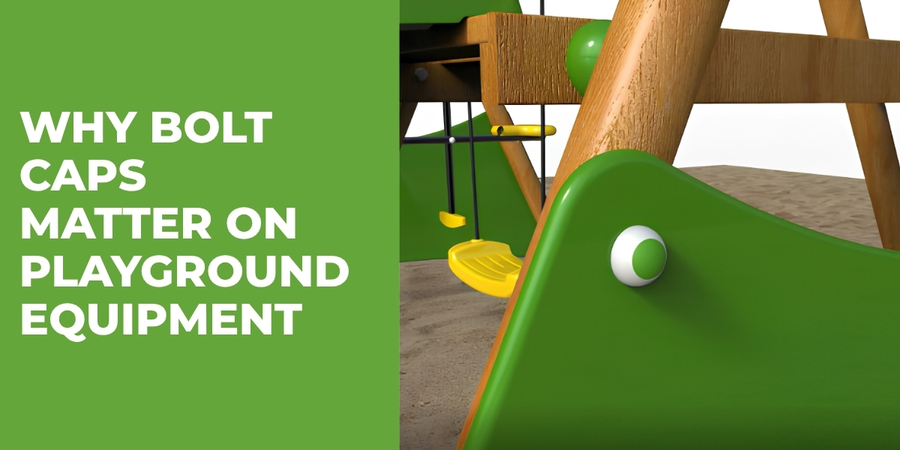
Why Bolt Caps Matter on Playground Equipment

When manufacturers and installers build playground equipment, they need to consider every component, right down to the smallest fixing. Bolts,...
Read More
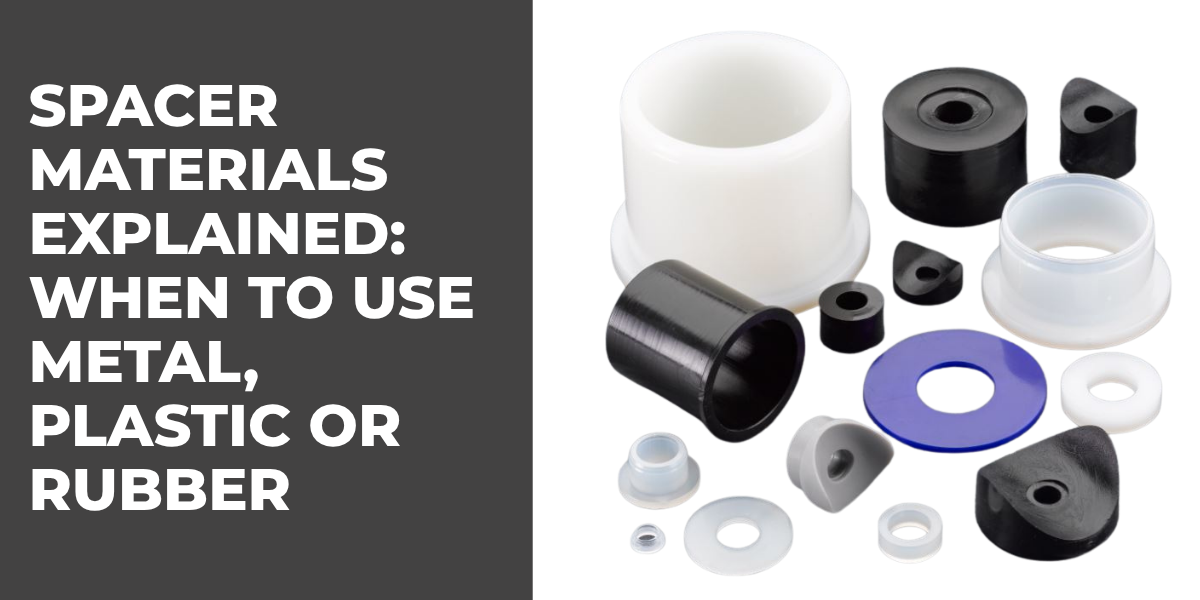
Spacer Materials Explained: When to Use Metal, Plastic or Rubber Spacers

Spacers may look like simple components, but the material you choose can greatly affect how an assembly performs. A spacer...
Read More
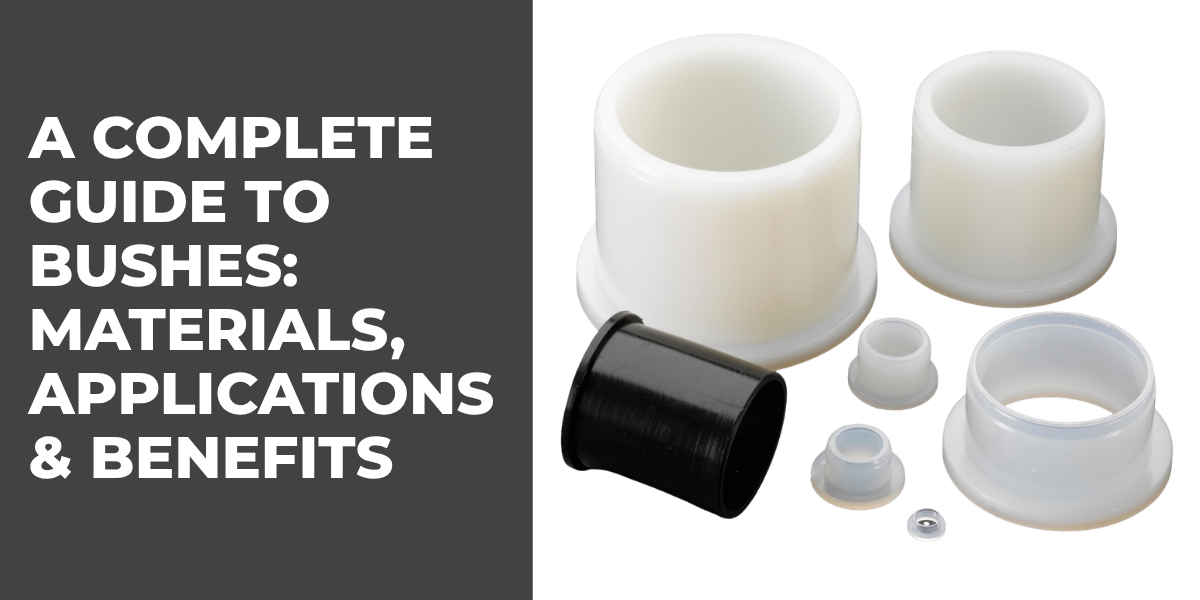
A Complete Guide to Bushes: Materials, Applications & Benefits

Bushes play an important role in mechanical assemblies, helping manufacturers manage movement, reduce friction, protect components and maintain accurate spacing....
Read More
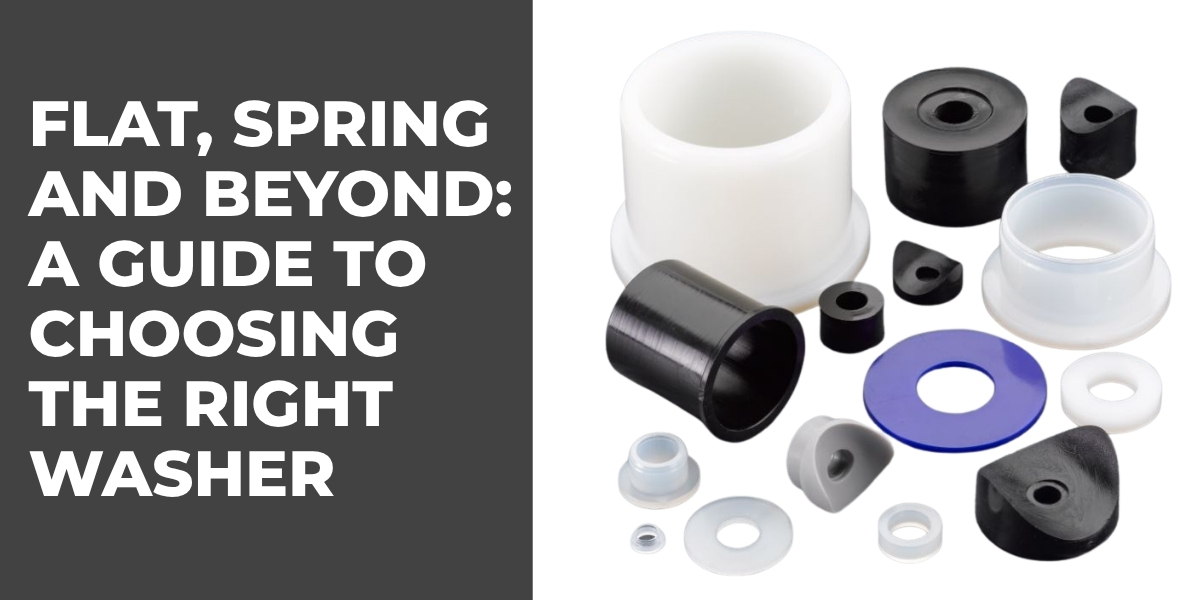
Flat, Spring and Beyond: A Guide to Choosing the Right Washer

Washers are small but essential components used in countless mechanical and industrial assemblies. While a standard flat washer may look...
Read More
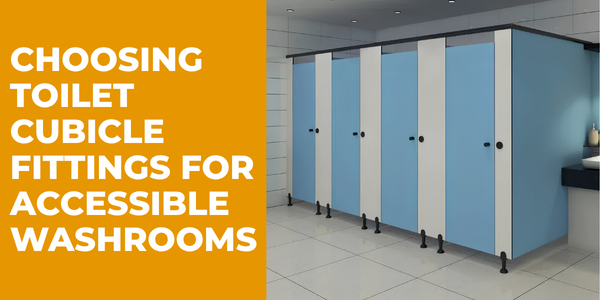
The Importance of Accessibility-Compliant Cubicle Hardware

Choosing Toilet Cubicle Fittings for Accessible Commercial Washrooms Accessibility is an increasingly important consideration when designing commercial washrooms. For architects,...
Read More
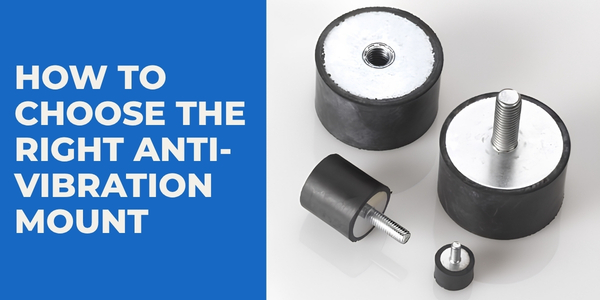
How to Choose the Right Anti-Vibration Mount

Choosing the right anti-vibration mount isn't simply a case of finding a mount that fits. The correct solution needs to...
Read More
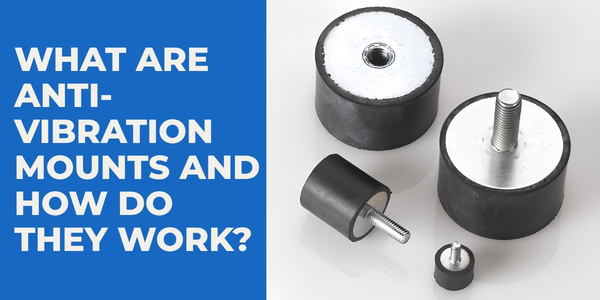
What Are Anti-Vibration Mounts and How Do They Work?

Vibration is an unavoidable part of many mechanical and industrial applications. Motors, pumps, compressors, generators and other machinery naturally move...
Read More
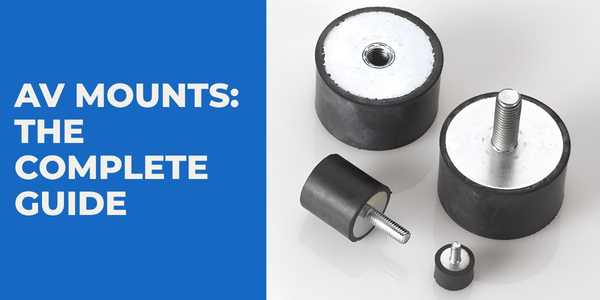
AV Mounts: The Complete Guide

Vibration can be an unavoidable part of operating machinery, equipment and mechanical systems. While some movement is perfectly normal, excessive...
Read More
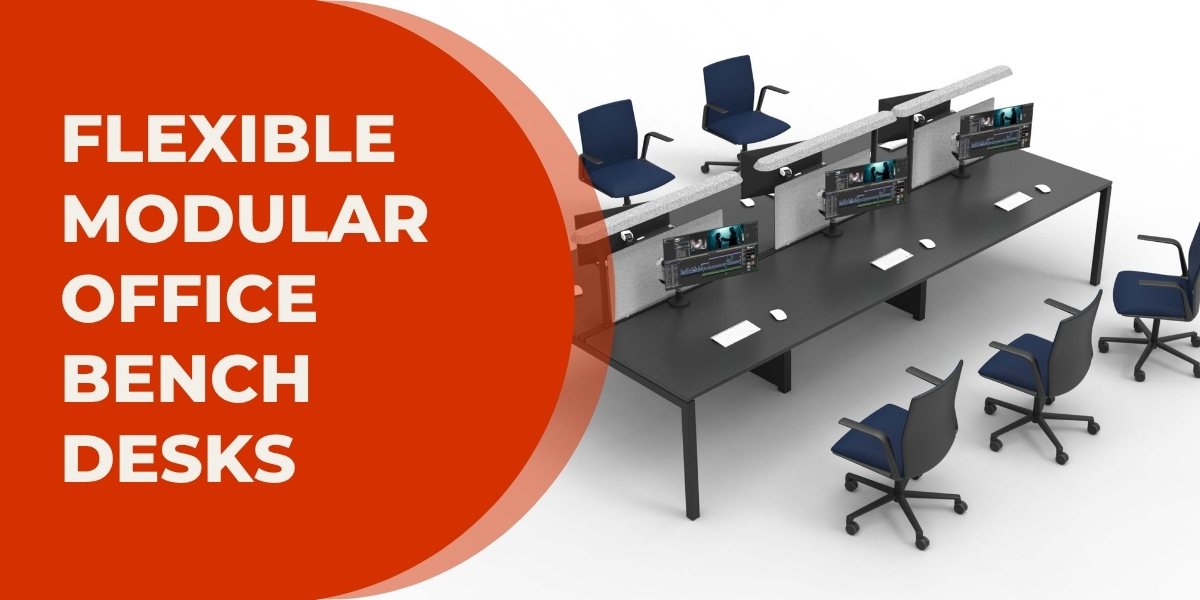
X3 Bench Desk: Flexible Modular Office Desks for Every Workspace

A bench desk is one of the most efficient ways to maximise office space while creating a collaborative working environment....
Read More
BLOG THUMBNAIL What Is Material Handling A Beginner’s Guide

What Is Material Handling? A Beginner’s Guide

What Is Material Handling? A Complete Beginner’s Guide

Material handling plays a critical role in manufacturing, warehousing, logistics, and distribution. Whether you’re moving raw materials, finished goods, or components between processes, having the right goods handling systems in place can dramatically improve efficiency, safety, and productivity.

In this guide, we’ll explain what material handling is, why it matters, and how components support modern industrial operations.

What Is Material Handling?

Material handling refers to the movement, storage, protection, and control of materials throughout manufacturing, warehousing, distribution, consumption, and disposal. This includes everything from manually lifting items to fully automated conveyor and storage systems. The goal of goods handling is to ensure materials flow through a facility efficiently, safely, and cost-effectively. Materials handling is not limited to heavy machinery — it also includes components, accessories, and supporting equipment that make goods movement possible.

Why Is Material Handling Important?

Effective handling directly impacts operational performance. Poor handling systems can cause delays, product damage, injuries, and unnecessary labour costs.

Well-designed material handling systems help to:

  • Improve workflow efficiency
  • Reduce manual handling and operator fatigue
  • Increase workplace safety
  • Minimise product damage
  • Optimise storage space
  • Lower overall operating costs

For many businesses, upgrading individual components can deliver significant improvements without needing a full system overhaul.

Where Is Material Handling Used?

Material handling systems are used across a wide range of industries, including:

  • Warehousing and distribution centres
  • Manufacturing and assembly lines
  • Logistics and transport hubs
  • Packaging and fulfilment operations
  • Retail stockrooms
  • Engineering and fabrication workshops

Any environment that involves moving, lifting, storing, or positioning materials relies on effective material handling.

What Are Material Handling Components?

Material handling components are the individual parts and accessories that make up a handling system. These components are often modular, allowing businesses to build, adapt, or upgrade systems as operational needs change.

Common examples include:

  • Conveyor components (rollers, belts, guides, frames)
  • Pallets and load carriers
  • Wheels, castors, and rollers
  • Handling accessories and attachments
  • Storage and positioning components

These components are essential for ensuring smooth material flow and system reliability.

Material Handling vs Material Handling Equipment

While the terms are often used interchangeably, there is a subtle difference:

  • Material handling equipment usually refers to larger machinery such as forklifts, conveyors, pallet trucks, and automated systems.
  • Material handling components are the supporting parts that allow this equipment to function effectively or integrate into a wider workflow.

Focusing on high-quality components can significantly extend the life and performance of larger equipment.

Benefits of Choosing the Right Handling Components

Selecting the correct components for your application can make a major difference. Benefits include:

  • Improved system efficiency and throughput
  • Reduced downtime and maintenance issues
  • Greater flexibility for future expansion
  • Enhanced operator safety and ergonomics
  • Better load control and stability

Choosing components designed for your load type, environment, and usage frequency is key to long-term performance.

How Material Handling Supports Lean Operations

In lean manufacturing and warehousing environments, material handling plays a vital role in eliminating waste. Efficient handling reduces:

  • Unnecessary movement
  • Excess inventory
  • Waiting times between processes
  • Over-handling of materials
  • Well-planned handling components help create smooth, predictable workflows that support continuous improvement.

Finding the Right Components

Every operation is different, which is why it’s important to choose components that match your specific requirements. Factors to consider include:

  • Load size and weight
  • Frequency of movement
  • Available space
  • Environmental conditions
  • Safety and compliance requirements

A modular approach allows systems to be adapted as needs evolve.

Explore our full range of material handling components to find solutions that support efficient, safe, and reliable material flow.

Final Thoughts

Material handling is a foundational part of industrial operations, and the right components can make a measurable difference in efficiency, safety, and productivity. Whether you’re upgrading an existing system or designing a new workflow, understanding the basics of material handling is the first step toward smarter decisions.

Learn more about Material Handling: