BPF Online Blog

FREE UK carriage on orders over £250 nett      No minimum order value      Trade discounts       Order FREE samples online       Last cut off for overnight: 3pm

A Complete Guide to Workplace Hygiene Screens

Workplace hygiene screens provide a practical way to create physical separation between people in offices, reception areas, retail environments, service...
Read More

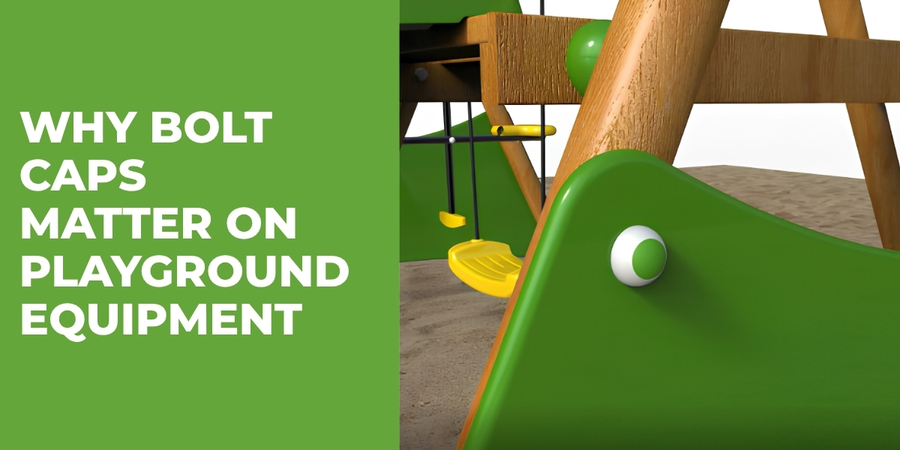
Why Bolt Caps Matter on Playground Equipment

When manufacturers and installers build playground equipment, they need to consider every component, right down to the smallest fixing. Bolts,...
Read More
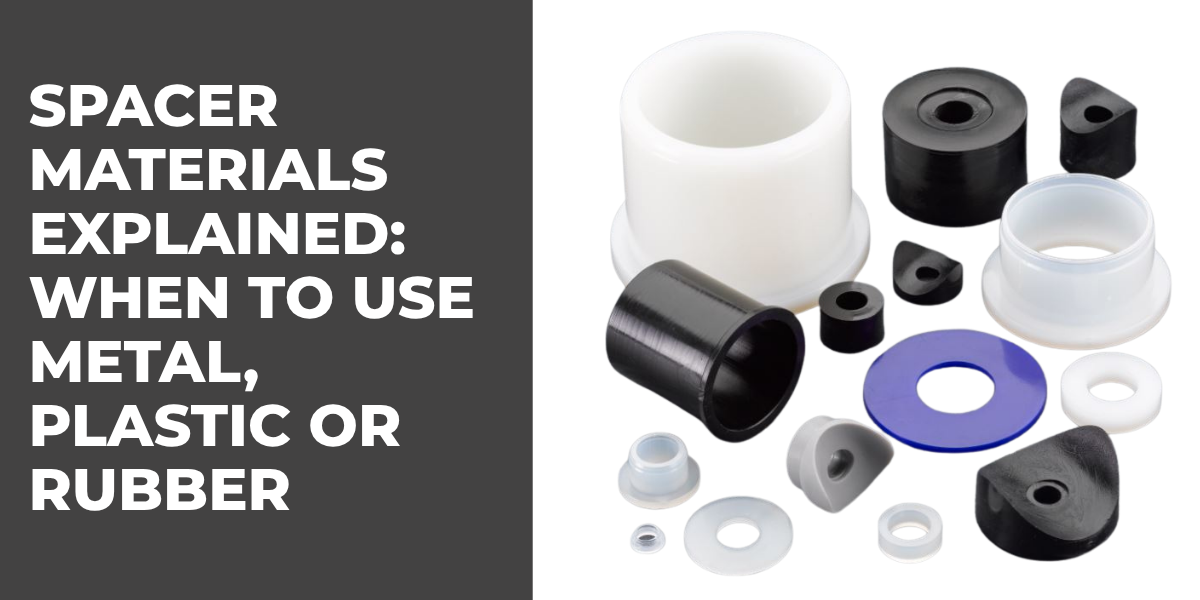
Spacer Materials Explained: When to Use Metal, Plastic or Rubber Spacers

Spacers may look like simple components, but the material you choose can greatly affect how an assembly performs. A spacer...
Read More
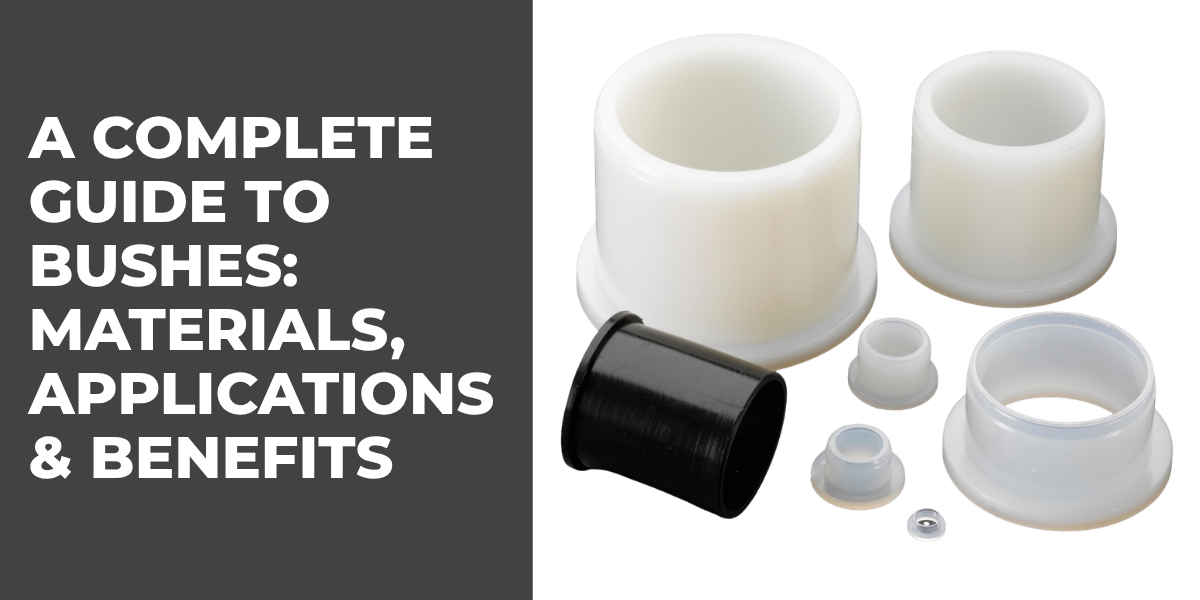
A Complete Guide to Bushes: Materials, Applications & Benefits

Bushes play an important role in mechanical assemblies, helping manufacturers manage movement, reduce friction, protect components and maintain accurate spacing....
Read More
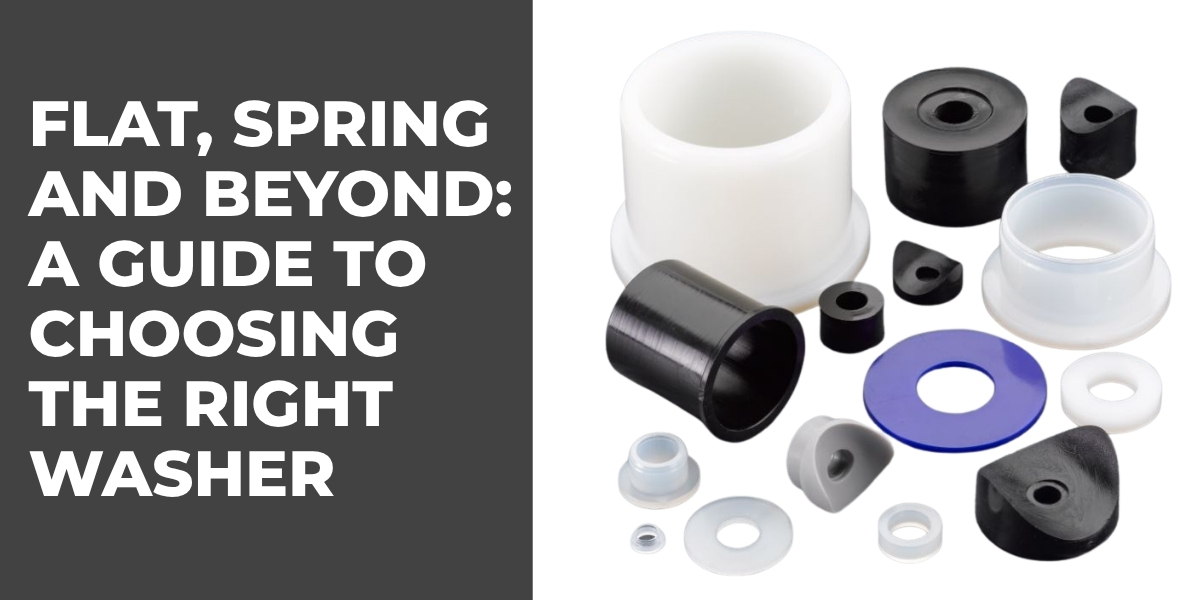
Flat, Spring and Beyond: A Guide to Choosing the Right Washer

Washers are small but essential components used in countless mechanical and industrial assemblies. While a standard flat washer may look...
Read More
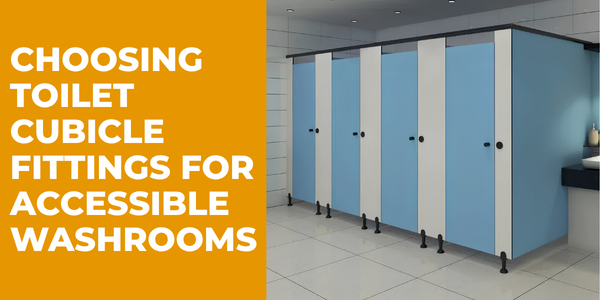
The Importance of Accessibility-Compliant Cubicle Hardware

Choosing Toilet Cubicle Fittings for Accessible Commercial Washrooms Accessibility is an increasingly important consideration when designing commercial washrooms. For architects,...
Read More
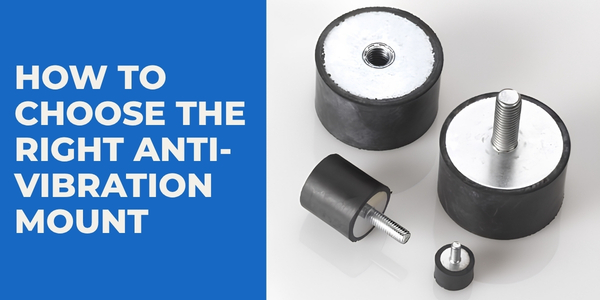
How to Choose the Right Anti-Vibration Mount

Choosing the right anti-vibration mount isn't simply a case of finding a mount that fits. The correct solution needs to...
Read More
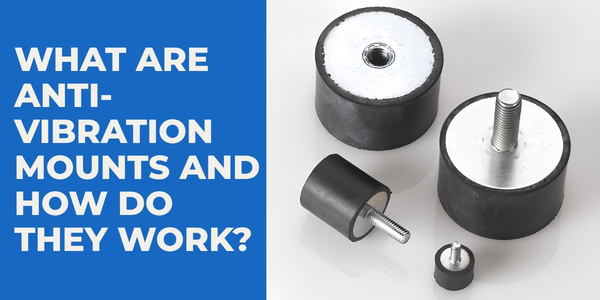
What Are Anti-Vibration Mounts and How Do They Work?

Vibration is an unavoidable part of many mechanical and industrial applications. Motors, pumps, compressors, generators and other machinery naturally move...
Read More
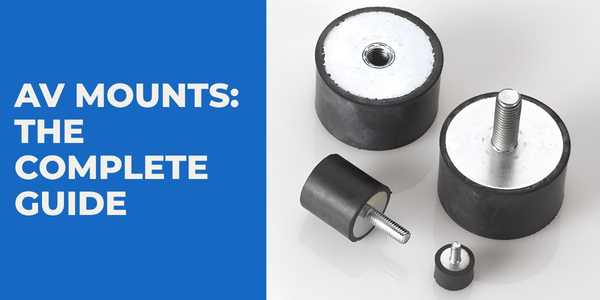
AV Mounts: The Complete Guide

Vibration can be an unavoidable part of operating machinery, equipment and mechanical systems. While some movement is perfectly normal, excessive...
Read More
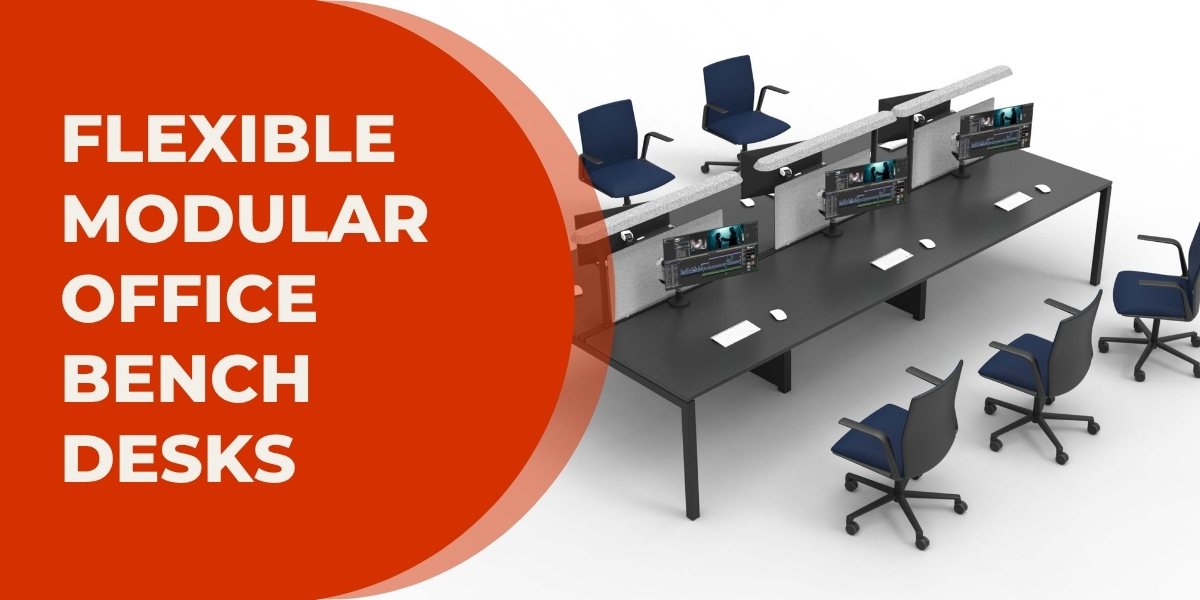
X3 Bench Desk: Flexible Modular Office Desks for Every Workspace

A bench desk is one of the most efficient ways to maximise office space while creating a collaborative working environment....
Read More
BLOG THUMBNAIL Conveyor Systems in Material Handling Equipment

Conveyor Belt Systems in Material Handling Equipment

Conveyor Systems in Material Handling Equipment: Types, Uses, and Benefits

Conveyor systems are a core part of modern material handling equipment in warehouses, factories, and distribution centres. From simple belt conveyors to advanced automated lines, industrial conveyors help businesses move products efficiently, safely, and consistently.

In this guide, we explore the main types of conveyor systems, how they work, and how the right conveyor components can improve warehouse performance.

What Are Conveyor Systems in Material Handling Equipment?

Conveyor systems are mechanical solutions designed to transport goods, materials, and components within an industrial environment.

As essential material handling equipment, conveyor systems are commonly integrated with:

  • Storage systems
  • Packaging machinery
  • Picking stations
  • Automated handling equipment

Most warehouse conveyor systems consist of:

  • Conveyor belts or rollers
  • Drive motors and gearboxes
  • Frames and supports
  • Bearings and guides
  • Control and safety systems

Together, these elements create reliable material flow.

Why Industrial Conveyors Are Essential

Industrial conveyors play a vital role in high-volume operations. They eliminate inefficient manual handling and improve overall productivity.

Key advantages include:

  • Reduced manual lifting and carrying
  • Improved operator safety
  • Increased handling speed
  • Consistent product movement
  • Lower labour costs
  • Reduced product damage

For many facilities, conveyor systems form the backbone of material handling equipment infrastructure.

Main Types of Conveyor Systems Used in Warehouses and Industry

Different applications require different industrial conveyor solutions. Below are the most common types of warehouse conveyor systems.

1. Belt Conveyor Systems

Belt conveyors use a continuous belt stretched between pulleys to move goods along a defined path.

Features

  • Smooth transport surface
  • Suitable for small, fragile, or irregular items
  • Can operate horizontally or on inclines

Common Uses

  • Order fulfilment centres
  • Packaging lines
  • Manufacturing assembly lines
  • Food and pharmaceutical production

Belt conveyors are among the most widely used industrial conveyors.

2. Roller Conveyor Systems

Roller conveyors consist of a series of rotating rollers mounted within a frame. They may be gravity-driven or powered.

Features

  • Ideal for cartons, totes, and pallets
  • Modular design
  • Low maintenance requirements

Common Uses

  • Picking and packing areas
  • Loading bays
  • Sorting stations
  • Warehouse transport routes

These conveyor systems are popular in warehouse environments.

3. Chain Conveyor Systems

Chain conveyors use one or more chains to move heavy loads along fixed tracks.

Features

  • High load capacity
  • Rugged construction
  • Long service life

Common Uses

  • Automotive manufacturing
  • Heavy engineering
  • Pallet transport
  • Industrial processing plants

Chain conveyors are designed for demanding material handling applications.

4. Screw and Auger Conveyors

Screw conveyors move bulk materials using a rotating helical blade.

Features

  • Enclosed design
  • Controlled material flow
  • Suitable for powders and granules

Common Uses

  • Agriculture
  • Chemical processing
  • Waste management
  • Food production

These systems are essential in bulk material handling equipment.

5. Modular and Flexible Conveyor Systems

Modular conveyor systems use standardised components that allow layouts to be easily changed.

Features

  • Quick installation
  • Expandable designs
  • Easy integration

Common Uses

  • Growing warehouses
  • Seasonal fulfilment operations
  • Temporary production lines

Flexible systems support evolving business needs.

Understanding Conveyor Components and Their Role

High-performing conveyor systems rely on durable and well-designed conveyor components.

Important conveyor components include:

  • Conveyor rollers and bearings
  • Drive motors and gearboxes
  • Belts and chains
  • Frames and supports
  • Sensors and safety devices

Using high-quality conveyor components reduces downtime and improves system reliability.

Key Conveyor Belt Components Explained

Conveyor belt components are critical for smooth belt operation and long service life.

Common conveyor belt components include:

  • Conveyor belts (PVC, rubber, modular plastic)
  • Drive pulleys
  • Tail pulleys
  • Idler rollers
  • Belt tracking systems
  • Tensioners

Maintaining these conveyor belt components helps prevent slippage, misalignment, and premature wear.

How to Choose the Right Conveyor System for Your Warehouse

Selecting the right conveyor as part of your material handling equipment requires careful evaluation.

Key factors include:

  • Product size and weight
  • Throughput targets
  • Layout constraints
  • Environmental conditions
  • Integration requirements
  • Maintenance capability

Professional system design ensures long-term operational efficiency.

Installation and Maintenance of Warehouse Conveyor Systems

Proper installation and regular maintenance are essential for reliable operation.

Installation Best Practices

  • Ensure precise alignment
  • Provide stable structural support
  • Allow maintenance access
  • Follow manufacturer instructions

Maintenance Best Practices

  • Inspect rollers and bearings regularly
  • Clean belts and frames
  • Check belt tension and tracking
  • Monitor motor performance

Preventive maintenance protects conveyor components and reduces unexpected downtime.

How Conveyor Systems Improve Overall Workflow

When integrated effectively, conveyor systems optimise material flow throughout a facility.

They help to:

  • Reduce transport bottlenecks
  • Improve picking accuracy
  • Increase throughput
  • Support automation projects
  • Enhance order fulfilment

Efficient warehouse conveyor systems are essential for competitive operations.

Final Thoughts

Conveyor systems are a fundamental part of modern material handling equipment. From belt and roller systems to heavy-duty industrial conveyors, the right solution can transform operational performance.

By investing in reliable conveyor components and maintaining key conveyor belt components, businesses can achieve safer, faster, and more efficient material handling.

Explore our range of conveyor components and material handling equipment to optimise your handling systems.

Learn more about Material Handling: