BPF Online Blog

FREE UK carriage on orders over £250 nett      No minimum order value      Trade discounts       Order FREE samples online       Last cut off for overnight: 3pm

A Complete Guide to Workplace Hygiene Screens

Workplace hygiene screens provide a practical way to create physical separation between people in offices, reception areas, retail environments, service...
Read More

Why Bolt Caps Matter on Playground Equipment

When manufacturers and installers build playground equipment, they need to consider every component, right down to the smallest fixing. Bolts,...
Read More
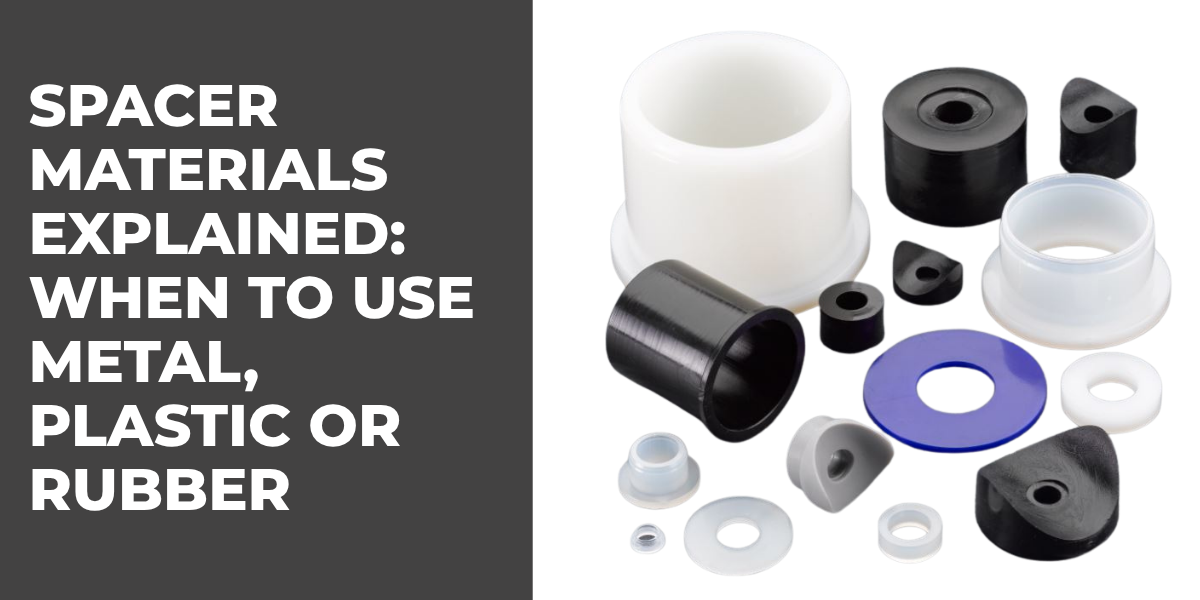
Spacer Materials Explained: When to Use Metal, Plastic or Rubber Spacers

Spacers may look like simple components, but the material you choose can greatly affect how an assembly performs. A spacer...
Read More
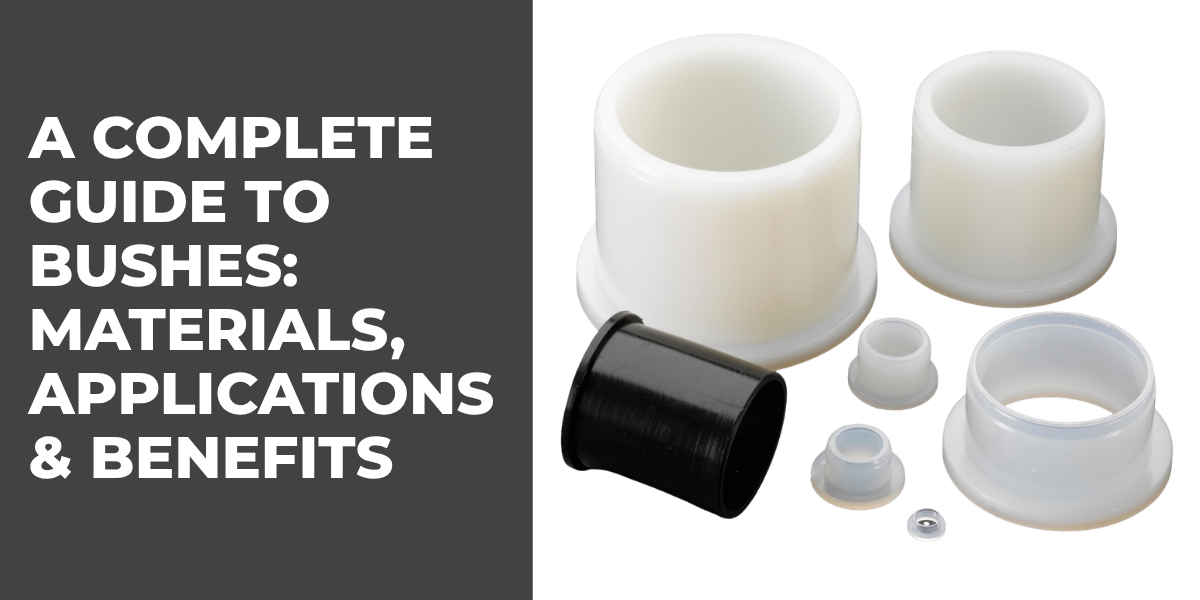
A Complete Guide to Bushes: Materials, Applications & Benefits

Bushes play an important role in mechanical assemblies, helping manufacturers manage movement, reduce friction, protect components and maintain accurate spacing....
Read More

Flat, Spring and Beyond: A Guide to Choosing the Right Washer

Washers are small but essential components used in countless mechanical and industrial assemblies. While a standard flat washer may look...
Read More
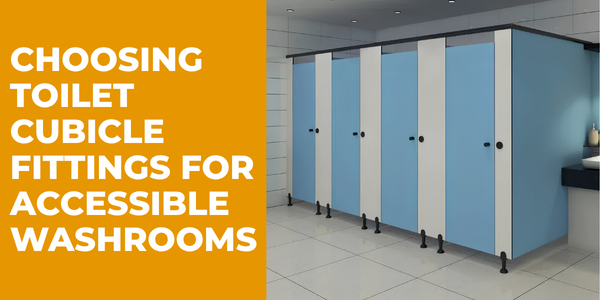
The Importance of Accessibility-Compliant Cubicle Hardware

Choosing Toilet Cubicle Fittings for Accessible Commercial Washrooms Accessibility is an increasingly important consideration when designing commercial washrooms. For architects,...
Read More
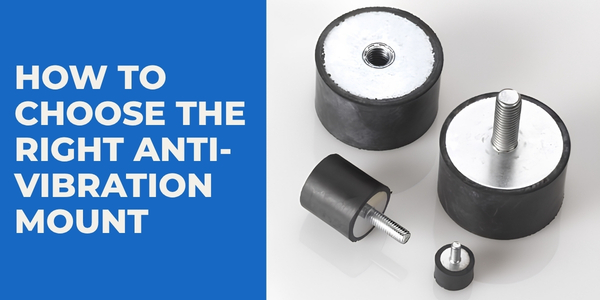
How to Choose the Right Anti-Vibration Mount

Choosing the right anti-vibration mount isn't simply a case of finding a mount that fits. The correct solution needs to...
Read More
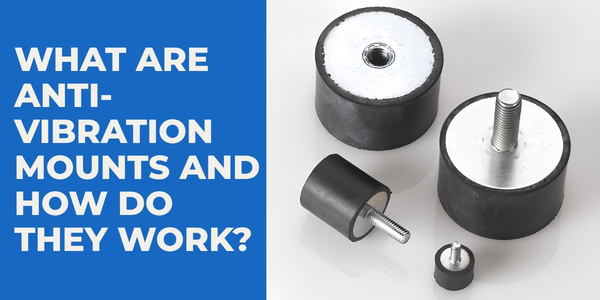
What Are Anti-Vibration Mounts and How Do They Work?

Vibration is an unavoidable part of many mechanical and industrial applications. Motors, pumps, compressors, generators and other machinery naturally move...
Read More
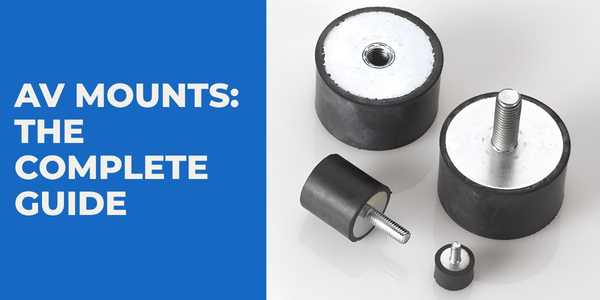
AV Mounts: The Complete Guide

Vibration can be an unavoidable part of operating machinery, equipment and mechanical systems. While some movement is perfectly normal, excessive...
Read More

X3 Bench Desk: Flexible Modular Office Desks for Every Workspace

A bench desk is one of the most efficient ways to maximise office space while creating a collaborative working environment....
Read More
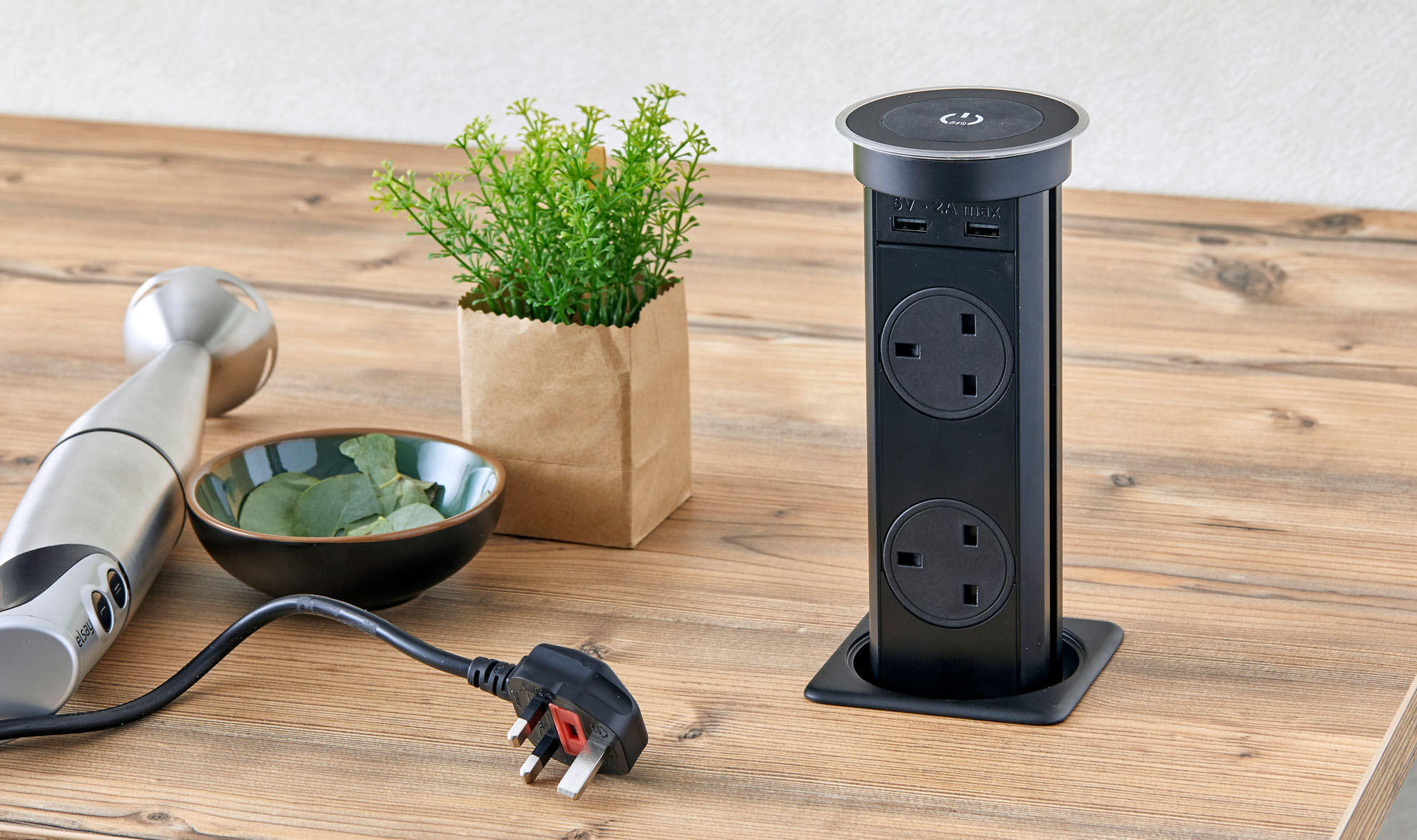
Worktop Power Safety for Motorised Kitchen Pop Up Sockets

Worktop Power Safety: What You Need to Know

The Ultimate Guide to Worktop Power Safety

Modern kitchens rely on convenient access to power, from small appliances and charging devices to food prep equipment and smart technology. With the growing popularity of worktop power sockets and pop-up outlets, it’s more important than ever to understand how to use and install them safely.

In this guide, we explain the key safety considerations to help you choose the right solution and keep your kitchen both functional and secure.

Why Worktop Power Safety Matters

Kitchens combine electricity, water, heat, and constant activity, which means poor-quality or incorrectly installed power outlets can create real risks.

Common issues include:

  • Water splashes near electrical components
  • Overloaded sockets
  • Trailing cables
  • Incorrect installation
  • Low-quality or uncertified products

Choosing the right worktop power solution and using it correctly helps minimise these risks and protects both people and property.

Choose Products Designed for Kitchen Environments

Not all power sockets are suitable for use in kitchens. When selecting worktop sockets or pop-up power units, always look for products designed specifically for this environment.

Key features to consider include:

  • Splash Resistance (IP Rating): Many quality pop-up sockets are IP-rated to offer protection against moisture. For kitchen use, an IP rating such as IP54 helps protect internal components from splashes and steam.
  • Built-In Drainage Channels: Some pop-up sockets feature internal channels that direct water away from electrical parts — an important extra layer of protection in busy kitchens.
  • Protective Covers and Closures: Retractable designs and closers help shield sockets when not in use, reducing exposure to spills and dust.

Correct Placement Is Essential for Worktop Power Safety

Where your power socket is installed can have a major impact on safety.

Avoid placing worktop sockets:

  • Directly beside sinks
  • Near hobs or cookers
  • Under areas where liquids are frequently used

Instead, position them:

  • Along kitchen islands
  • On dry preparation areas
  • Away from main water sources
  • Where cables won’t trail across walkways

Careful planning at the design stage helps prevent future hazards.

Professional Installation Makes a Difference

Even the best product won’t perform safely if it’s installed incorrectly.

We strongly recommend that worktop power sockets are fitted by a qualified electrician or professional installer, who will ensure:

  • Correct wiring
  • Compliance with UK electrical regulations
  • Proper earthing
  • Secure mounting
  • Safe integration with existing circuits

This not only improves safety but also protects your warranty and insurance cover.

Look for Safety and Compliance Certification

Always choose sockets from reputable suppliers that meet recognised safety standards.

Quality worktop power units should comply with:

  • UK and EU electrical regulations
  • CE or UKCA marking
  • Relevant BS standards

These certifications confirm that the product has been tested for electrical safety and durability.

Avoid Overloading Your Worktop Sockets

Modern kitchens often run multiple appliances at once including, kettles, coffee machines, air fryers, blenders, and more.

To stay safe:

  • Avoid plugging in too many high-power devices at once
  • Check the maximum load rating of your socket
  • Use appliances according to manufacturer guidelines
  • Never run extension leads from pop-up units

Overloading can lead to overheating and potential fire risk.

Keep Cables and Leads Under Control

Trailing cables are not only untidy, they can be dangerous.

Poor cable management can lead to:

  • Tripping hazards
  • Pulled sockets
  • Damaged wiring
  • Appliance falls

Pop-up sockets help reduce cable clutter by positioning power exactly where it’s needed. Always retract units when not in use to keep surfaces clear.

Regular Checks and Maintenance

Like any kitchen component, worktop power sockets benefit from occasional checks.

We recommend:

  • Wiping units with a dry cloth
  • Keeping mechanisms free from crumbs and debris
  • Checking for loose fittings
  • Reporting damaged units immediately

If a socket shows signs of overheating, sparking, or malfunction, stop using it and seek professional advice.

Safety Benefits of Pop-Up Worktop Sockets

When correctly selected and installed, pop-up sockets can actually improve kitchen safety by:

  • Reducing trailing leads
  • Keeping sockets hidden when not in use
  • Minimising wall clutter
  • Improving cable organisation
  • Supporting better space planning

This makes them a popular choice for modern homes and renovation projects.

Choosing Safe Worktop Power Solutions

At BPF Ltd, we supply a wide range of worktop and pop-up power sockets designed for kitchen use, with a focus on quality, reliability, and compliance.

Our products are selected to meet the needs of:

  • Homeowners
  • Kitchen designers
  • Fitters and installers
  • Property developers

You can explore our full range of kitchen power solutions to find a model that matches your layout, usage, and safety requirements.

Browse our pop-up socket range

Make Safety Part of Your Kitchen Design

Worktop power sockets add convenience and style to modern kitchens — but safety should always come first.

By choosing certified products, planning installation carefully, and following good usage practices, you can enjoy flexible power access with confidence.

Learn more about Power Safety & BPF Power Solutions: