BPF Online Blog

FREE UK carriage on orders over £250 nett      No minimum order value      Trade discounts       Order FREE samples online       Last cut off for overnight: 3pm

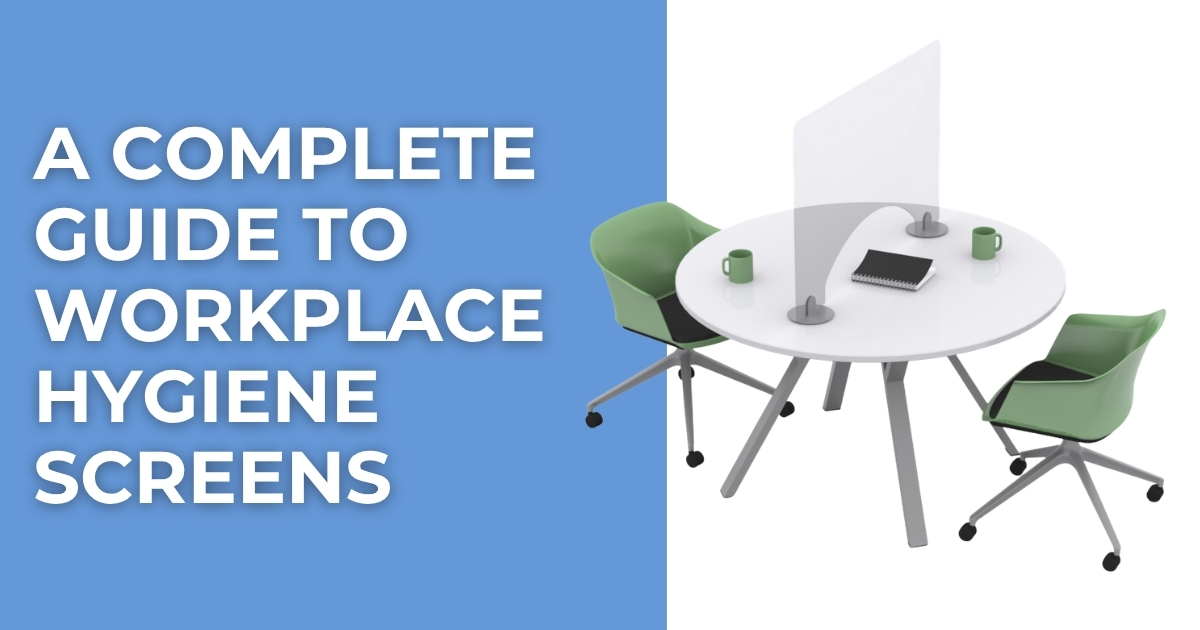
A Complete Guide to Workplace Hygiene Screens

Workplace hygiene screens provide a practical way to create physical separation between people in offices, reception areas, retail environments, service...
Read More

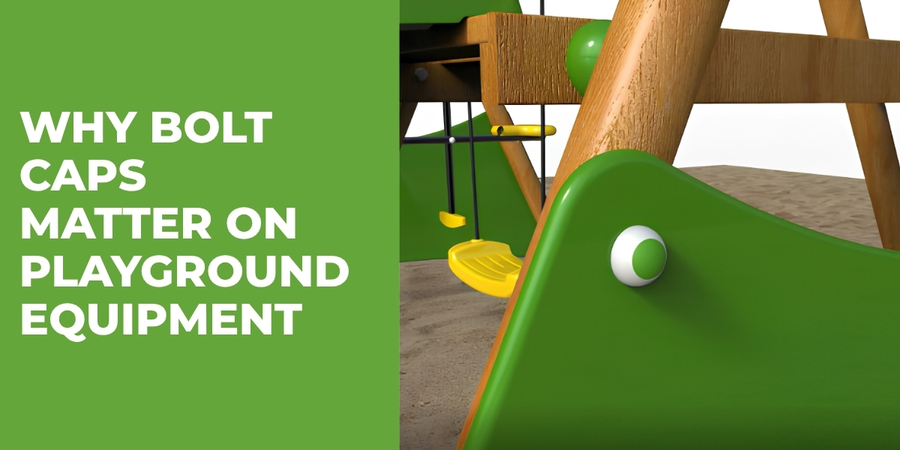
Why Bolt Caps Matter on Playground Equipment

When manufacturers and installers build playground equipment, they need to consider every component, right down to the smallest fixing. Bolts,...
Read More
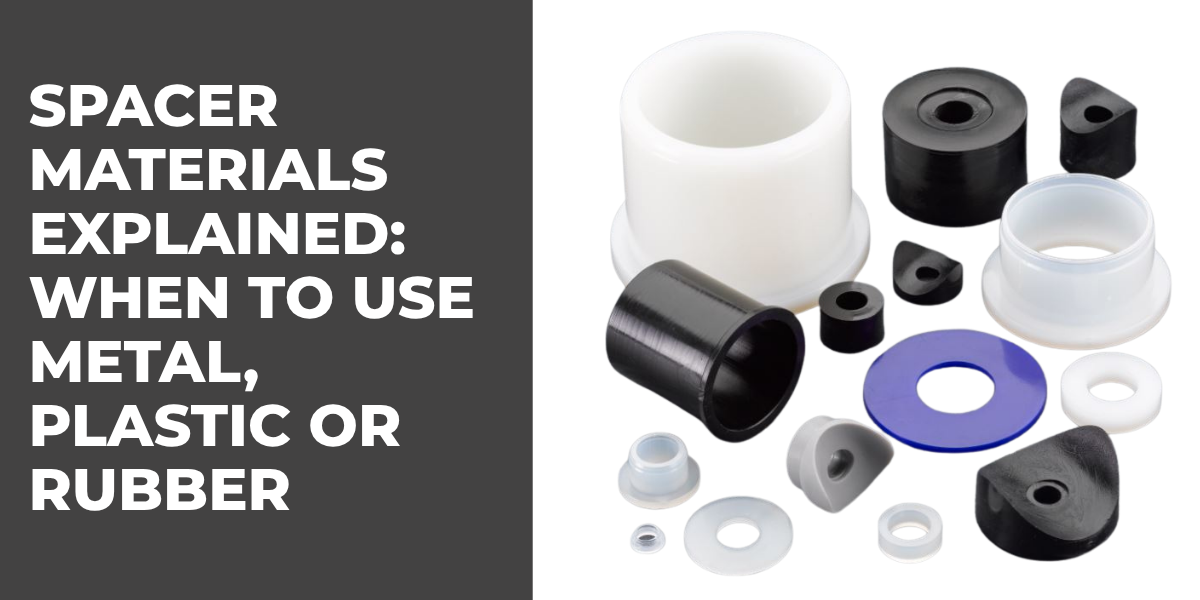
Spacer Materials Explained: When to Use Metal, Plastic or Rubber Spacers

Spacers may look like simple components, but the material you choose can greatly affect how an assembly performs. A spacer...
Read More
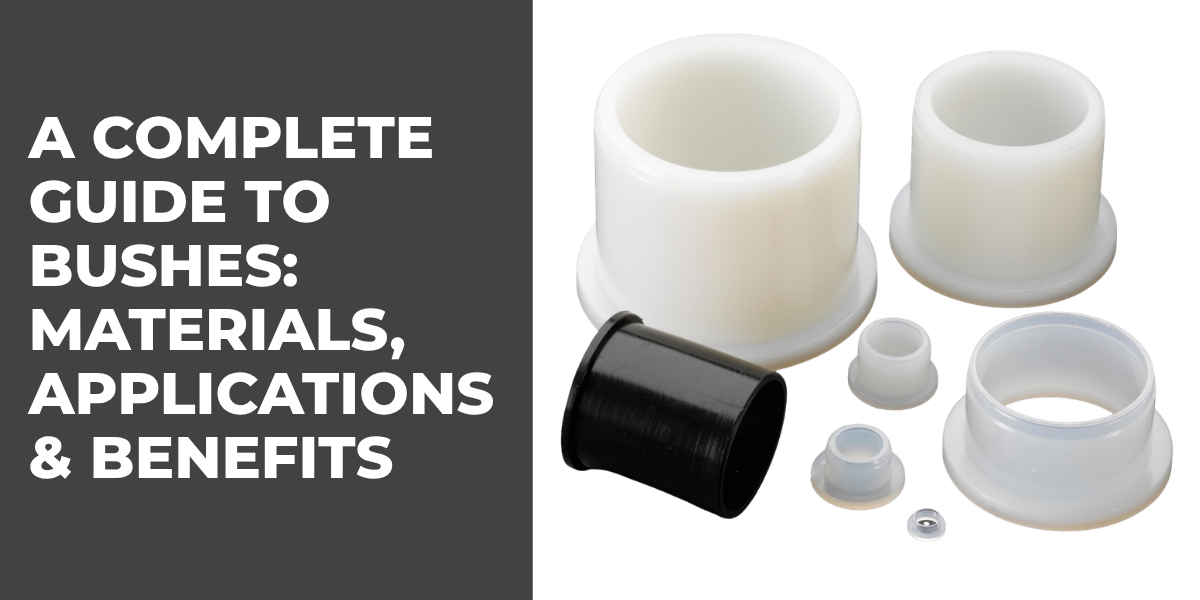
A Complete Guide to Bushes: Materials, Applications & Benefits

Bushes play an important role in mechanical assemblies, helping manufacturers manage movement, reduce friction, protect components and maintain accurate spacing....
Read More
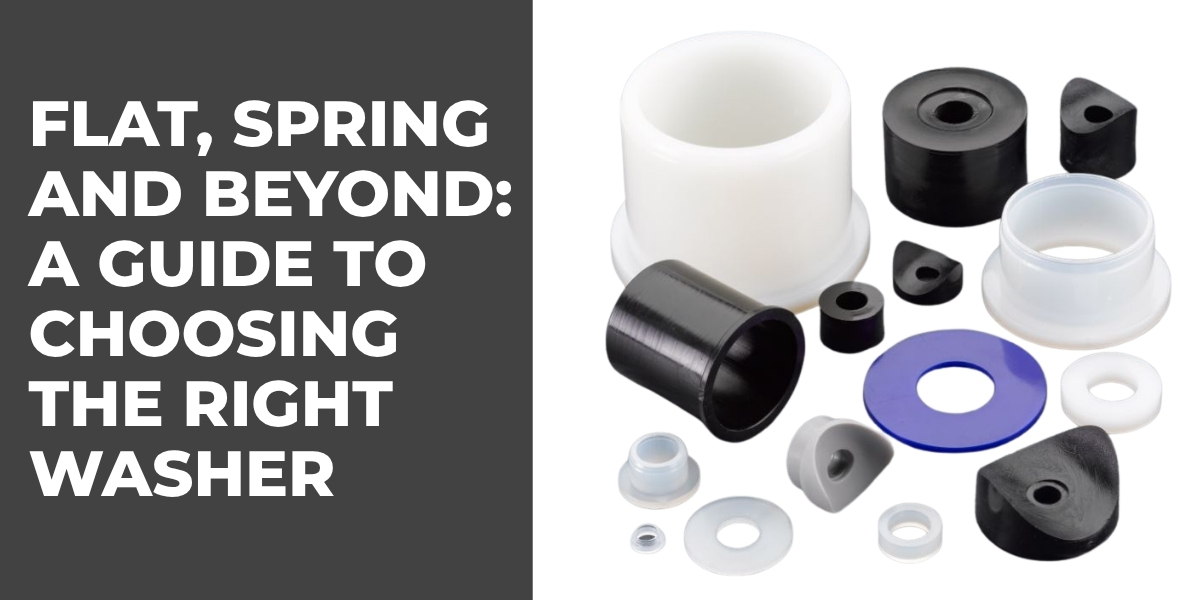
Flat, Spring and Beyond: A Guide to Choosing the Right Washer

Washers are small but essential components used in countless mechanical and industrial assemblies. While a standard flat washer may look...
Read More
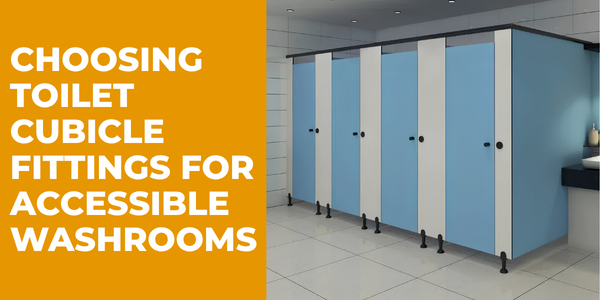
The Importance of Accessibility-Compliant Cubicle Hardware

Choosing Toilet Cubicle Fittings for Accessible Commercial Washrooms Accessibility is an increasingly important consideration when designing commercial washrooms. For architects,...
Read More
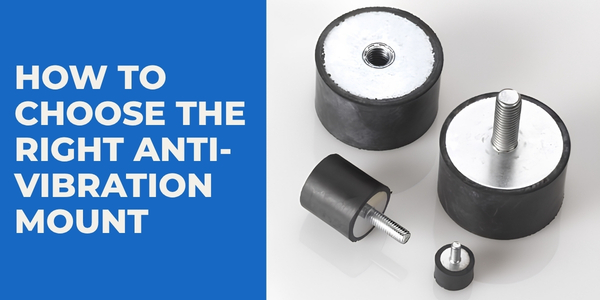
How to Choose the Right Anti-Vibration Mount

Choosing the right anti-vibration mount isn't simply a case of finding a mount that fits. The correct solution needs to...
Read More
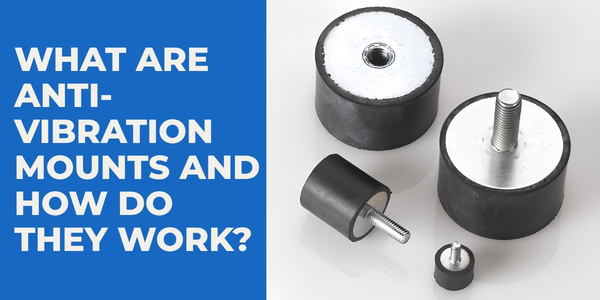
What Are Anti-Vibration Mounts and How Do They Work?

Vibration is an unavoidable part of many mechanical and industrial applications. Motors, pumps, compressors, generators and other machinery naturally move...
Read More
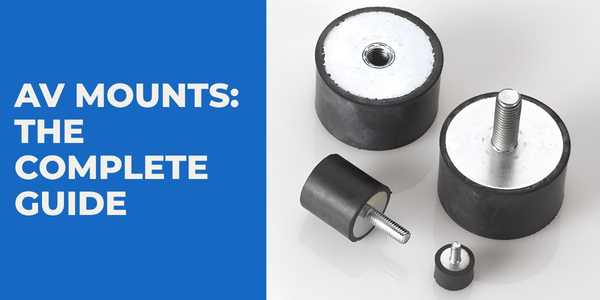
AV Mounts: The Complete Guide

Vibration can be an unavoidable part of operating machinery, equipment and mechanical systems. While some movement is perfectly normal, excessive...
Read More
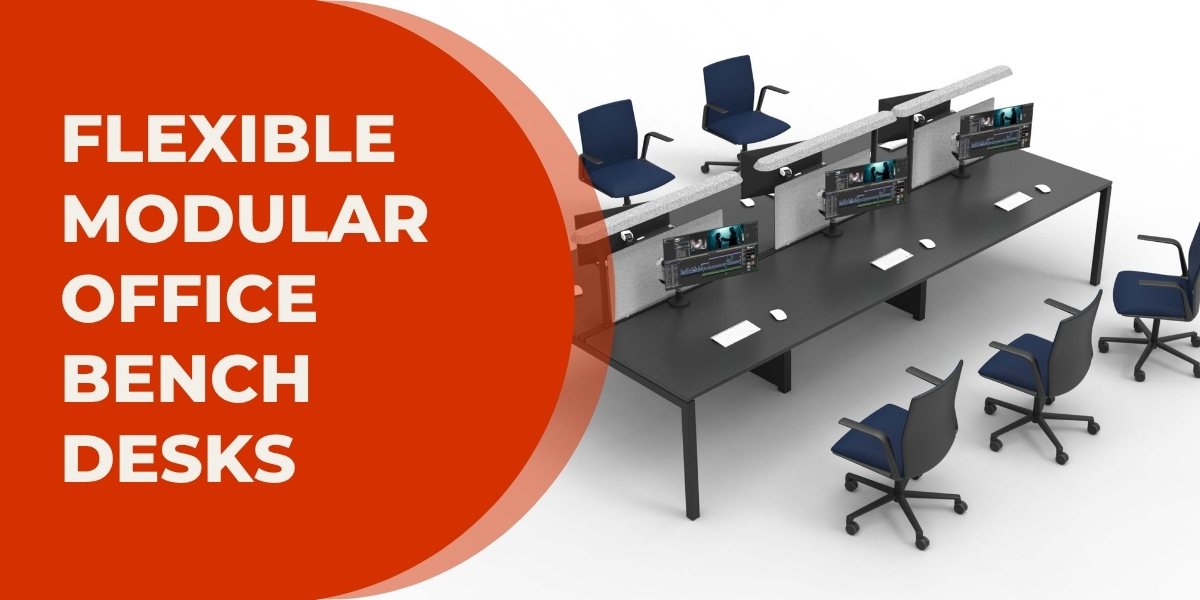
X3 Bench Desk: Flexible Modular Office Desks for Every Workspace

A bench desk is one of the most efficient ways to maximise office space while creating a collaborative working environment....
Read More
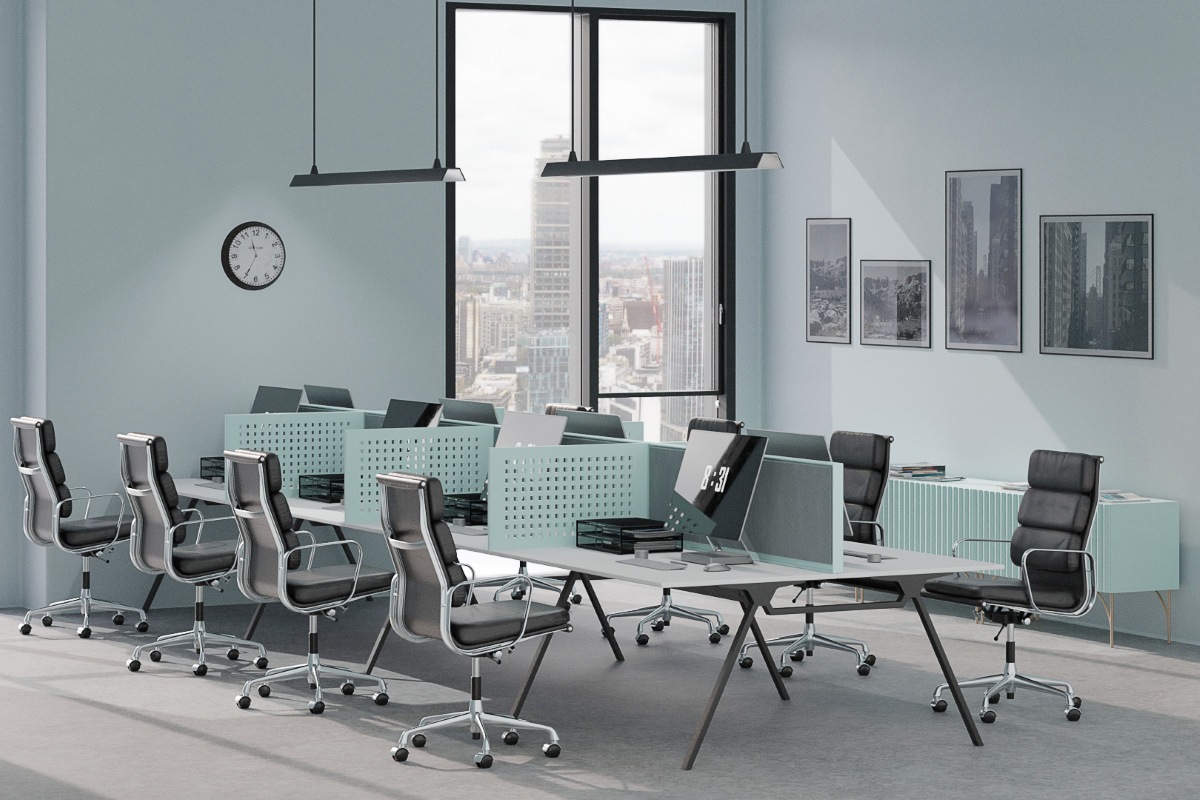
New Year, New Desk Layout

Changing your office desk layout isn’t as crazy as it sounds. It gives colleagues a chance to build stronger working relationships and it provides an opportunity to address or improve broken workflows and change communication dynamics within the team.

It also doesn’t have to be costly – simply, considered.

Embrace back-to-back desks

Back-to-back desks involve workstations facing each other and a further workstation space at the end of a bank of desks. This has the huge advantage that workstations are close together to support team collaboration, but desk dividers and desk screens can provide privacy or sound dampening where needed. With this configuration, the space that would otherwise be used for walkways between standalone desks can provide a further couple of workstation spaces.

Key numbers to remember

  • In a small office keep aisle widths at 750mm.
  • In a medium office keep aisle widths to 900mm and
  • In a large office maintain widths of 1,500mm for walkways.

Four-person Island layouts

For more workspace for each workstation, consider a four-person workspace – this allows all the benefits of easy communication, and requires fewer walkways but, with each employee facing away from each other, reduces the sound carry. However, you will need a wider walkway, because with this style of desk, the desk space projects deeper into the room space.

For square rooms, consider a four-person workspace layout where corner desks are arranged in a plus-shaped layout, with one person in each internal 90-degree angle. This makes for a shorter work bench overall, but a deeper one.

Tips for planning your office desk layout

  • Create a scale plan to establish the most efficient way to position your desks without losing too much space to access aisles.
  • Consider an aisle down one wall, and one down the opposite wall with a face-to-face bank of desks down the middle. This configuration allows you to optimise the use of your two compulsory aisles and is particularly efficient with space in small or long, thin offices.
  • Consider access to power points, critical for PCs and laptops. If your employees and workstations don’t have easy access to power, consider retro-fitting desk grommets or pop-up power sockets to ensure each employee has the power they need to work effectively.
  • Think about cable management. If you’re running cables along a bank of desks, plan your cable management using cable trays and cable snakes to keep both your your employees and your cables safe. For more tips on how to manage your cables effectively, visit our blog on our Kuba cable management system.

You can find the full specifications for our desks and cable management systems on the product pages of our website, but if you do have any remaining questions, you can chat with our friendly and trained advisors online through our website.