BPF Online Blog

FREE UK carriage on orders over £250 nett      No minimum order value      Trade discounts       Order FREE samples online       Last cut off for overnight: 3pm

A Complete Guide to Workplace Hygiene Screens

Workplace hygiene screens provide a practical way to create physical separation between people in offices, reception areas, retail environments, service...
Read More

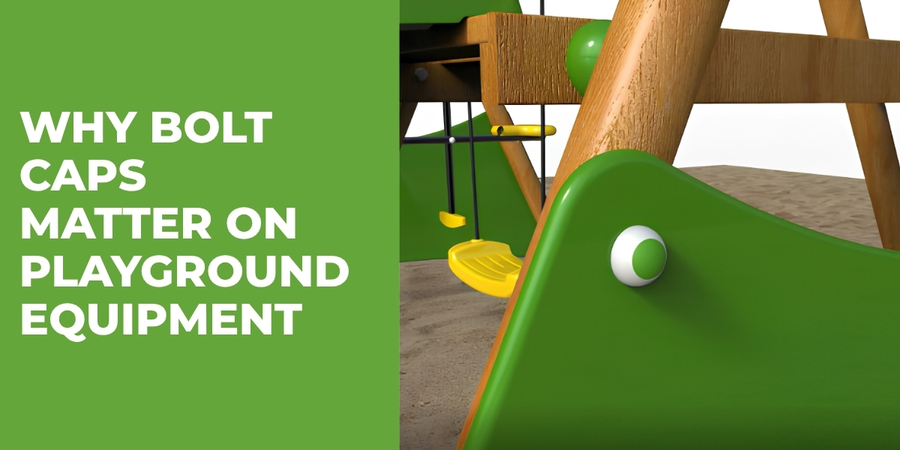
Why Bolt Caps Matter on Playground Equipment

When manufacturers and installers build playground equipment, they need to consider every component, right down to the smallest fixing. Bolts,...
Read More
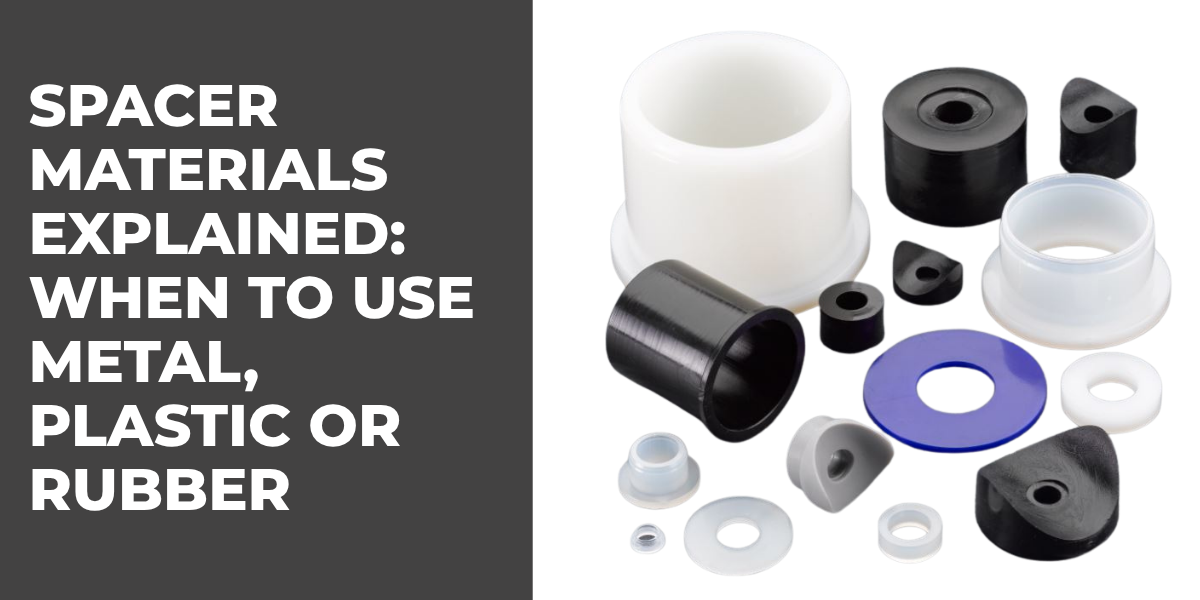
Spacer Materials Explained: When to Use Metal, Plastic or Rubber Spacers

Spacers may look like simple components, but the material you choose can greatly affect how an assembly performs. A spacer...
Read More
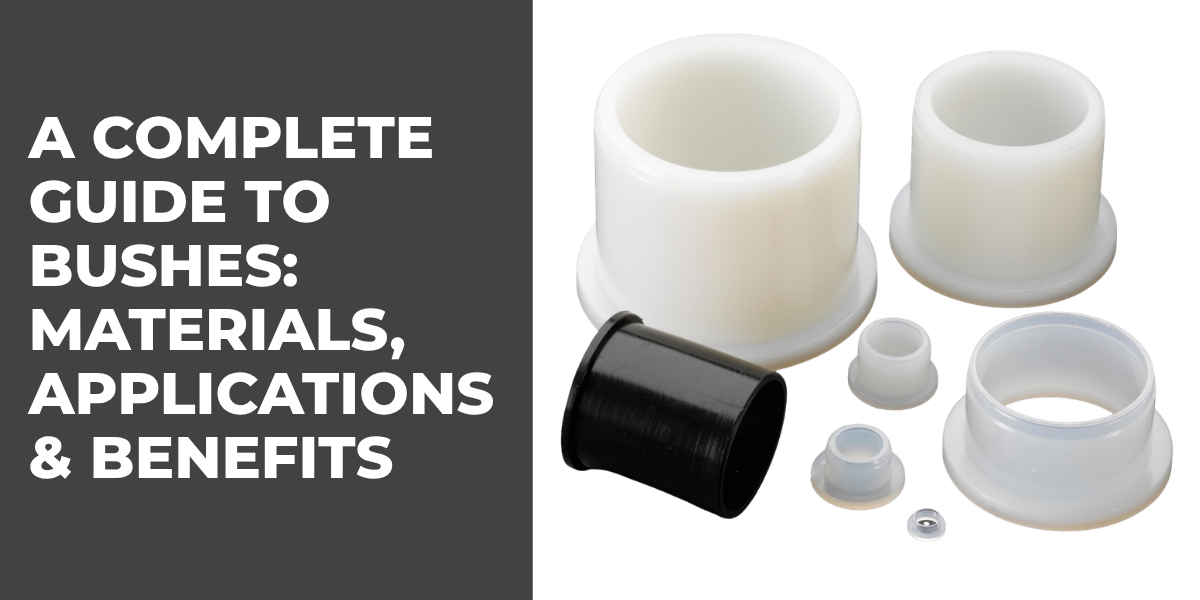
A Complete Guide to Bushes: Materials, Applications & Benefits

Bushes play an important role in mechanical assemblies, helping manufacturers manage movement, reduce friction, protect components and maintain accurate spacing....
Read More
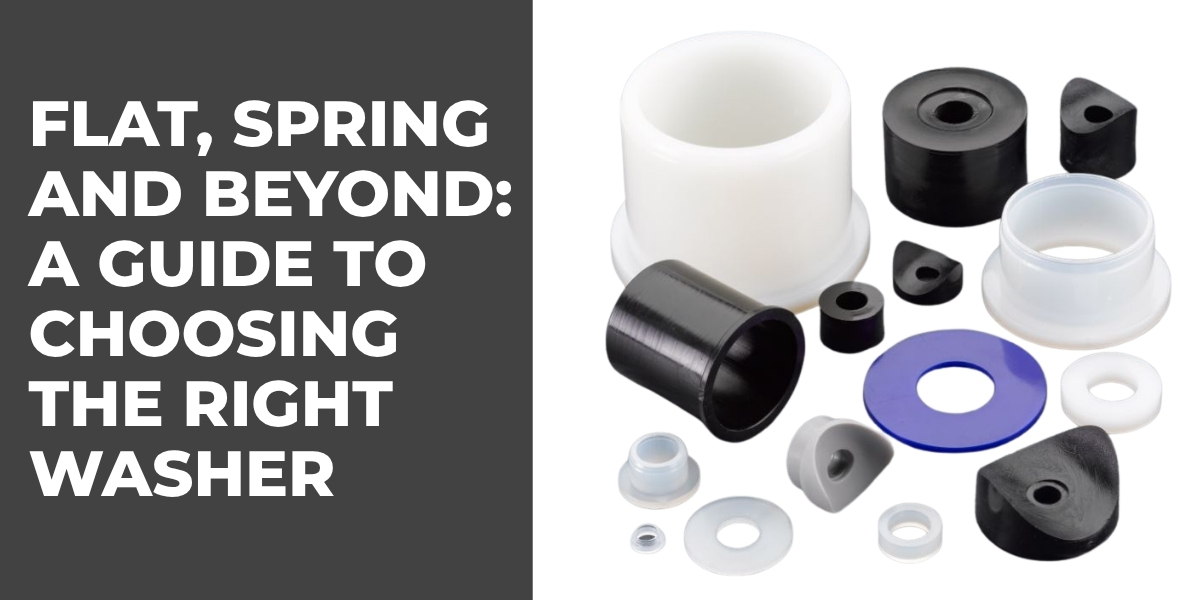
Flat, Spring and Beyond: A Guide to Choosing the Right Washer

Washers are small but essential components used in countless mechanical and industrial assemblies. While a standard flat washer may look...
Read More
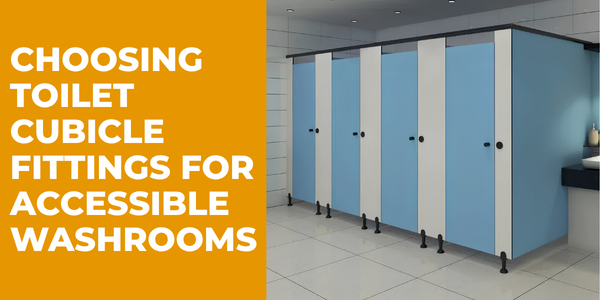
The Importance of Accessibility-Compliant Cubicle Hardware

Choosing Toilet Cubicle Fittings for Accessible Commercial Washrooms Accessibility is an increasingly important consideration when designing commercial washrooms. For architects,...
Read More
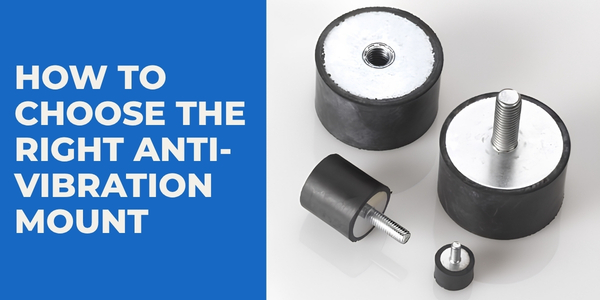
How to Choose the Right Anti-Vibration Mount

Choosing the right anti-vibration mount isn't simply a case of finding a mount that fits. The correct solution needs to...
Read More
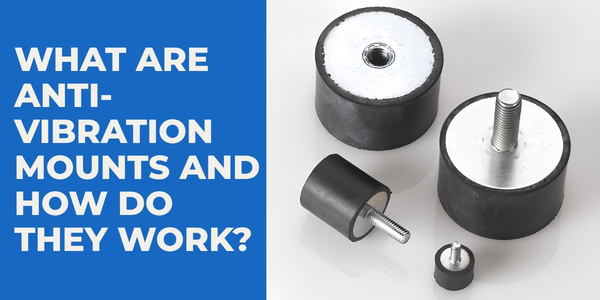
What Are Anti-Vibration Mounts and How Do They Work?

Vibration is an unavoidable part of many mechanical and industrial applications. Motors, pumps, compressors, generators and other machinery naturally move...
Read More
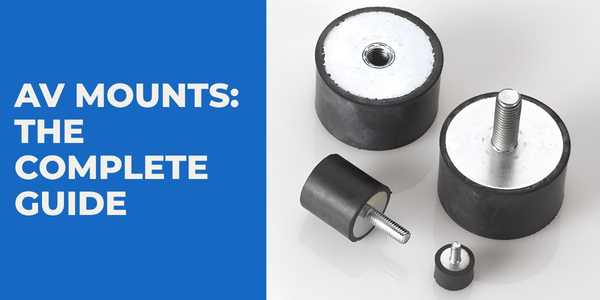
AV Mounts: The Complete Guide

Vibration can be an unavoidable part of operating machinery, equipment and mechanical systems. While some movement is perfectly normal, excessive...
Read More
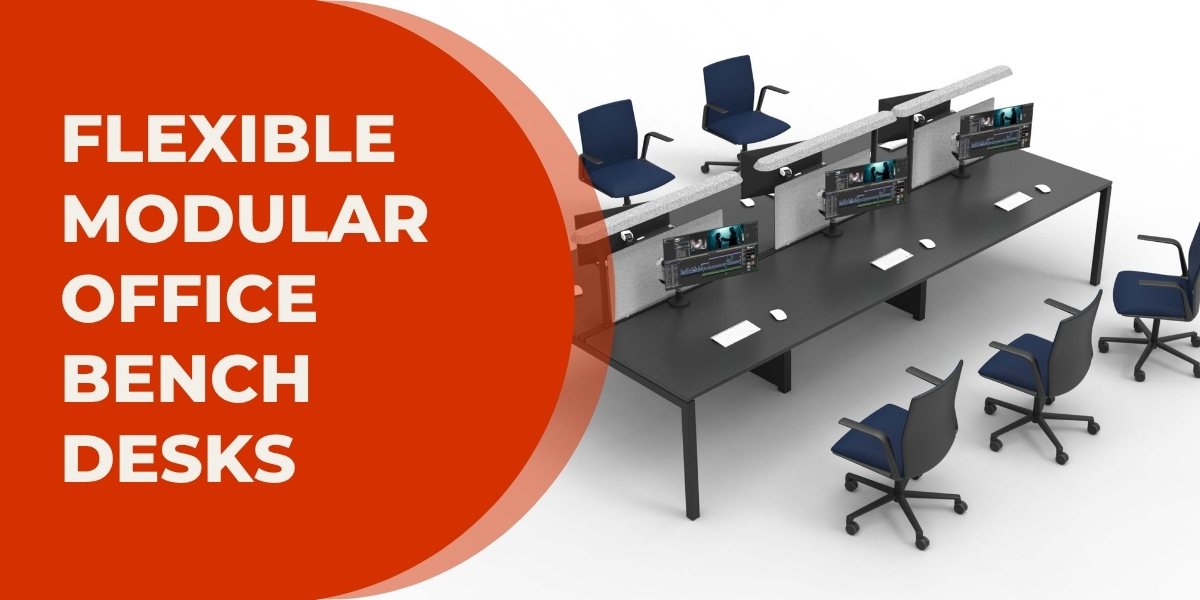
X3 Bench Desk: Flexible Modular Office Desks for Every Workspace

A bench desk is one of the most efficient ways to maximise office space while creating a collaborative working environment....
Read More

Your Guide to Plastics for Custom Injection Moulding – Part 2

In part 1 of ‘Your Guide to Plastics for Custom Injection Moulding’ we looked at the qualities and uses of the 5 most popular types of plastic resin used for custom moulding. Acrylic, Acrylonitrile butadiene styrene, Nylon, Polycarbonate and Polyoxymethylene make up some of the most popular plastics in use for injection moulding. In this blog, we look at the other 5 key injection moulding plastics that sit within the ten most popular resins for custom moulding.

Of course, if you need any further advice or information about any of our products or services, you can contact our customer services team through the chat feature on our website.

Polyethylene (PE)

Polyethylene – the most commonly used plastic in the world comes in different densities: high-density polyethylene (HDPE) and low-density polyethylene (LDPE) and each has different properties when it comes to hardness, flexibility, melting point and even optical transparency.  HDPE is more opaque than LDPE but LDPE is softer and more flexible than LDPE.

Properties of PE:

  • Polyethylene has low UV tolerance and therefore is better suited to internal uses a
  • Cannot withstand high temperatures

Uses of PE:

  • Housewares
  • Toys
  • Food containers
  • Car parts

Polypropylene (PP)

Polypropylene is the most common plastic in the world. Its popularity is largely due to its robust chemical resistance and ability to retain its shape even under duress or upon torsion

Properties of PP:

  • Recyclable
  • Degrades with UV light
  • Extremely flammable
  • At high temperatures can turn into harmful aromatic hydrocarbons
  • Difficult to bond and paint

Uses of PP:

  • Plastic packaging
  • Textiles
  • Parts for machinery and equipment
  • Car battery cases.

Polystyrene (PS)

Lightweight, comparatively inexpensive and resistant to moisture and bacterial growth, there are two types of polystyrene: General Purpose Polystyrene (GPPS) and High Impact Polystyrene (HIPS).

GPPS is more brittle than HIPS and has a glass-like transparency whereas HIPS is opaque.

Properties of PS:

  • Polystyrene provides good chemical resistance
  • Flammable
  • Susceptible to UV degradation
  • Resistant to gamma radiation.

Uses of PS:

  • Medical, optical, electrical and electronic applications
  • HIPS is used with appliances and equipment
  • GPPS is used in plastic toys, cases and containers.

Thermoplastic Elastomer (TPE)

Thermoplastic Elastomer is processed like plastic but offers the properties of rubber. Sometimes referred to as thermoplastic rubber, TPE can be stretched to moderate elongations and still return to its original shape. TPE can also be recycled infinitely.

Properties of TPE:

  • Recyclable
  • Less expansive than silicon rubber
  • Susceptible to creep
  • Can lose its rubbery properties at higher temperatures

Uses of TPE:

  • Footwear
  • Medical devices
  • Auto parts
  • Pet products.

Thermoplastic Polyurethane (TPU)

Thermoplastic Polyurethane has a rubber-like elasticity and good load-bearing capabilities. It can withstand exposure to ozone too, with a superior resistance to extreme temperatures and chemicals.

Properties of TPU:

  • May be hard for injection moulding of parts
  • Can be costly
  • Resistant to extreme temperatures
  • Resistant to chemicals.

Uses of TPU:

  • Car instrument panels
  • Castors
  • Power tools
  • Sporting equipment
  • Medical devices
  • Fire hoses

About BPF Online, formerly Banbury Plastics Fittings Ltd

When we first established Banbury Plastic Fittings Ltd we planned to use the latest injection moulds to create unique and innovative component solutions in plastic through custom moulding for our clients.

Our tools are run on the latest automated injection moulding machines for greater precision and faster, more cost-effective product runs, and we ensure speedier turnaround than many of our competitors by running our machines 24 hours a day.

And, because we run a customer-centric business, we specify all types of thermoplastics ranging from sophisticated engineering polymers to basic commodity polymers in a wide range of colours so we can deliver the right type of fittings to meet your needs so you can be confident in your products.

Find out how we can help you with your injection moulding requirements

For specific questions about any of our custom plastic mouldings or simply to find out how we can help you with our custom injection moulding contact our advisors on our online chat.